



A Graceful Exit: Retiring Your Horse at the Right Time
Our horses don’t owe us anything — retiring them with love and before we are forced to do so is the truest way to honor all they’ve given.
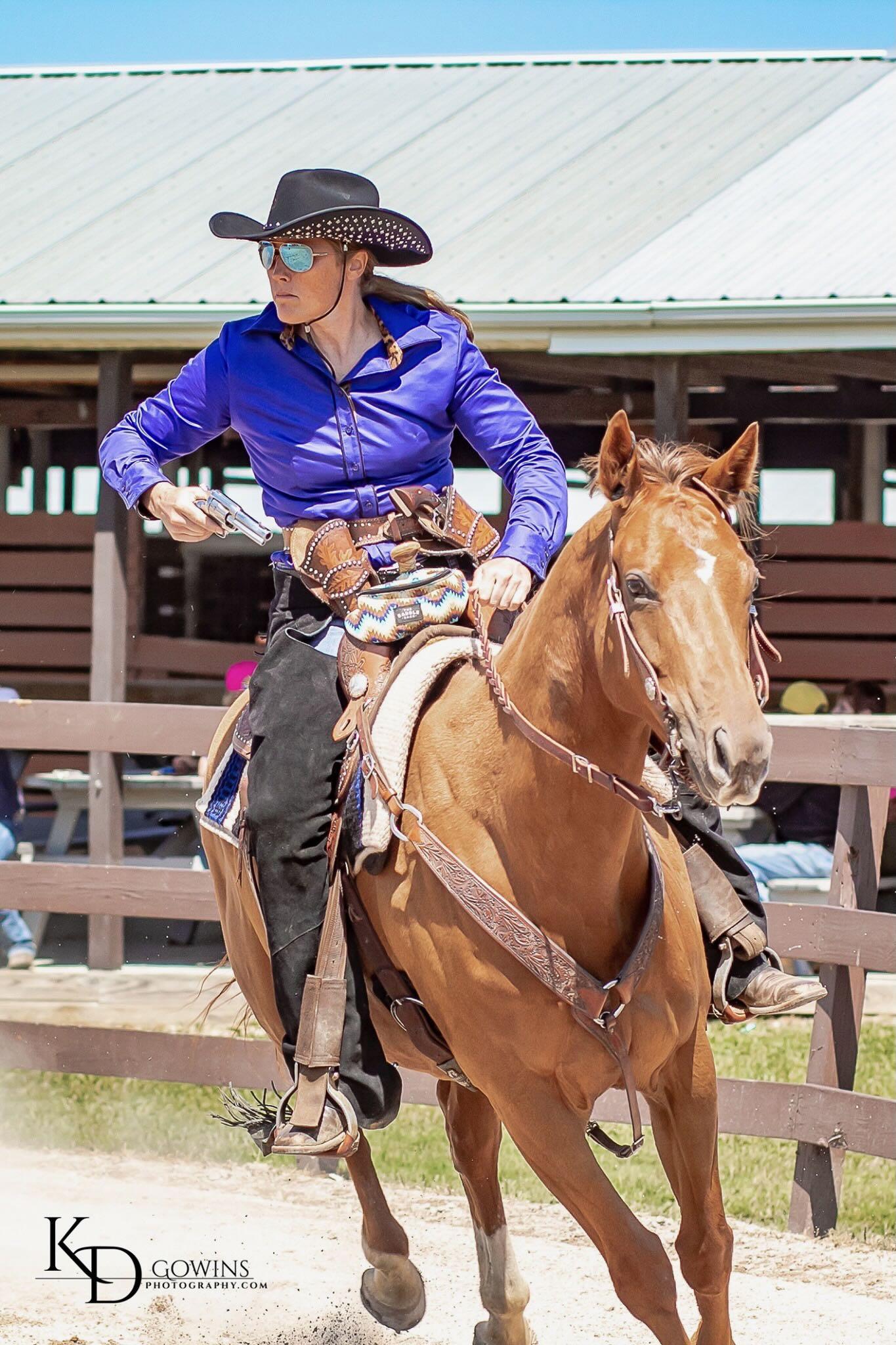
Mac and I at our first shoot together. Photo by KD Gowins.
I knew from the moment I started running Mac (JC: Rightful Goddess) that I would be lucky if I were still running her into her teens. (To be fair, we’re all lucky for every ride we get, but that’s an article for another time.) She came to me as a three-year-old who didn’t manage to make a career on the track. With one disappointing start, her connections responsibly rehomed her to a polo home, where it turns out she was going to be too tall for that career (and finishing out at 16 hands, they weren’t wrong). Although that’s a youth hunter prospect in the English world, in the Western world she’s considered huge.
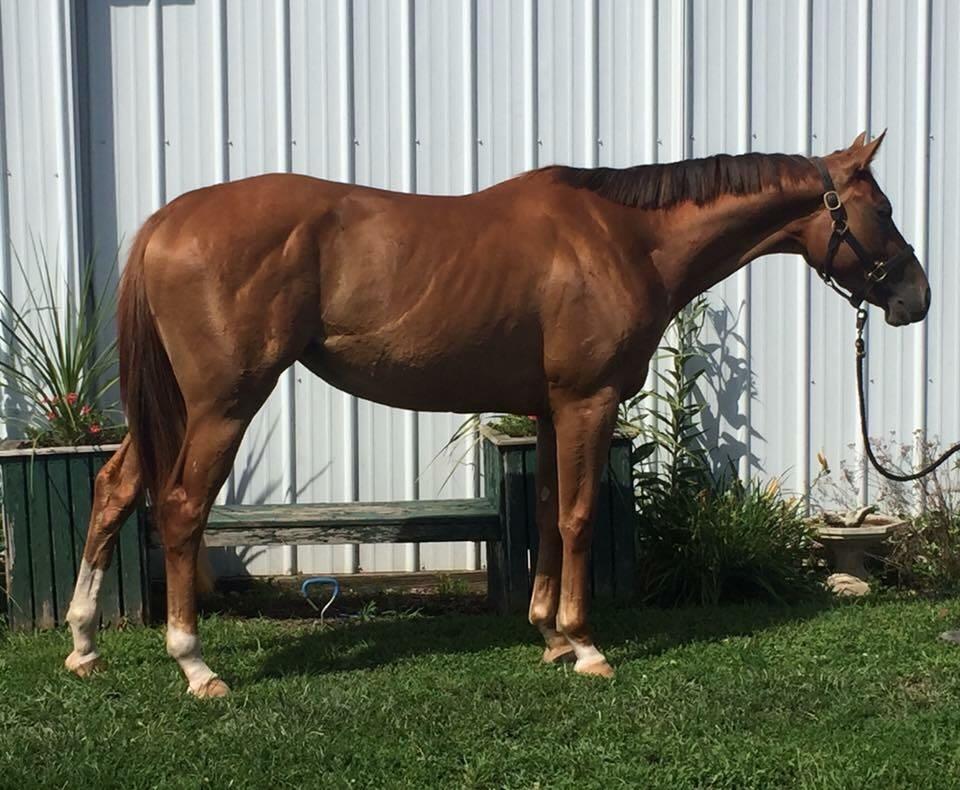
Mac’s Facebook sale photo from 2017.
She has a balanced build and is well put together, her hip is a bit small for the job I’ve asked her to do for the last eight years. We have to work harder than more purpose-bred horses to get her to engage her hind end through the turns. She can do it, but I have to make sure I help her as much as possible. Combine that with some chronic issues that are the result of being a performance horse from a young age (some arthritis in the front left, weakness up high in the left hind that we could never quite pinpoint without a full body scan, etc.), and here we are…
Maintaining her soundness has been a battle from the start. Fitness and maintenance have been our friends. Despite all of that, Mac loves her job — and she’s good at it. She was never going to be competitive at the upper levels at a national level, but the speed is there for most of the places I run, and she has the heart. She’s a gritty, all-business mare. My favorite kind.
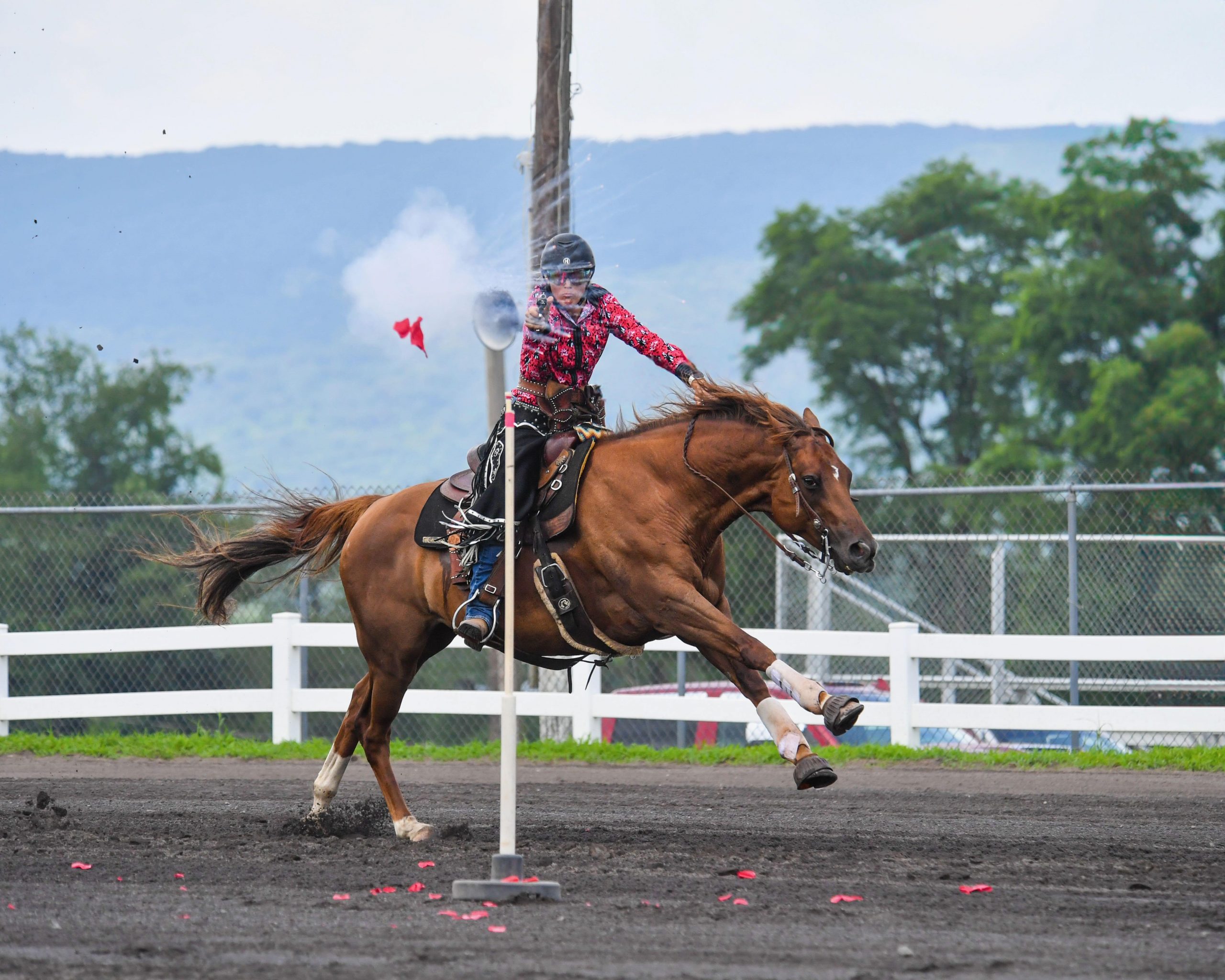
At the 10th Annual Dave Billotte Memorial Shoot earlier this year. Mac is all grit. Photo by Genvieve Burnett Photography.
But I knew that her career as a mounted shooting horse wouldn’t be long. And at 11 years old, she’s telling me that our time running and gunning together is nearing an end.
There comes a point in every competitive rider’s journey when the calendar, the vet records, and the horse’s body all start whispering the same truth: it’s time to retire. Not because of one catastrophic injury, not because the horse suddenly can’t go on, but because you care enough to step back before it comes to that. And making that choice — voluntarily, preemptively, and with love — is one of the hardest things an equestrian will ever do.
The Weight of “What Ifs”
Every rider carries goals — whether it’s a championship buckle, a level milestone, or just proving to yourself that you could get there with your horse. When the time comes to retire, it’s tempting to let those unfinished goals cloud your judgment. “What if I could squeeze in one more season?” “What if the next show is the one?”
The truth is, the horse doesn’t know those goals exist. They don’t care about titles or points. They live in the now. They care about how their joints feel walking to the arena, how their back feels when you swing into the saddle, how they breathe after a run. The “what could have been” is ours, not theirs.
Choosing Compassion Over Ambition
It’s far easier to retire a horse because you have to — because an injury, lameness, or diagnosis leaves no other option. Choosing to retire one when they’re still “sound enough” or “maybe could go another year” takes more strength. It means listening closely, acknowledging the small signs — slower recovery, stiffness after work, a shift in attitude — that whisper louder with time.
Retiring before catastrophe isn’t giving up. It’s the opposite. It’s honoring everything your horse has already given you, even if you didn’t reach every dream you had in mind. It’s saying: You don’t owe me more. You’ve already given me everything.
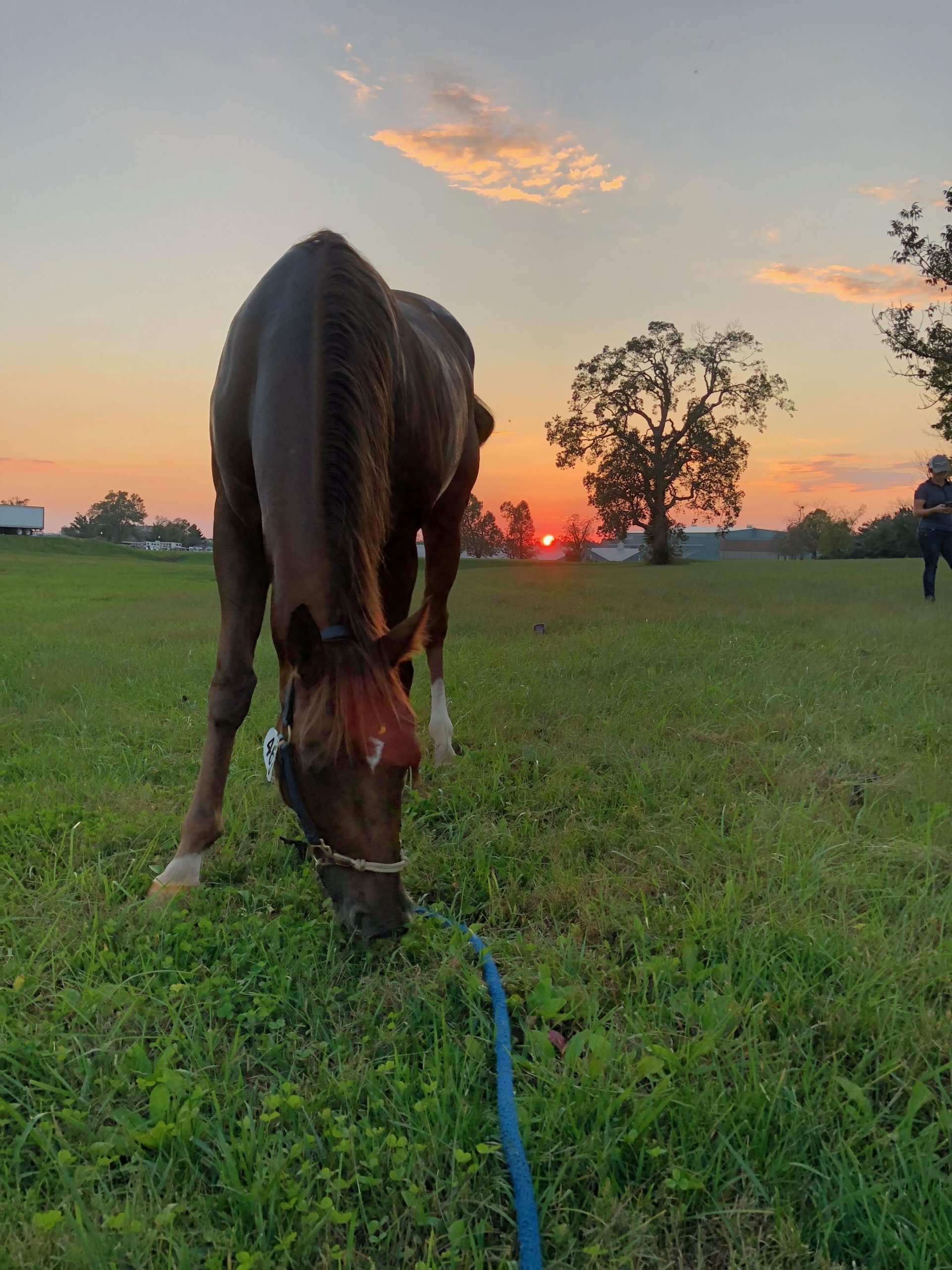
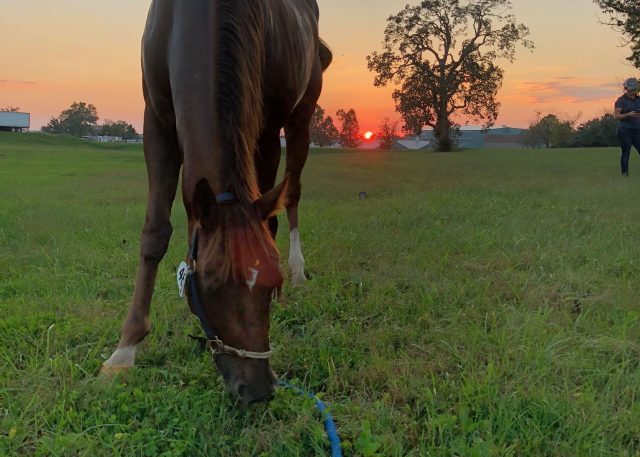
My favorite snapshot, taken while hand grazing at the Kentucky Horse Park during the Retired Racehorse Project Thoroughbred Makeover in 2018. We competed in Ranch Riding and Competitive Trail. This photo has been the wallpaper on my phone ever since. Photo by DeAnn Long Sloan.
Letting Go of the Finish Line
The hardest part of this decision is that it’s rarely clean. Goals remain unchecked, rivalries unfinished, dreams half-built. But horses don’t measure life in those terms. They don’t ask if we won the big buckle or moved up a division. They ask, in their own quiet way: Do I feel good today? Do I feel safe?
By retiring a horse before a forced exit, you’re giving them the gift of comfort, dignity, and the chance to enjoy the life they’ve earned — whether that’s trail rides, pasture time, or simply being a horse. And you’re giving yourself the chance to look back and know you did right by them.
The Now Is Enough
We live for the goals, the what-ifs, the next show. Horses live for the now. When we make the choice to retire them before they’re broken down or hurting, we’re choosing to meet them where they are — in the present moment. And in that moment, they’re not tallying wins or losses. Maybe they’re still carrying us on trails or toting our kids around in walk-trot or on leadline classes. Or maybe they’re just breathing, grazing, enjoying a scratch on the withers, existing in peace.
It’s been both incredibly difficult and incredibly heartwarming to watch my friends make similar decisions to the one I am currently coming to terms with when it comes to Mac. I am fortunate to be surrounded by people who put their horses first by choosing to retire them from competition before something catastrophic happens. But it’s hard. It means letting go of so many things — of a partnership, of goals, maybe even of competing for the foreseeable future. And I am so proud of my friends — for choosing the hard decision and putting the horse first.
That’s the real finish line: knowing we loved them enough to put their needs before our ambitions. Because at the end of the day, our horses don’t owe us anything. But we owe them everything.
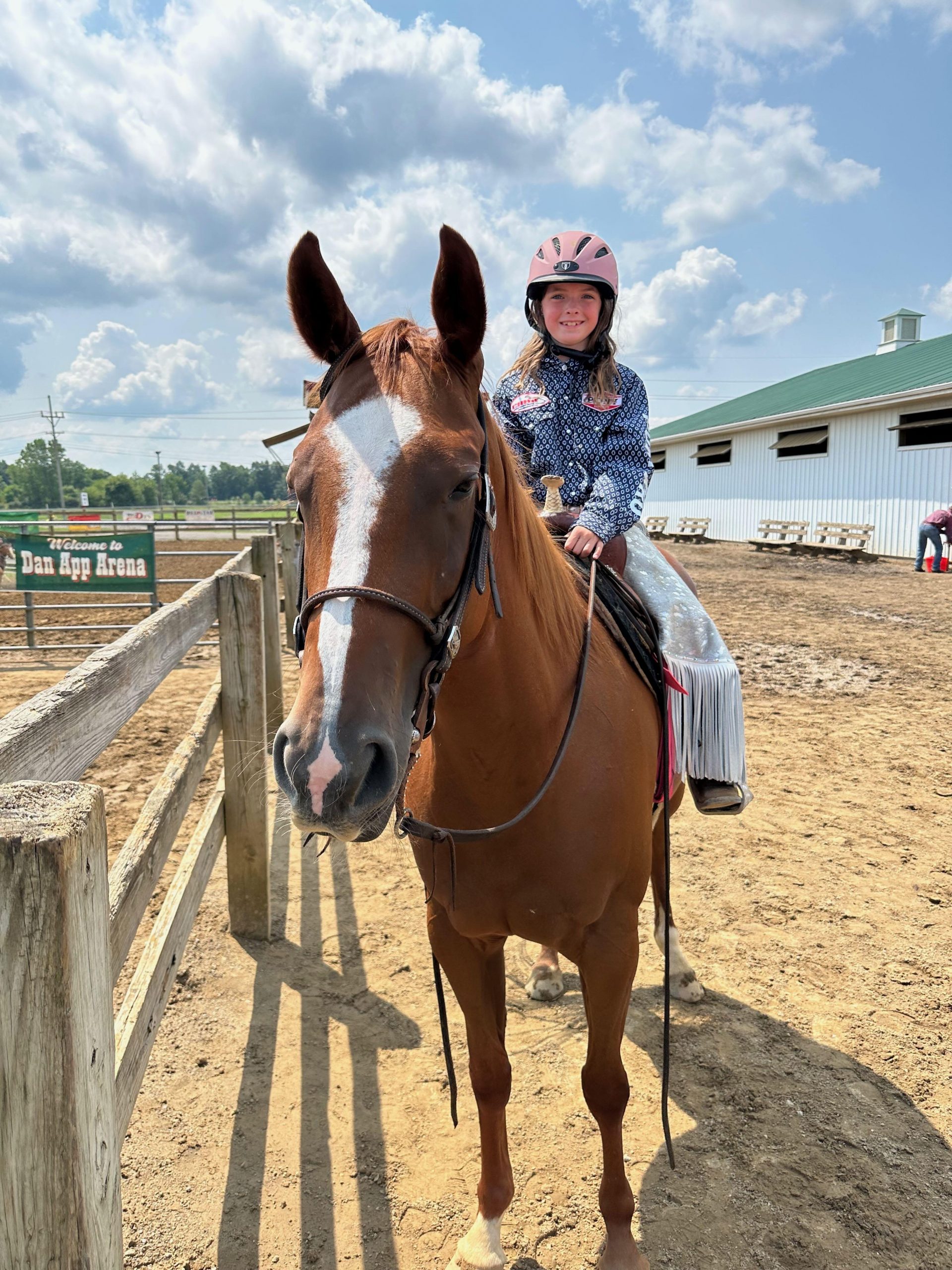
The next generation… Arden on Jo, my up-and-coming shooting horse. Photo by DeAnn Long Sloan.
And while it’s heartbreaking to close the competitive chapter with one horse, it’s also bittersweet — because retirement for one often means it’s time to bring along the next generation of horses. The lessons, patience, and wisdom our seasoned partners gave us will guide us as you shape the future with a younger horse. It’s a reminder that every ending is also a beginning, and that hope, growth, and new adventures wait just beyond the barn door.
