



Mythbuster Monday: Horses See in Black and White
On Mythbuster Monday, we tackle a variety of equestrian myths to either bust or confirm. Today’s discussion: Do horses only see in black and white?
It’s Mythbuster Monday, where Horse Nation dives into different equestrian myths and provides research-based evidence to either bust or confirm those myths. Today’s topic: Do horses only see in black and white? Do they see any other color? What does their range of color look like? Read on to find out!
Myth: Horses only see in black and white
Myth or Fact: Myth
Canva/CC
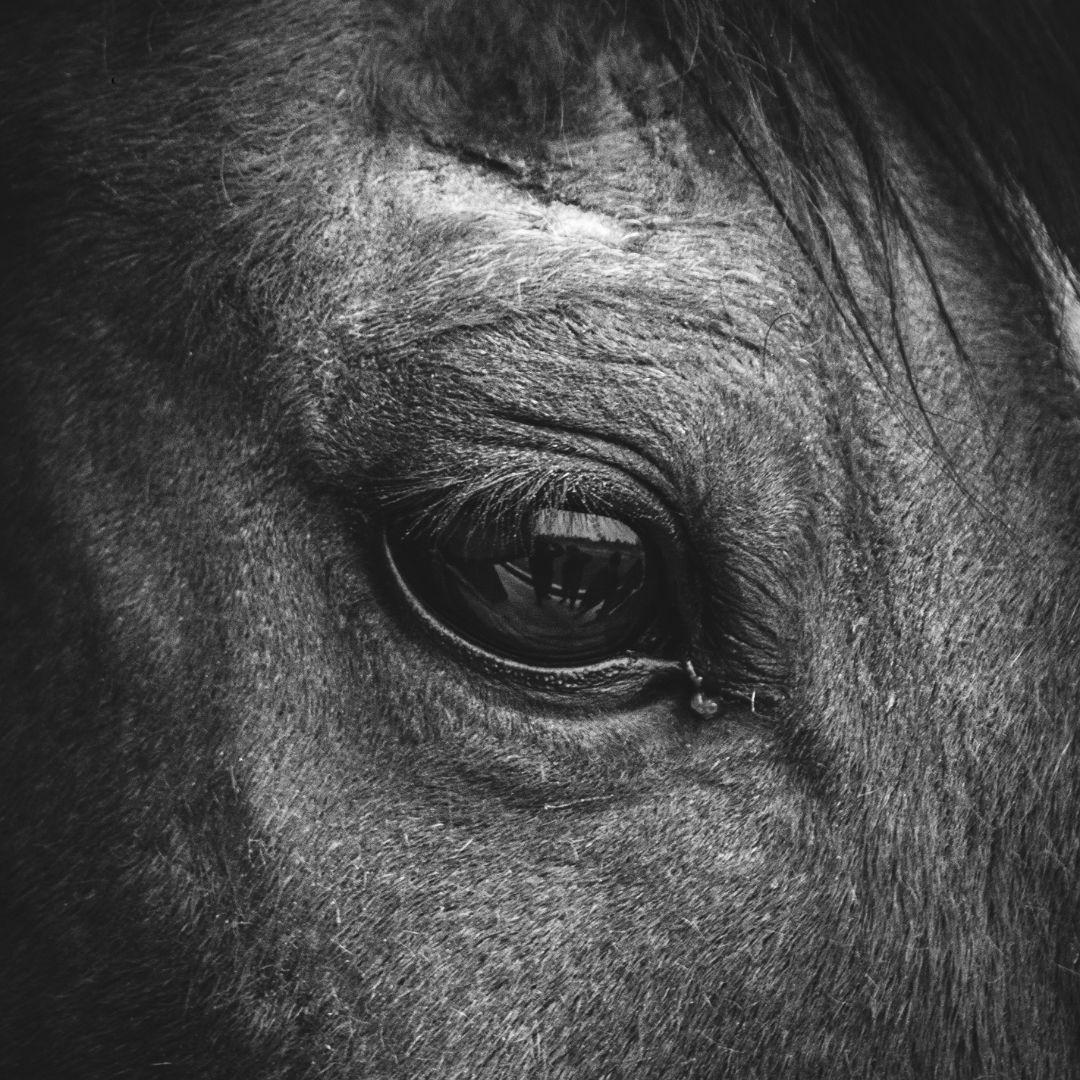
Horses have some of the largest eyes of any land mammal, each about the size of a golf ball, which gives them exceptional visual capacity. Their eyes are set wide apart on the sides of their head, a placement that provides them with an extensive field of vision, almost 350 degrees around their body. This wide-angle view allows them to detect motion and potential predators from nearly every direction, though it also creates blind spots directly in front of their nose and directly behind them. Their large, laterally placed eyes are a key adaptation for survival as prey animals, helping them stay alert to their surroundings. But do horses only see in black and white?
Canva/CC
The article Photopigment Basis for Dichromatic Color Vision in the Horse examined how horses perceive color by studying their cone photoreceptors through electroretinogram flicker photometry. The researchers discovered that horses possess two types of cones: one sensitive to short wavelengths (around 428 nm) and another to middle/long wavelengths (around 539 nm). This establishes that horses have dichromatic color vision, meaning they can see certain colors, but not with the full spectrum available to humans, who rely on three types of cones. The study concludes that while horses do perceive color, their visual world is different from ours, effectively debunking the idea that they see only in black and white.
Canva/CC
The article The Absolute Threshold of Colour Vision in the Horse explored how well horses can distinguish colors under different lighting conditions through behavioral experiments. The findings confirmed that horses are dichromatic under normal daylight, meaning they can perceive certain colors using two types of cone cells. However, the study also showed that in dim light, their ability to recognize color fades because rod cells, which are more sensitive in low light but do not detect color, take over. This demonstrates that while horses do see color, their perception depends heavily on the lighting environment, further disproving the myth that they see only in black and white.
Canva/CC
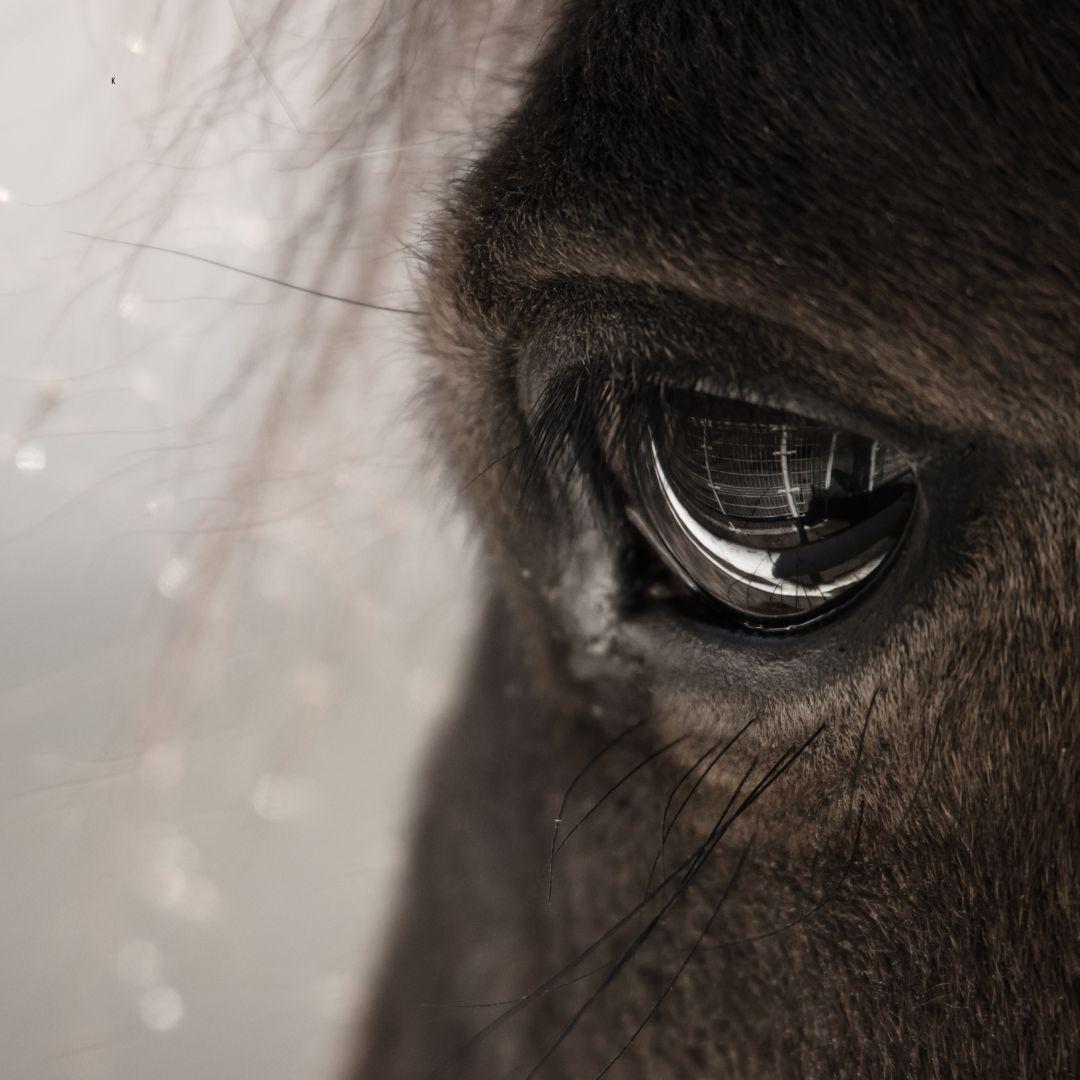
Science Direct published an article, An Investigation of Colour Discrimination with Horses (Equus caballus), that examined whether horses are able to distinguish colors from neutral shades. In this study, horses were presented with choice experiments where they were trained to select a colored stimulus, such as blue, green, red, or yellow, over a gray, neutral option. The horses consistently showed the ability to discriminate the colored choices from gray, demonstrating that they do not perceive the world in simple black and white. Instead, these results confirm that horses possess functional color vision, allowing them to recognize certain hues in their environment. This research provides further evidence against the long-held myth that horses are monochromatic and reinforces the understanding that their vision, while different from humans, still includes the perception of color.
Canva/CC
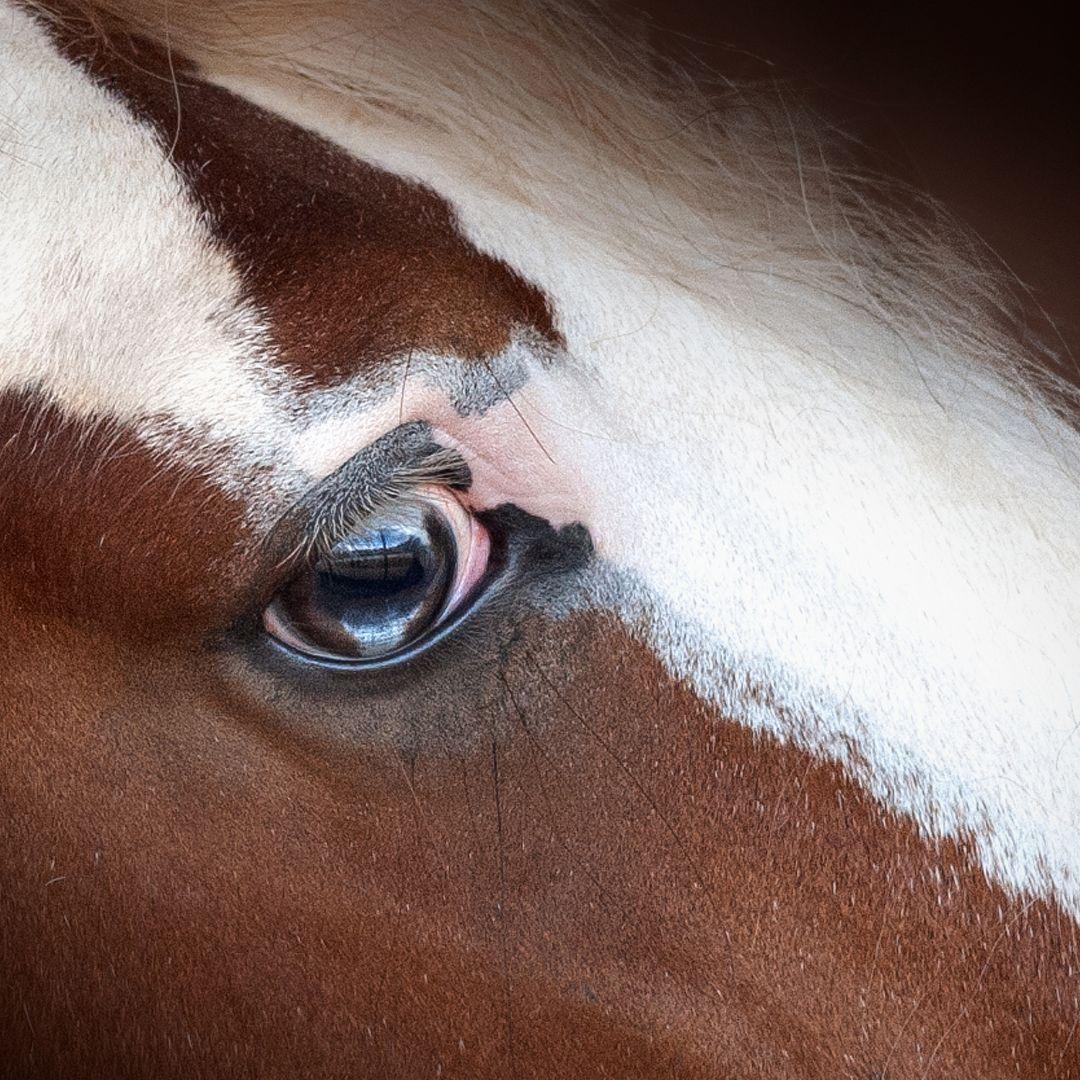
Horse Vision and Obstacle Visibility in Horseracing investigated how different fence and marker colors appear from the perspective of a horse’s vision. Using models of equine visual perception, the study found that orange, commonly used for jump markers, actually offers poor visibility and blends into many natural surroundings. In contrast, colors such as yellow, blue, and white provide much stronger contrast and stand out more clearly to horses. The research also showed that the color of fences influences how horses approach and jump, affecting their takeoff angle and distance. These findings highlight the importance of considering how horses actually see obstacles, rather than relying on human assumptions, and further prove that horses do not see the world only in black and white.
Canva/CC
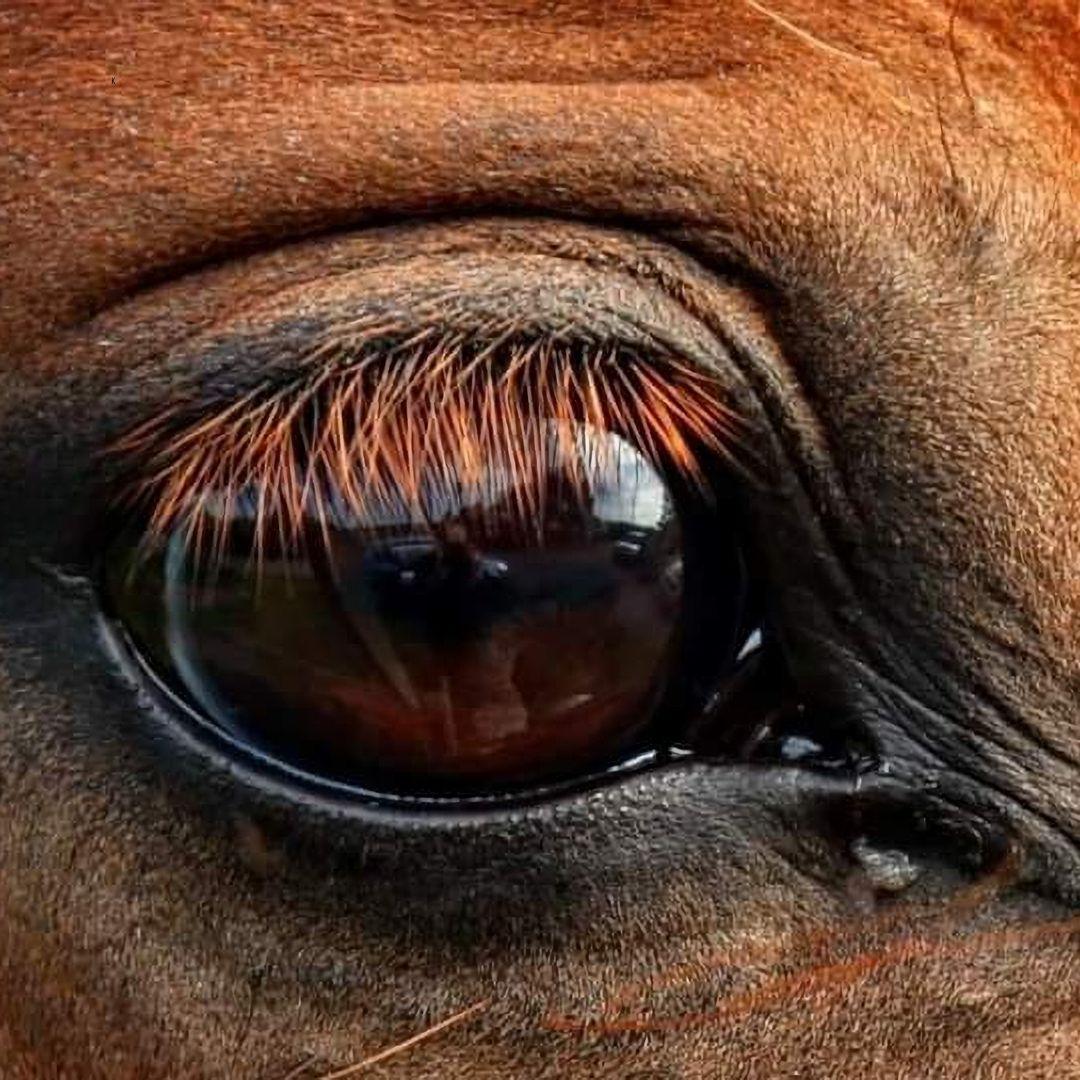
The Veterinary Journal published an article, Correlation between Dichromatic Colour Vision and Jumping Performance in Horses, exploring whether the way horses see color influences their ability in jumping sports. The research confirmed that horses have dichromatic vision, which is similar to red-green color deficiency in humans, meaning their perception of certain hues is limited compared to ours. While the study acknowledged this difference in vision, it found that the direct impact of color perception on jumping performance is not clearly defined. Although horses do not see the full color spectrum, it remains uncertain how much this limitation actually affects their athletic performance in jumping events.
Canva/CC
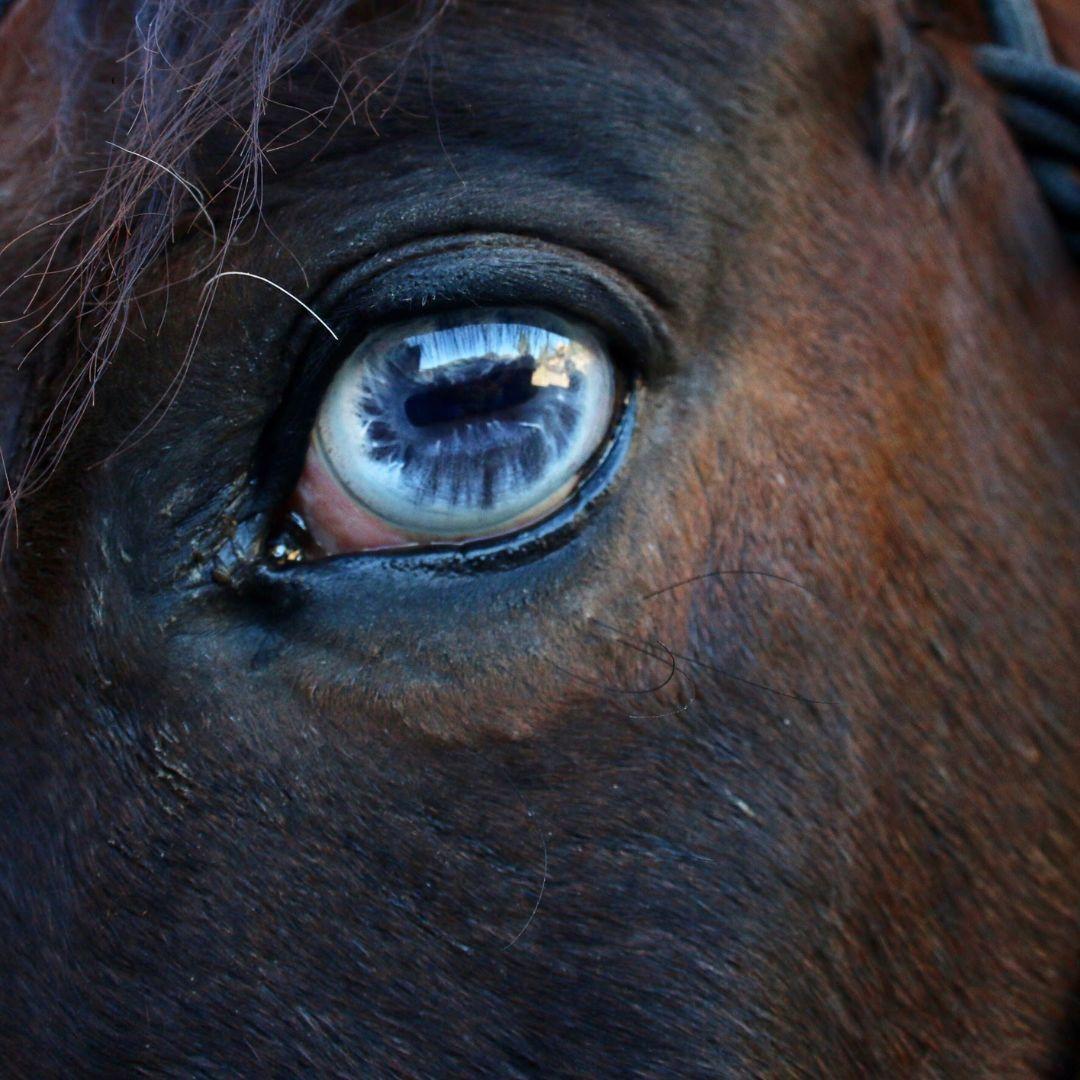
Research makes it clear that horses do not see the world in black and white, as the myth suggests. Instead, they have dichromatic vision, meaning they rely on two types of cone cells that allow them to perceive some colors, particularly in the blue and yellow ranges. Studies have shown that horses can successfully distinguish colored objects from neutral ones, that their color perception changes under different lighting conditions, and that the visibility of obstacles in disciplines like racing and jumping is influenced by the colors used. While their vision is not as rich as human trichromatic vision, the evidence consistently proves that horses do see color, and their perception of the world is far more complex than shades of gray.
Do you have an equine myth you’d like us to tackle? If so, send it our way! Email your suggestions to [email protected]. Put Mythbuster Monday in your subject line.
