



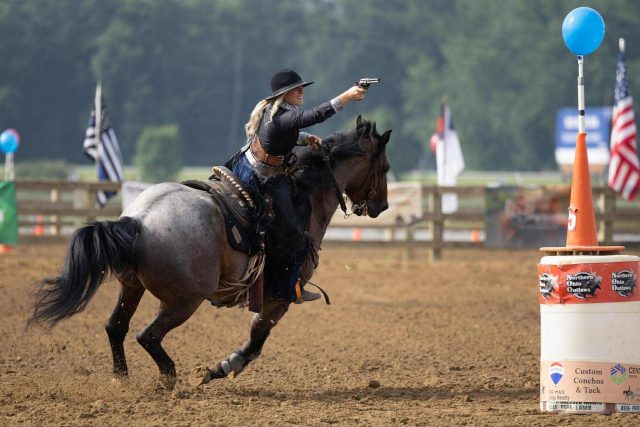
Improving Your Riding: Pushing the Threshold
“One of the biggest barriers many of us have when pushing our threshold is fear. Not fear of the horse, or fear of physical harm, but fear of being seen at our worst. Riders often hold back because they don’t want to look like they don’t know what they’re doing.”
Every rider wants to get better. Whether your goal is to ride a seamless reining pattern, ace a dressage test, or shave seconds off a mounted shooting run or barrel pattern, there comes a point where incremental progress alone isn’t enough. To improve, you have to push your threshold: the place where skill, confidence, and pressure collide. Unfortunately, that process often requires you to fall apart in front of people. It sounds harsh, maybe even humiliating, but pushing yourself and your horse to the point where the weaknesses show is necessary to grow.
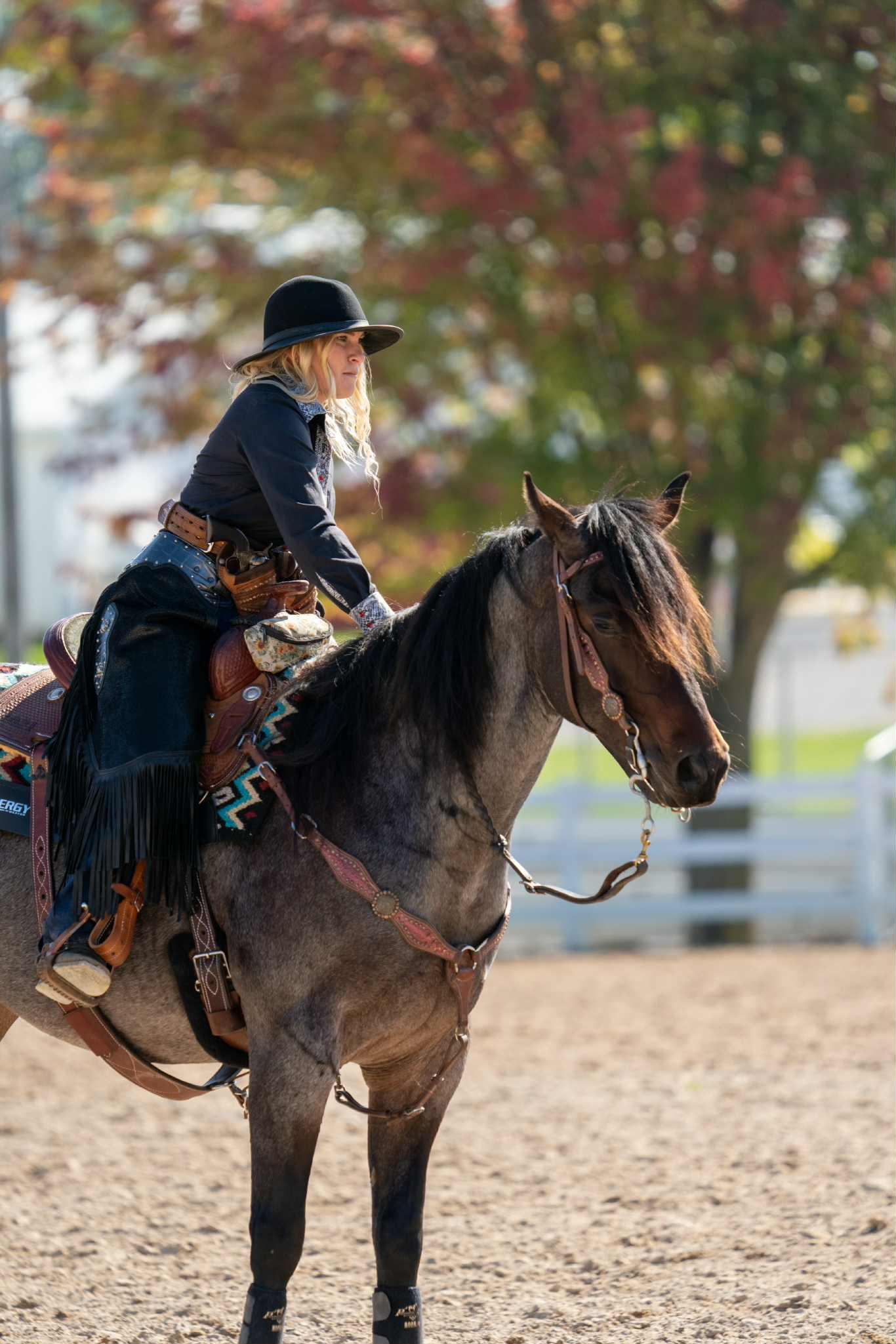
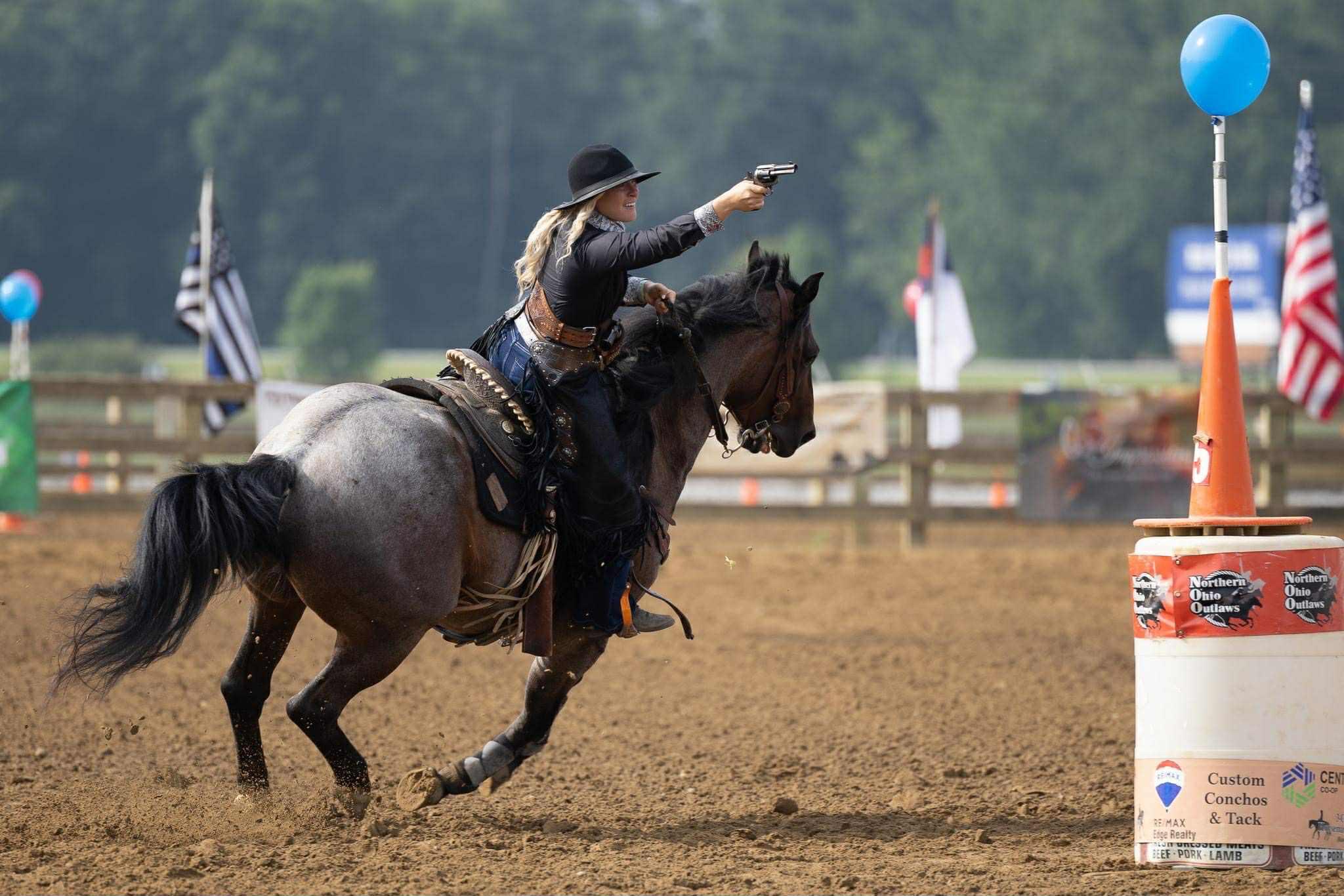
Photo by Matt Cline
When you ride within your comfort zone, you stay consistent, safe, and in control. That’s a good thing for maintaining your current level. But if you never test the edges of what you and your horse can handle, you’ll never uncover the gaps in your riding or training. It’s like lifting weights. If you only ever lift what feels easy, your muscles never grow. It’s the controlled, progressive stress that forces strength to build. Riding is no different.
When you push your threshold your weaknesses surface. Maybe your seat gets sloppy when speed increases. Maybe you panic when the horse resists. Your horse’s weaknesses also surface. This is input about where to focus your improvements. A hole in education might only appear when you add pressure. If you can’t rate at high speed, or cueing falls apart under tension, that’s useful information. When you push the threshold, your partnership is tested. How you and your horse recover in these moments reveals trust, communication, and resilience. You cannot fix what you cannot see. Breaking down isn’t a negative experience if you’re looking at it to improve.
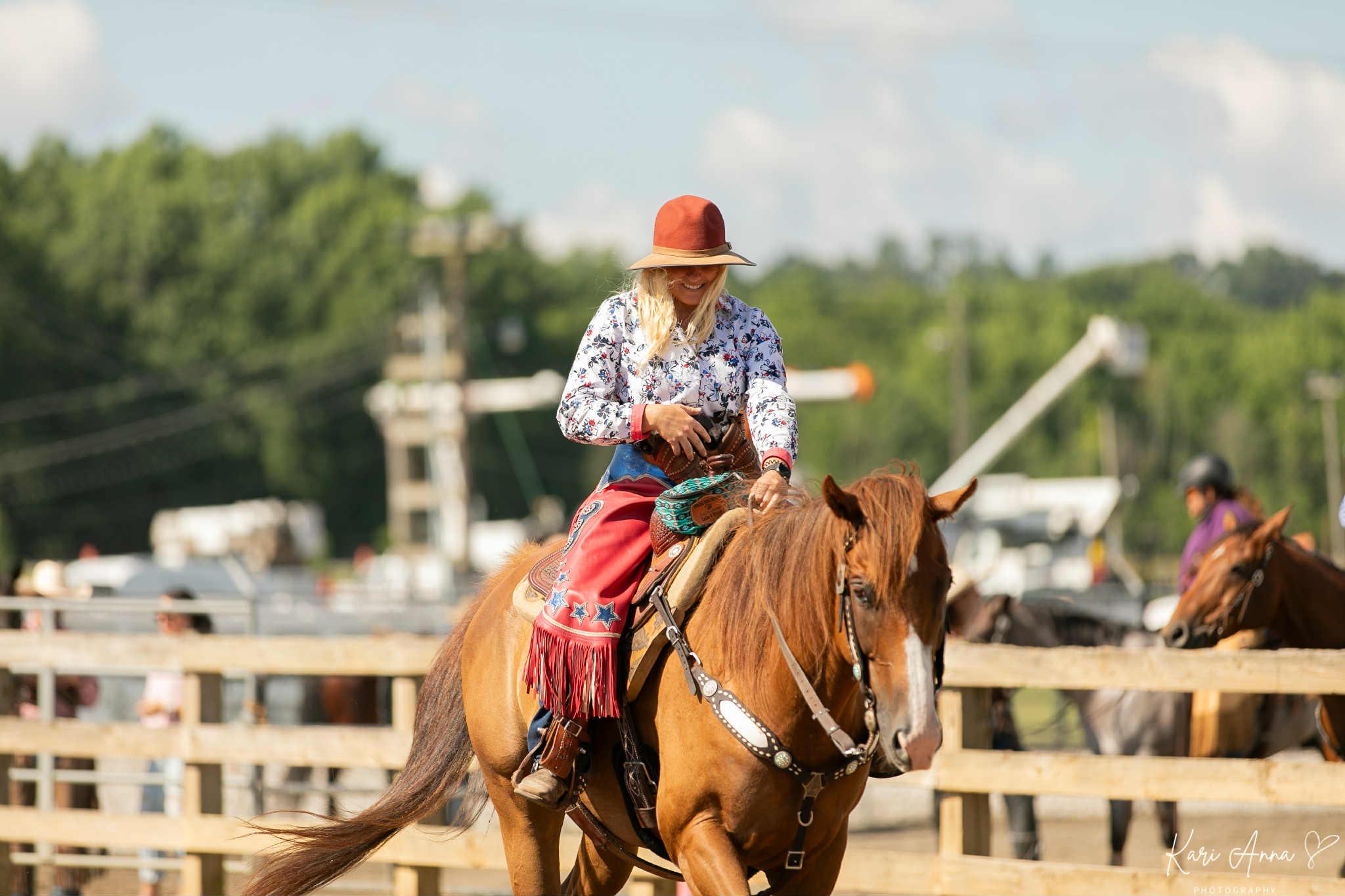
Photo by Kari Anna Photography
One of the biggest barriers many of us have when pushing our threshold is fear. Not fear of the horse, or fear of physical harm, but fear of being seen at our worst. Riders often hold back because they don’t want to look like they don’t know what they’re doing. However, every single great rider I’ve ever admired I can guarantee has had those moments. They’ve been unseated, red-faced, corrected in public, and told “try again.”
For me, the hardest part of the process is the embarrassment of it. No matter how much you rationalize it, embarrassment is inevitable when you’re falling apart in the competition pen. So how do I work through it?
I redefine embarrassment as exposure. You’re not being exposed as inadequate; you’re exposing the parts that need polish. I use A LOT of humor to diffuse the sting. A missed turn or knocked barrel is not the end of the world. It’ll eventually be part of the story I’ll tell when I’ve mastered it. I keep a mental list of times I’ve messed up and try to grow from it. These will become reminders that embarrassment always leads to progress. Lastly, I surround myself with growth-minded people. When show culture values effort over image, the embarrassment fades because you know failure is respected as part of learning.
Over time, if you stick with the process, you’ll stop fearing the embarrassing moments. Maybe you’ll even start to welcome them, because you know they’re signs that you’re working at the right level. Shifting your mindset helps normalize failure. Instead of thinking it’s a mistake we need to see every mis-step as data. If your horse blows a turn, it doesn’t mean you’re terrible — it means you’ve discovered the gaps in your training and riding.
Detach ego from outcome. The goal of training isn’t to impress others, it’s to progress. Your breakdown moment today may be the reason you nail a pattern tomorrow. Honestly — and this was a hard one for me to grasp — nobody is watching as closely as you think. Most riders are too busy with their own struggles to judge yours. And the ones who do notice? They’ve been there themselves and can relate (or they really don’t matter anyways).
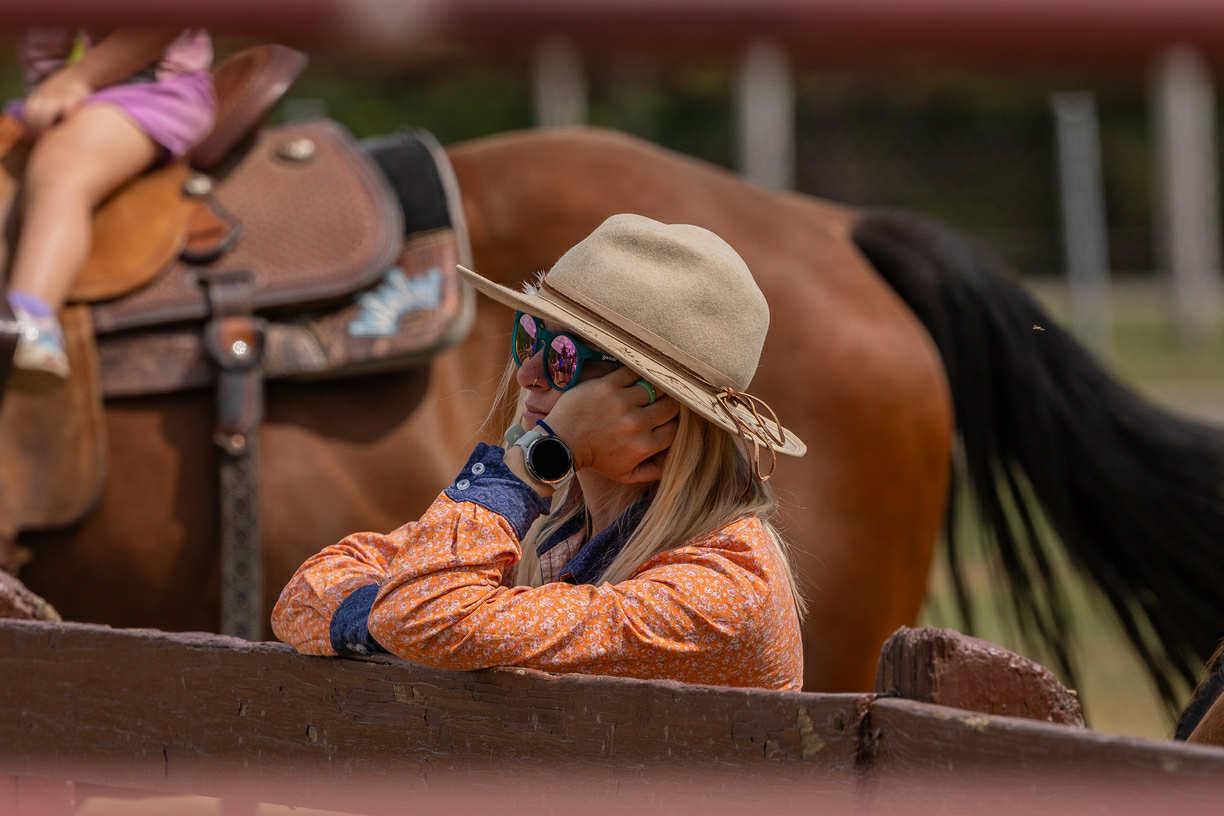
Thinking about all the terrible runs I’ve had and money I wasted in showing over the past year. Photo by Tim Frank
When you’ve fallen apart in front of everyone, all of a sudden the show pen feels less intimidating. I, of all people, can attest to this since I’ve been constantly placing myself in this situation for the last year. It feels awful in the moment, but the long-term payoff of pushing your threshold is rewarding. You’ll identify and fix holes in weeks that might have taken years to discover otherwise. You’ll begin to witness you and your horse improving faster, you’ll build a stronger partnership, and you and your horse learn how to handle stress together, making you more consistent under pressure. Each time you survive the embarrassment of a breakdown, you create an understanding that you can handle more than you thought.
Feeling like we have it back together for a show. Photo by JMF Photos
So how do you safely, intentionally push you and your horse to the point of breakdown without it becoming destructive?
1. Create a Safe Training Environment
From experience, you don’t want to push thresholds in a high-stakes show ring first. Choose lessons, clinics, or private practice sessions where you can fail safely. Surround yourself with coaches or peers who understand the value of “messy learning.” However, if the show arena is the only time you can do it, do it in stride.
2. Gradually Raise the Pressure
Just like conditioning a horse physically, mental and skill thresholds expand gradually. Don’t leap from low loping at practice to a full tilt, high-speed run in a high-pressure course. Add speed slowly and increase the difficulty of maneuvers one step at a time. Each step will reveal a new layer of challenge…I swear.
3. Ask More Than You Can Comfortably Do
If your trainer asks you to practice a pattern at 60%, try it at 80%. If your horse usually works for 20 minutes, go 25. That small push often reveals the moment where things start unraveling and that’s the spot for growth.
4. Stay Present in the Breakdown
When things fall apart, resist the urge to back off immediately. Stay in the embarrassing and vulnerable moment long enough to learn. For example, if your horse resists lifting his shoulder, don’t abandon it after one bad try. Break it down, try again, and stay with the discomfort. That’s how both you and your horse learn resilience.
5. Reflect and Refine
After pushing, always review. Ask yourself:
-
Where did it fall apart?
-
Was it physical (strength, balance, stamina)?
-
Was it mental (focus, nerves, frustration)?
-
Was it communication (cues unclear, timing off)?
This reflection turns “failure” into a practical training plan.
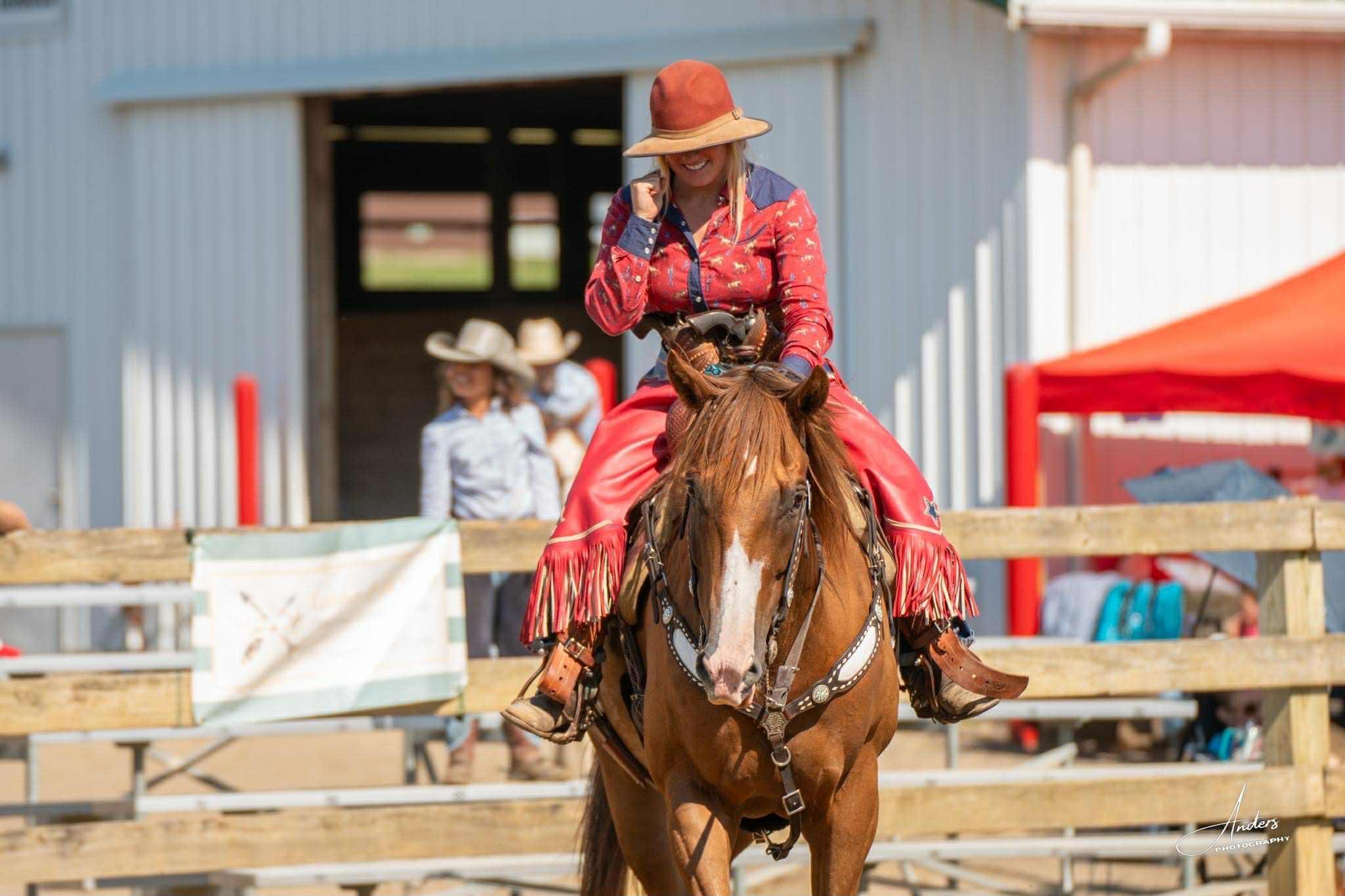
Excited to have had a great day in the show pen. Photo by Anders Photography
It’s important to note that there’s a crucial distinction that pushing the threshold should not mean pushing your horse past fair limits. The goal is not to run them into exhaustion or frustration, but to find the edges of what they understand and can handle.
Signs you’re pushing productively:
-
The horse is challenged but willing.
-
Mistakes happen, but recovery is possible.
-
You can end on a good note, even if it’s smaller than you hoped.
Signs you’ve gone too far:
-
The horse shuts down, refuses, or shows signs of fear.
-
You lose communication completely.
-
Both of you leave frustrated, with no sense of accomplishment.
A good horseman knows the difference. Pushing thresholds is about stretching, not breaking.
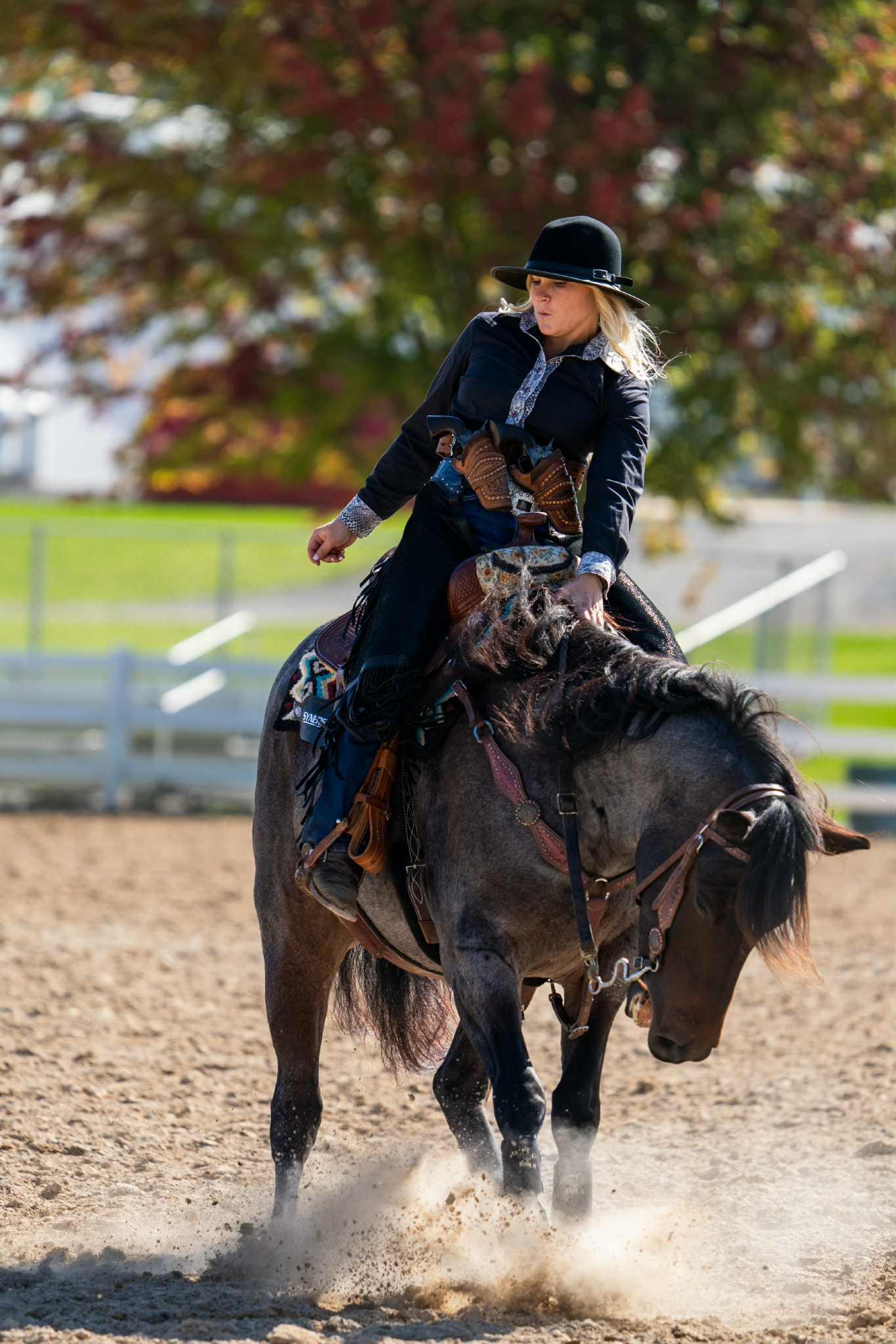
Enjoying the ride. Photo by Matt Cline
Improving your riding isn’t always about perfect circles, flawless runs, or polished appearances. It’s also about being brave enough to let it all fall apart to progress. It’s about testing the edges of your skill and your horse’s training until the weak spots reveal themselves.
Yes, it will feel uncomfortable. Yes, you’ll sometimes look unpolished in front of others. But the riders who dare to fall apart are the riders who leap forward in ability, confidence, and partnership.
The next time you ride, ask yourself: Am I staying comfortable, or am I pushing enough to find my edges? Am I willing to look messy now so I can ride beautifully later? Because, unfortunately for us, riding gets better when you’re willing to get worse first.
