



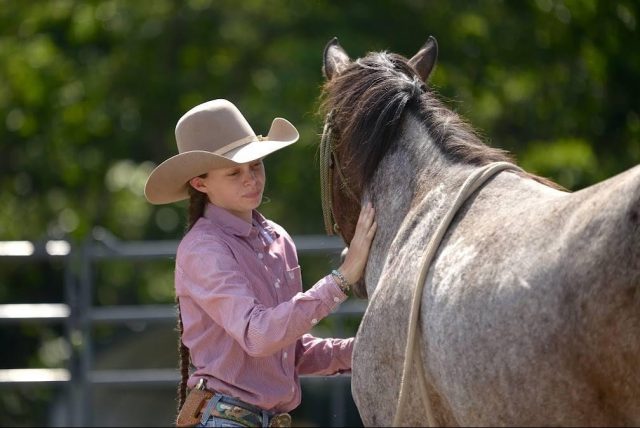
So You Think You’re a Colt Starter
Colt starting isn’t for the faint of heart — do you think you have what it takes? Before you go to start your young horse, see if you meet these five crucial qualifications.
So you think you’re a colt starter?
Do you have a young horse you recently purchased? Or maybe you raised yourself? Have you invested so much time and money into this horse’s care, vet expenses, purchase price, etc.? It’s been a long road, and they’re just two! Now it’s time to think about getting them started. If you’re thinking you can save money, make memories, and grow together, this is for you. I know all these things sound wonderful, but let’s take a deeper dive into colt starting. Laying the foundation that is either going to make or break their future. That first touch, first saddling, first ride — it’s crucial that it goes well and is a positive learning experience. If you went to school for the very first time and your teacher made you feel scared or unsafe, would you ever want to go back? Colts are the same way. It only takes one bad experience and they can come undone and crumble. But one good thing will stick with them and shape their future. So before you swing a leg over, consider these five crucial qualifications.
1. What makes you qualified to start a young horse?
Did you grow up riding? Did you just get into horses? Did you watch a YouTube video and now suddenly you’re a horse trainer? If you answered yes to any of these, I’m sorry but you should seek professional help with starting your colt. Let’s do a breakdown here:
So you grew up riding! Awesome! Now, did you grow up riding correctly? Or did you jump on your neighbor’s backyard mustang, draft cross bareback in your barefeet with just a halter? If you answered yes, then I don’t recommend trying to ride an unstarted two year old. There’s nothing wrong with enjoying horses like that as long as the horses and humans are safe and happy. And no judgement whatsoever if that is how you grew up. We all started somewhere. But to start a colt, you need feel, timing, understanding, awareness etc. It’s not the same as crawling on an old plow horse. These colts have never been handled like that — they don’t understand. Frustration begins where knowledge ends. And that can cause a snowball effect on both horse and handler.
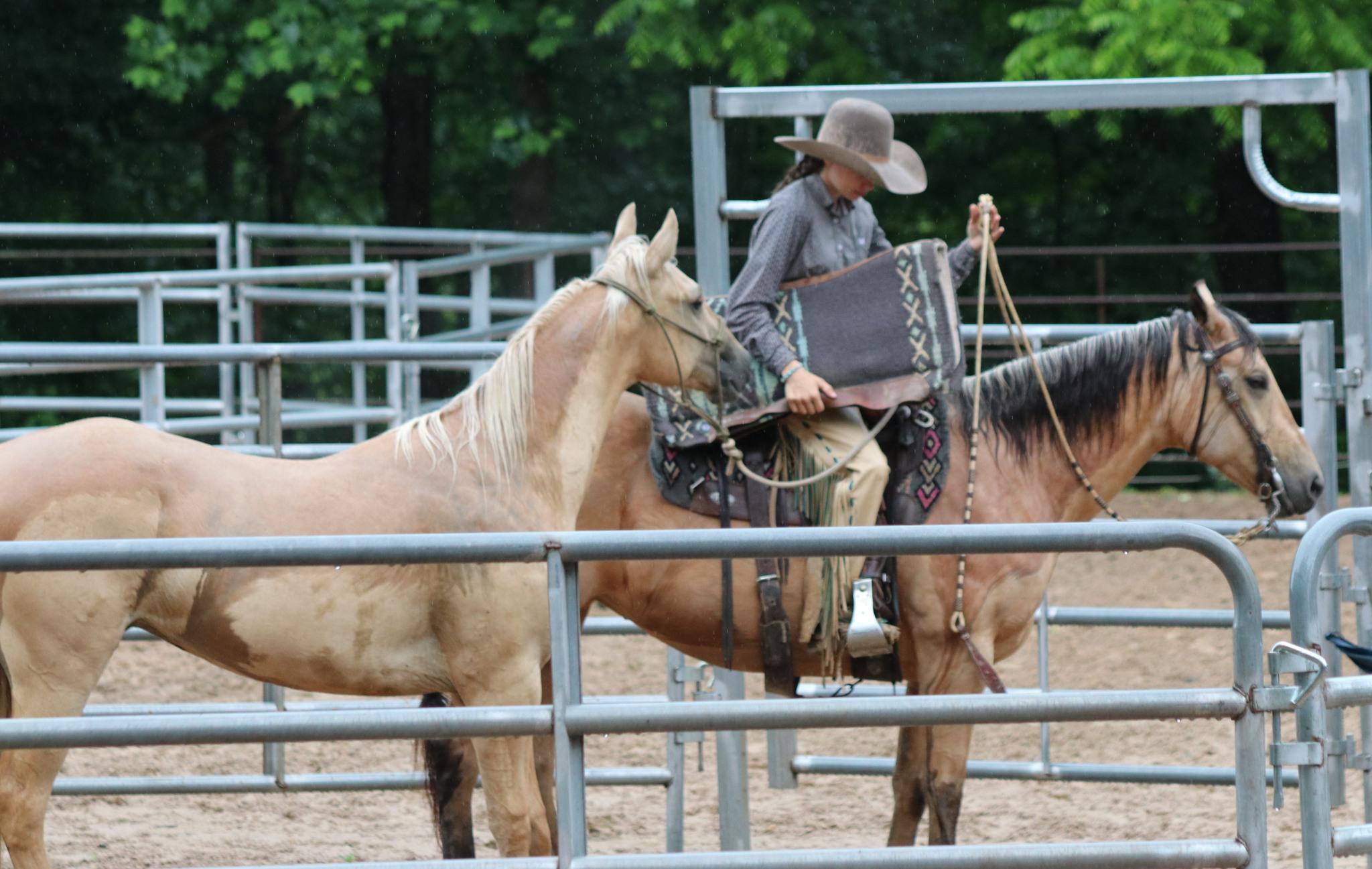
Photo by: Janice Enfield
2. Do you have a facility that’s appropriate for young horse?
Do you have a round pen? Or maybe an arena? Do you have a place to tie your colt? To bathe him? Do you have trails to ride once he’s reached that point in his training? These are all major components that could either help or hinder your colt starting.
Round pens are fantastic for starting colts. Personally, I like a 60 or 50-foot pen. There is so much you can do with a round pen. It gives your horse freedom, but gives you control. You don’t want to be run around a 200-foot arena chasing down your colt — it’ll play out you and your colt. And a tired horse can’t mentally process what you’re asking. If you do use an arena and you have to keep your colt on a long line, please consider what you’ll be teaching them. If they’re dragging you around and you’re pulling on their face, that’s only going to teach them one thing — to brace and be heavy throughout their body. And a bracey colt is no bueno. Once your colt is going solid in the pen, it’s time to take them outside the safety net and into the unknown — the trail. We can’t prepare them for real life if we have the security of the pen all the time. It’s like riding a bike and never taking off the training wheels. So something you have to ask yourself is, “Do I have a place to not only start him right, but also continue his education in life?”
Finally, what does your colt’s downtime look like? I’m a big believer in days off. Normally my colts get two days off a week. Sometimes my horses sit for two weeks and come out better than when I put them up. But what is crucial is how they are spending their days off. Are they outside with friends? Are they stalled alone 24/7? Do they get to roll and buck and interact with other horses? These are all things that play a bigger role in our horse’s training than we realize. I want my horses to be horses when they’re on their time. I want them to get dirty, eat grass, and horse around. Most importantly I want them to interact with role model horses. It’s so important for colts to have older mature horses to help shape them. Those mature horses will teach those colts more than we could ever dream of. Herd dynamics are huge — these babies need their ego checked sometimes and it’s natural for another horse to put them in their place. Your circle matters, so why shouldn’t your horse’s?
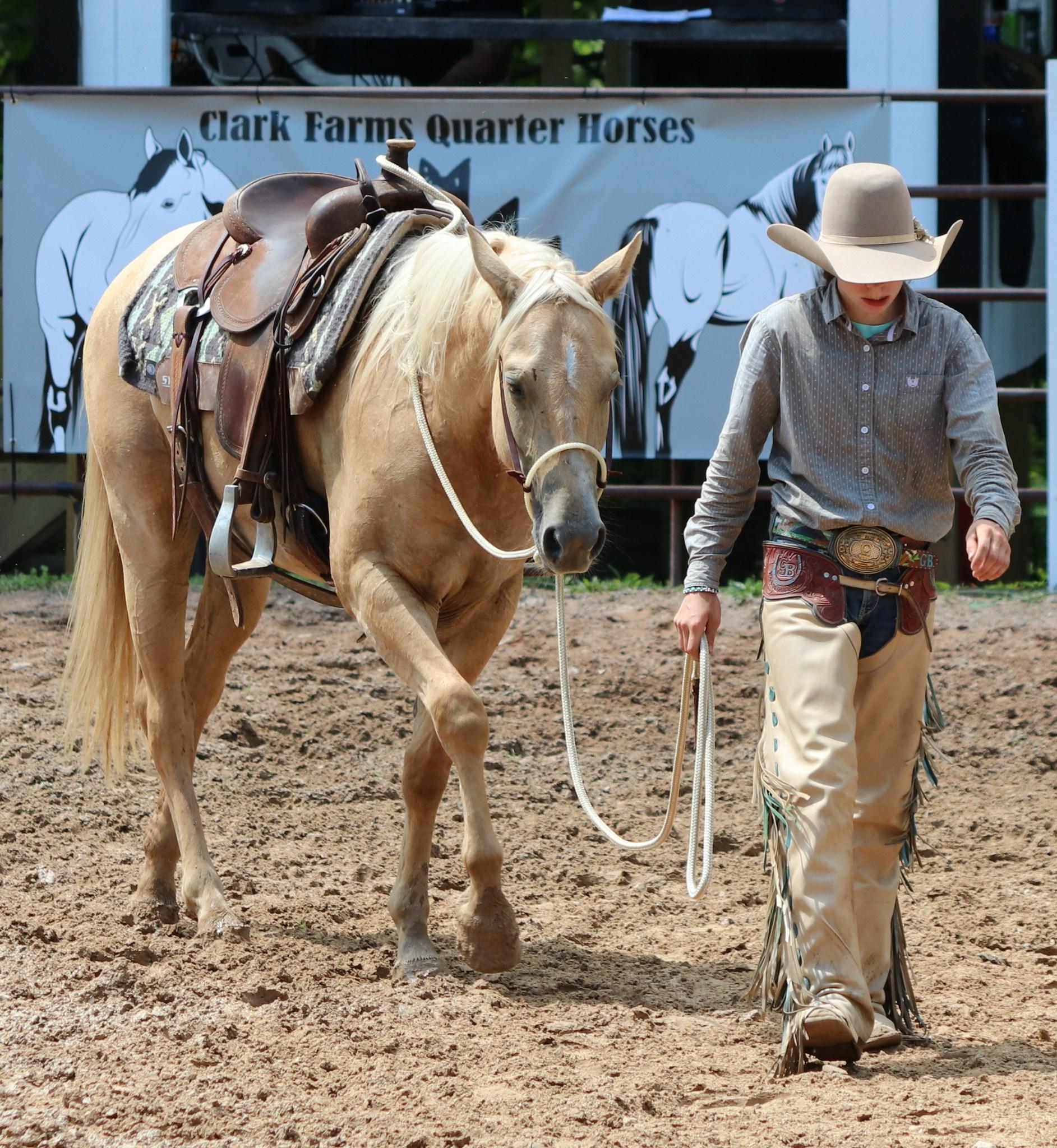
Photo By: Janice Enfield
3. Physical capability
Are you older? Do you have restricting issues that prevent mobility? Are you prepared for the chance of getting kicked, bucked off, or even drug? Physical capability is no joke. Being able to move quickly and efficiently is essential when working with young horses — you constantly have to be on your feet and ready for anything. If you lack physical ability you might make learning harder for your colt and that can cause its own set of problems. Unfortunately people risk it and sometimes that leads to things coming unraveled. Then both horses and humans are left with fear that may be harder for them to overcome. Remember, these colts need positive experiences; they always remember.
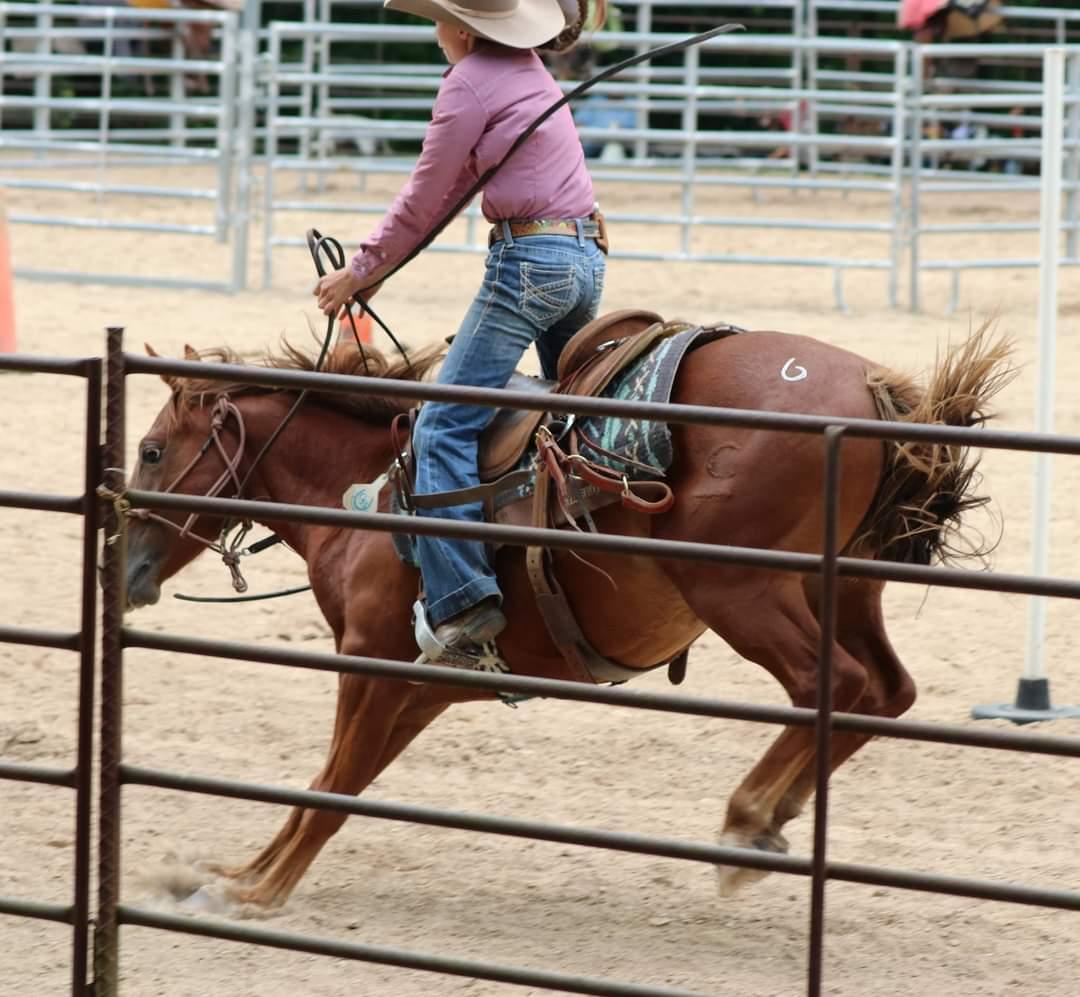
Photo By: Janice Enfield
4. Time
Do you have the time? Colts are a big investment — financially, emotionally, and they take TIME. Are you able to invest your time in them? It’s not hours and hours a day seven days a week — it’s years and years. By starting horses so young our goal is longevity — a trusting partner we can enjoy for years to come. But it takes years to get there. With colts, it’s not how much time a day, but how efficient you are in that time and staying consistent with it. Twenty minutes, five days a week — can you give your colt that? Twenty minutes of nothing but them, no rush, no deadline, just building the foundation — are you capable of giving that to them?
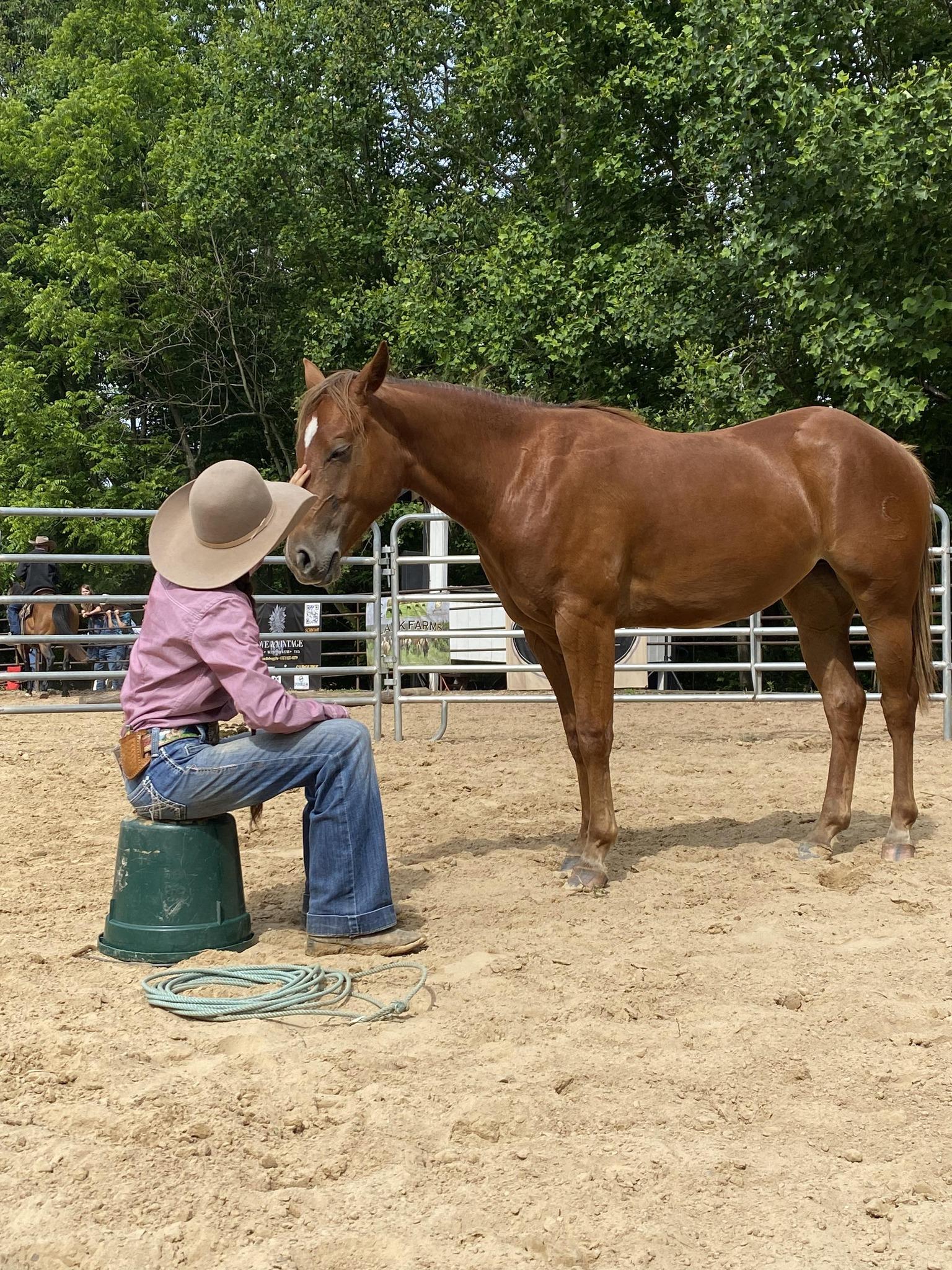
Photo By: Janice Enfield
5. Are you confident?
Are you a confident rider? Do you handle your horses with leadership and confidence? Are you timid in any way? Maybe you had an accident recently and you’re a little apprehensive. There’s nothing wrong with having fears, but it’s all in how we face them. And timid riders make timid horses. If you’re scared and you’re on pins and needles waiting for something to go wrong, guess what? You just made something go wrong. If you’re on the muscle, you’ll make your colt the same way. They are herd animals and in that herd there’s always a leader, guiding, shaping and teaching all the other horses. You have to lead. If you’re too passive they’ll run you. If you’re too aggressive, they’ll resent you. If you’re scared of them, they’ll be scared of everything. But they will follow a better leader the moment one shows up.
If you’re timid, try doing smaller things you’re scared of outside of horses. Conquer those fears and you’ll build your self-confidence and you’ll be better for your horse. Afraid to drive after dark? Or maybe talk on the phone (oh wait, that’s me)? Start there, conquer that, and watch your confidence grow. If you are even the slightest bit timid around your colt, it’s better for both of you — especially your horse — if you seek professional help before you cause a problem that has to be undone. It’s easier to teach a new habit than it is to forget an old one. The more you attempt to go at it alone, the longer your horse’s training will take — ultimately that will cost more time, energy, and more money. That defeats the purpose of you trying to do it alone because it’s cheaper. It just costs more in the long run.
If you don’t think you meet these five qualifications, no worries. Here’s the next step: Find someone who does. Professional help is out there for a reason, but finding the right candidate can be a daunting task. My next article will focus on the qualifications your potential colt starter should meet.
Happy trails!
