



Mythbuster Monday: Riding Will Build My Horse’s Topline
On Mythbuster Monday, we tackle a variety of equestrian myths to either bust or confirm. Today’s discussion: Riding build my horse’s topline.
It’s Mythbuster Monday, where Horse Nation dives into different equestrian myths and provides research-based evidence to either bust or confirm those myths. Today’s topic: Will riding build my horse’s topline? What builds topline? What are some issues when building topline? Read further to find out!
Myth: Riding will build my horse’s topline
Myth or Fact: Mixed
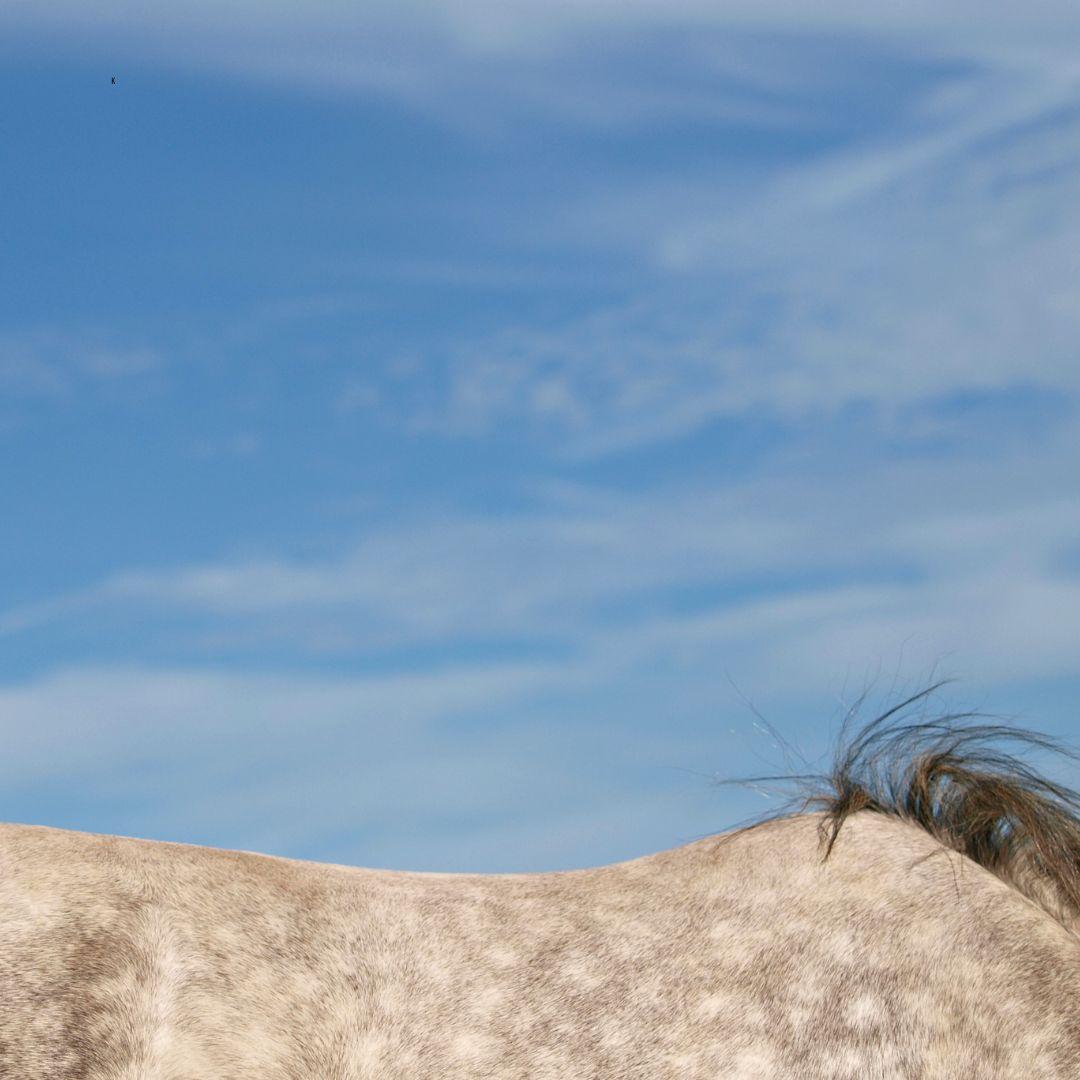
The topline of a horse refers to the line of muscles that run along the neck, back, loin, and croup, creating the horse’s overall silhouette and strength across the back. A well-developed topline gives a horse a balanced, athletic appearance and supports its ability to perform comfortably under saddle. Conversely, horses can lose topline due to factors such as age, illness, injury, or periods of reduced conditioning, which can lead to a dipped back, prominent spine, or overall loss of muscle tone along those key areas.
But, does riding build topline?
Canva/CC
According to a study by University of Tennessee College of Veterinary Medicine, riding alone does not guarantee topline development, especially when a horse is experiencing what veterinarians now describe as topline dysfunction, a multifactorial condition that includes back pain, stiffness, and weakness. While traditional veterinary care has often focused primarily on back pain, successful rehabilitation and topline building require addressing all three components together. Horses with topline dysfunction cannot simply be ridden into shape, because poor posture, weak muscles, or restricted movement patterns prevent proper topline engagement under saddle. Instead, research highlights the value of therapeutic exercise programs (including but not limited to dynamic mobilization, gymnastics, ground poles, backing, and even underwater treadmill work) specifically to target the multifidus and longissimus dorsi muscles that form the core of the topline.
Some training devices may alter muscle activity but require further investigation before being recommended. Although correct riding can play a role in developing the topline, it is not enough on its own if weakness, stiffness, or pain are present. A combination of proper riding, therapeutic exercises, and individualized rehabilitation strategies is essential for restoring full topline strength and athletic function.
Canva/CC
Mad Barn writes that building topline muscle and dealing with topline loss is a common struggle for horse owners, and riding alone rarely is enough to solve the problem. While exercise is an important piece of the puzzle, topline development is influenced by many factors, including nutrition, age, health conditions, saddle fit, lameness, and digestive function. Horses cannot build muscle if they lack the proper protein, amino acids, vitamins, and minerals to support recovery, or if underlying issues such as ulcers, metabolic disorders, or back pain prevent them from using their toplines correctly.
The article emphasizes that true topline improvement requires a holistic approach: a balanced diet, proper veterinary and saddle assessments, management of medical conditions, turnout and lifestyle considerations, and targeted exercises such as transitions, hill work, pole work, and stretching. In short, riding can contribute to building a horse’s topline, but without addressing the bigger picture of nutrition, soundness, and overall care, topline development will remain limited.
Canva/CC
The Horse also weighs in on the subject, pointing out that riding alone will not necessarily build a horse’s topline if underlying issues are present. Horses can lose topline due to poor posture, ill-fitting saddles, lameness, restricted movement from stall rest, age, foaling, surgery, or metabolic and muscle disorders. Even horses that are fit, actively competing, and well-fed can show topline loss if pain or discomfort causes them to carry themselves incorrectly. The article emphasizes that topline comes from proper core stability and posture, not just hard work under saddle. Without addressing root causes such as pain, nutrition, or tack problems, riding harder or longer will not rebuild the topline, and in some cases may even make the situation worse. True topline development requires a combination of veterinary care, correct nutrition, good saddle fit, posture-focused groundwork, and thoughtful ridden exercises.
Canva/CC
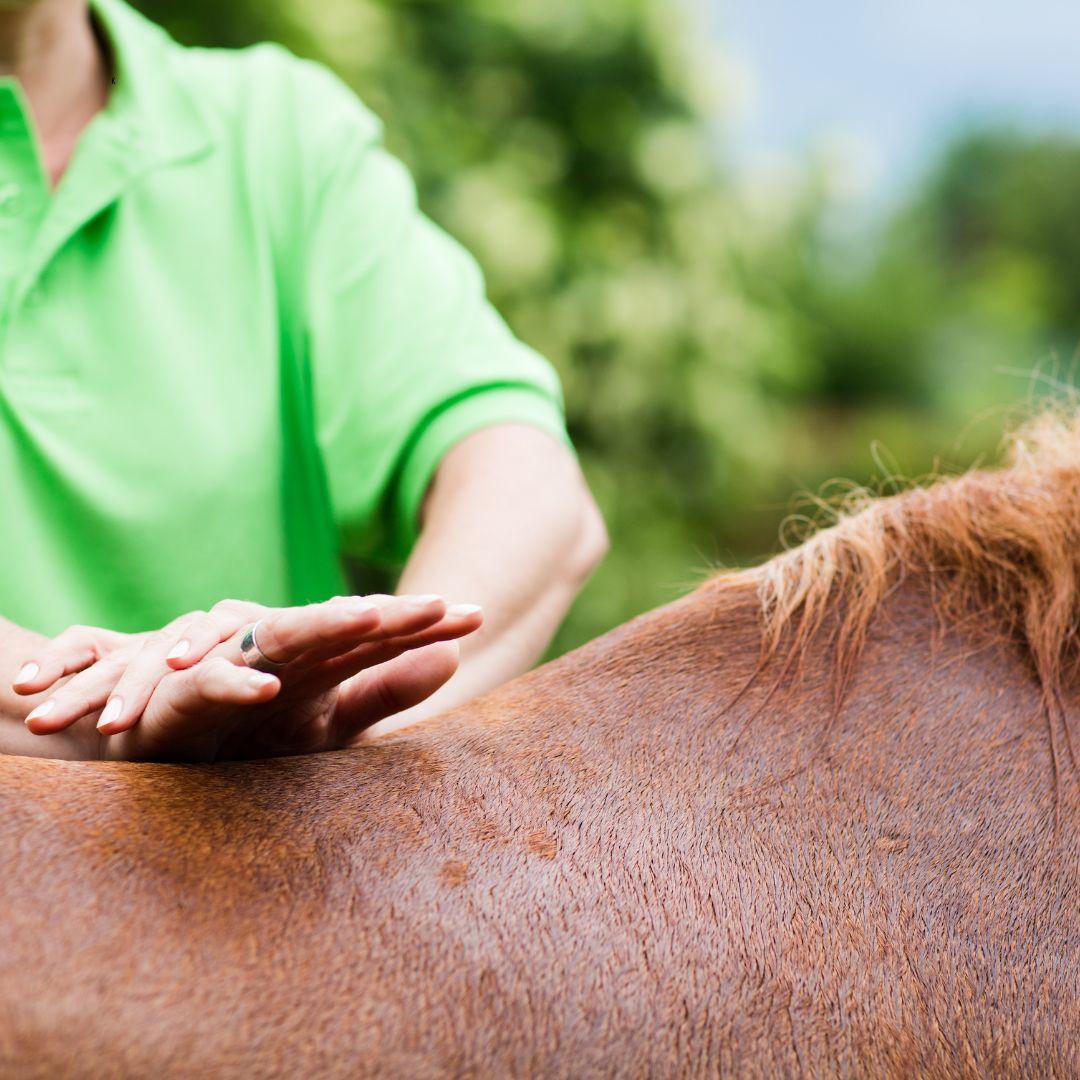
Jessica Limpkin, an equine massage therapist agrees, stating topline is not built by riding alone, but instead depends on overall posture and core strength, particularly the abdominals. She explains that true topline development comes from healthy movement patterns that allow muscles and soft tissues to work correctly, absorb impact, and protect joints. Horses with strong toplines are easier and more enjoyable to ride, lighter in the hand, and more likely to stay sound and useful longer. Importantly, Limpkin emphasizes that even horses that are not being ridden, such as retirees or those only lightly used, can still develop and maintain a healthy topline through targeted exercises. Building core stability, especially in the abdominals, is essential because without strong abs, a horse cannot have a strong back. She cautions that exercises must be performed correctly and at the horse’s current level of ability, otherwise compensation patterns can develop and hinder true topline growth.
Canva/CC
A study performed by Patty Graham-Thiers found that riding and exercise alone are not enough to build a horse’s topline if nutritional support, specifically balanced protein, is lacking. In her research, horses on a diet formulated to mimic the amino acid profile of muscle tissue showed greater muscle fiber diameters, improved amino acid availability, and evidence of cellular-level muscle hypertrophy compared to those on a standard protein diet, even though both groups did the same work. Although whole-body measurements showed only subtle differences, the tissue-level changes were clear: horses receiving a balanced protein diet were better able to utilize amino acids for muscle development. This reinforces the conclusion that topline growth requires more than just exercise — it depends on correct nutrition that supplies essential amino acids in the right ratios to support repair and synthesis of muscle tissue.
After diving into the research it’s clear that riding alone does not guarantee the development of a horse’s topline. Each source highlighted that topline growth is a multifaceted process influenced by far more than time in the saddle. Without proper nutrition, soundness, and correct saddle fit, riding can hinder progress. Underlying pain, poor posture, or medical issues can prevent a horse from engaging its topline. Core stability is the foundation for topline development and even horses not in work can benefit from targeted exercises. At the cellular level, balanced protein and amino acid availability are essential for true muscle hypertrophy. Topline is built through a holistic approach, correct nutrition, pain-free movement, proper conditioning, and core strength, not simply through riding more often.
Do you have an equine myth you’d like us to tackle? If so, send it our way! Email your suggestions to [email protected]. Put Mythbuster Monday in your subject line.
