



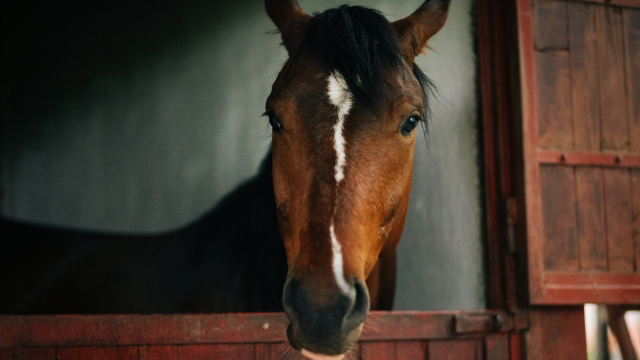
Stall Rest: Where Sanity Goes to Die
If you’ve had horses for long, you’ve dealt with stall rest in some way, shape, or form. And there’s no denying stalls are where sanity goes to die… maybe not your horse’s sanity, but definitely yours.
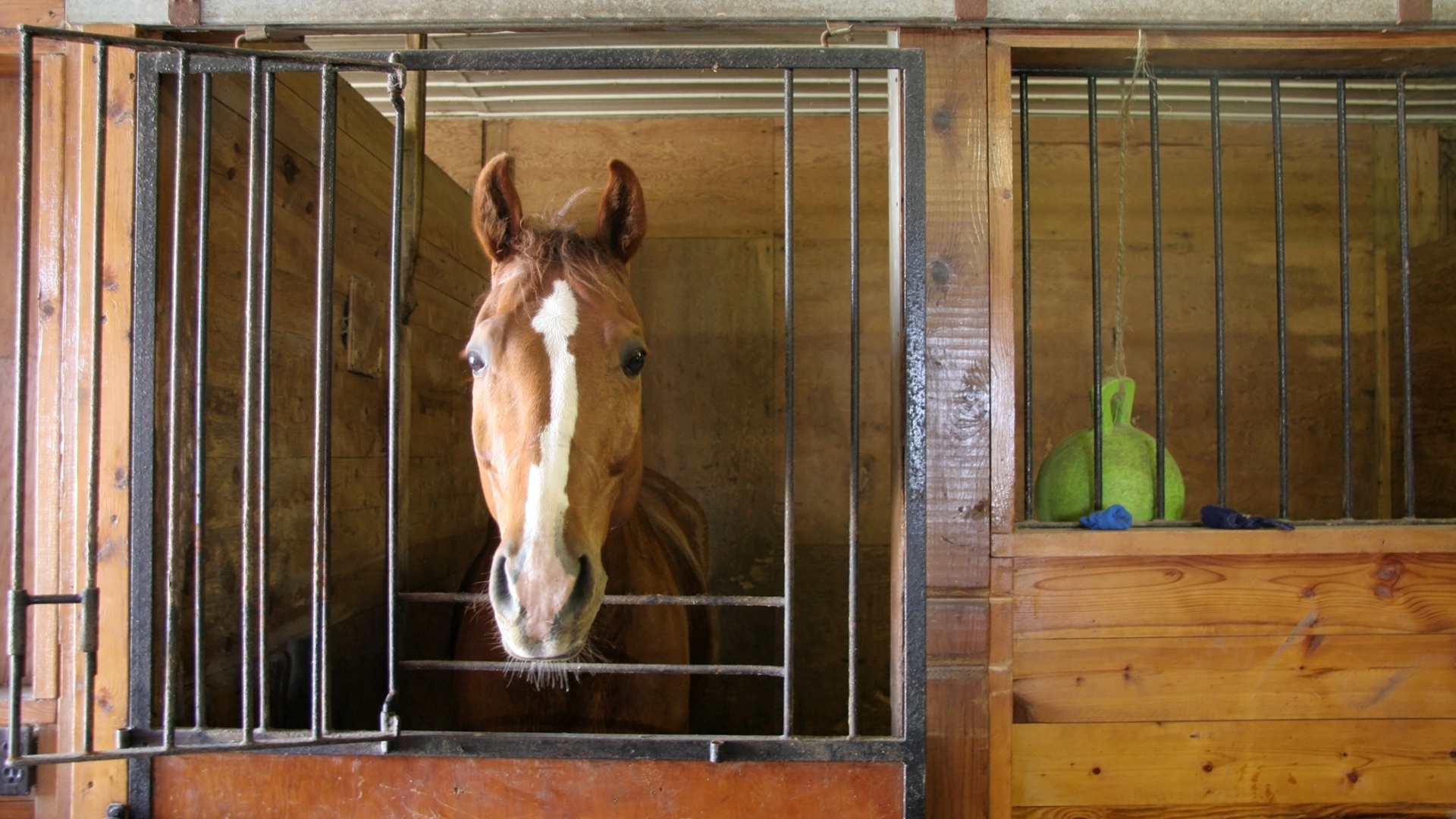
Canva/CC
There are few phrases in the equestrian world more soul-shattering than, “Your horse needs to be on stall rest.”
Oh sure, it sounds innocent enough. “Stall rest” — two little words that whisper promises of healing and recovery. But experienced horse owners know the truth: stall rest is a psychological experiment, and the subject isn’t the horse. It’s you. And like grief, there are distinct stages every horse owner with a horse on stall rest goes through:
Week 1: Denial and Bribery

You optimistically hang hay nets, fluff bedding, and promise yourself this won’t be that bad. You buy the expensive slow-feeder, the fancy lick-it toy, and a Himalayan salt block the size of a Prius. You bring your horse handmade boredom busters and talk to them like they’re on the verge of emotional collapse. Honestly, they seem… fine.
“See?” you tell yourself. “This is manageable.”
That is your first mistake.
Week 2: Bargaining with a Large, Furry Prisoner
Your once-chill gelding now reacts to the sound of a squirrel sneezing three paddocks over like he’s auditioning for the Kentucky Derby. He paces. He weaves. He gnaws on his bucket like a rabid beaver. And if you have a highly bred mare…

You bring treats — not because your horse has earned them, necessarily, but because you’re afraid not to. You whisper calming affirmations, rub your horse’s neck lovingly, and sneak off like you’re tiptoeing past a sleeping dragon.
Your horse eyes you like you’re plotting something nefarious. Which, to be fair, you kind of are (if duct-taping yoga balls to his stall wall counts.)
Week 3: Creative Engineering and the Threat of Murder
You’ve rearranged the stall no fewer than nine times. You’ve zip-tied traffic cones to the wall (enrichment!), dangled milk jugs from the rafters (fun!), and even considered getting him a hamster wheel. He responds by eating the jugs, flipping the cones into his water bucket, and glaring at you through the bars like an inmate four minutes into a life sentence.
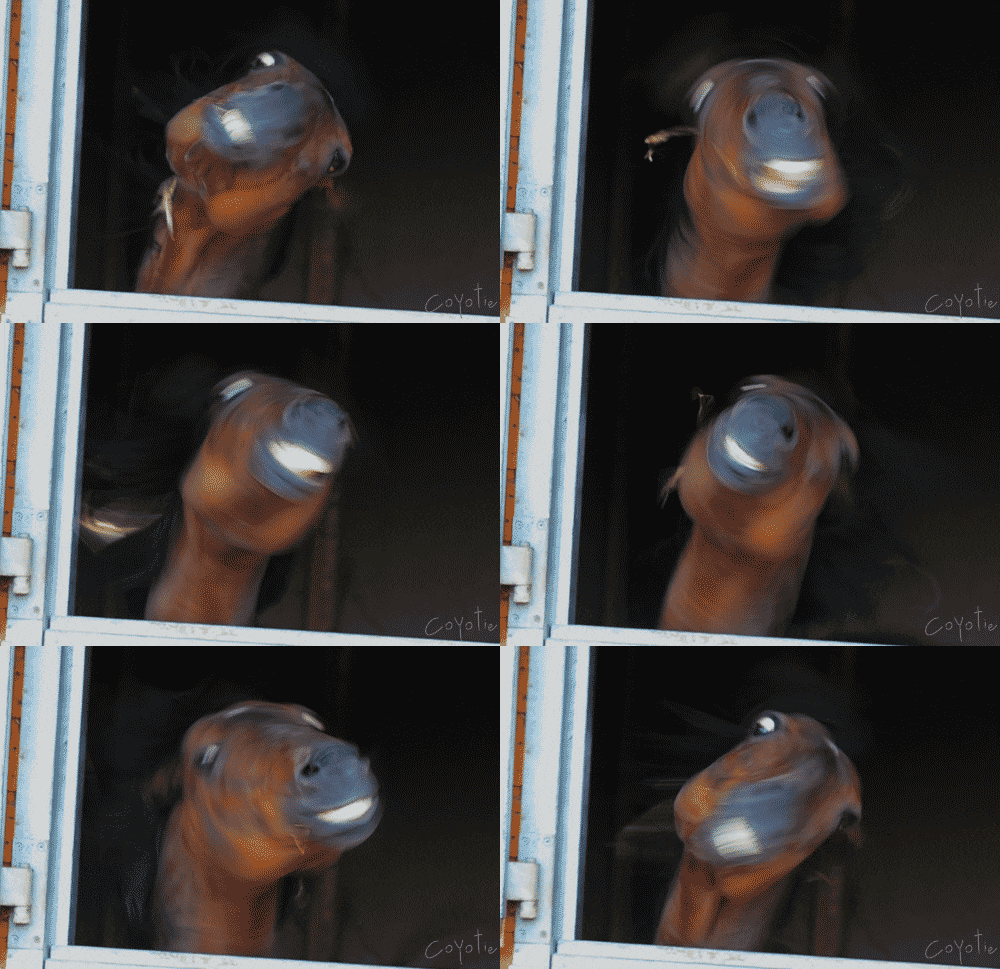
At this point, you begin to suspect your horse is planning your murder. Or worse, his own. His sense of drama rivals a Shakespearean actor. He sighs so heavily you worry about lung function. He pins his ears at the barn cat. He snorts at his own shadow.
You google, “How to sedate a horse with chamomile and prayer.”
Week 4: The Madness Spreads
Your vet calls to check in. You laugh — laugh — for a solid 30 seconds before realizing they were serious.
Your barn friends start avoiding you. Is it because you talk too much about manure consistency? Or because your new hobby is crying into a bucket of beet pulp while muttering, “This is fine”?
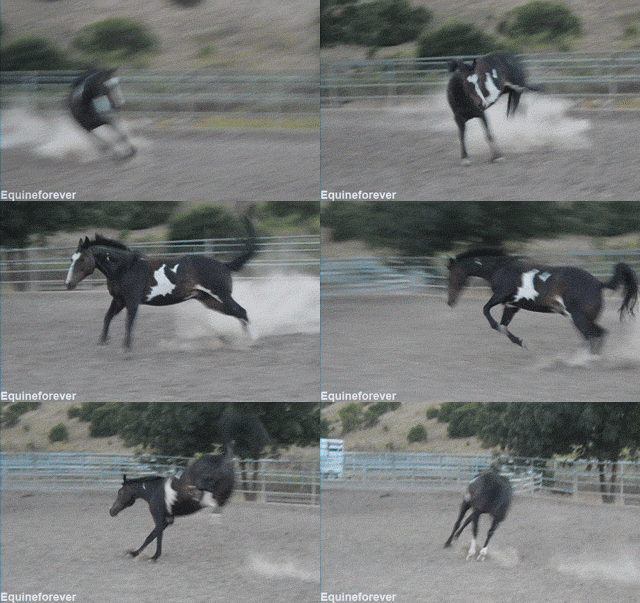
Your horse, meanwhile, is thriving. His coat gleams. His weight is perfect. He’s somehow gotten fitter from doing absolutely nothing, and now performs impressive acrobatic aerial maneuvers during hand-walks — sort of like a Lipizzaner that’s late for a parade.
Week 5 and Beyond: Acceptance (Sort Of)
You’ve given up trying to outsmart him. His stall now contains more enrichment items than a Montessori preschool. You only hand-walk him if you’ve done a full body stretch and said your goodbyes.
You no longer flinch when he rears next to you. You just sigh and keep walking, dragging him along like a helium balloon on a lead rope.
He’s developed a complex personality now: part toddler, part drama queen, part Olympic gymnast. You, meanwhile, are considering therapy.
Hang in there. We’ve been there. We see you.

The Light at the End of the Stall
And then, just when you think you’ll have to rehome him to a nice petting zoo in Idaho, the vet says the magic words: “You can start turnout.”
You sob. You dance. You text everyone you’ve ever met. Your horse? He steps outside, sniffs the air, and immediately rolls in the biggest mud puddle on the property. You don’t even care.
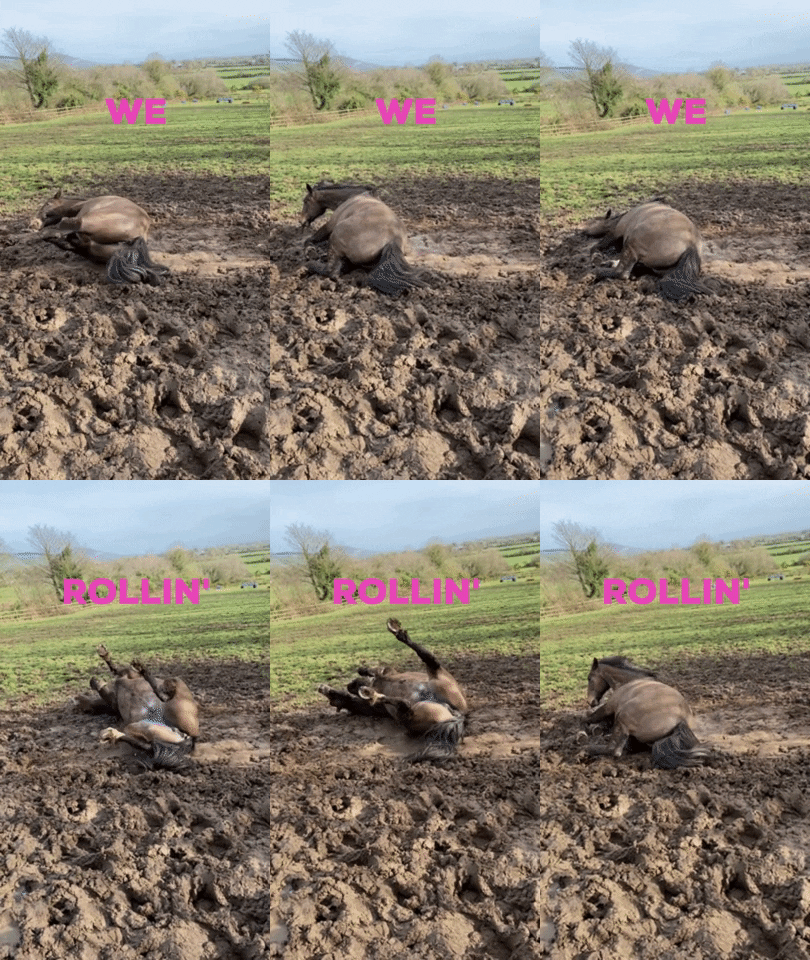
You’ve survived stall rest. Your horse is healed. Your bank account is ruined. Your nerves are fried. But hey — you’ve earned your place in the elite club of equestrians who know the true meaning of suffering.
And next time someone says, “He just needs six weeks of stall rest,” you’ll do the only sensible thing.
Run.
Just kidding. You sigh and start all over again. Because this is what we do.
Canva/CC
