



Mythbuster Monday: Farriers Can Prevent Arthritis
On Mythbuster Monday, we tackle a variety of equestrian myths to either bust or confirm. Today’s discussion: Are farriers a key to preventing arthritis?
It’s Mythbuster Monday, where Horse Nation dives into different equestrian myths and provides research-based evidence to either bust or confirm those myths. Today’s topic: Are farriers the key to preventing arthritis? What part of the job dercreases the risk of arthritis? Is it just arthritis in a certain area? Read further to find out!
Myth: Farriers can prevent arthritis
Myth or Fact: Fact
Canva/CC
Arthritis in horses is a chronic condition that involves inflammation and progressive deterioration of the cartilage within a horse’s joints. This cartilage normally acts as a cushion and allows for smooth joint movement, but over time, or due to injury, repetitive stress, or poor conformation, it can wear down — this ultimately leads to pain, stiffness, swelling, and reduced mobility. While arthritis is most common in older horses or those with a history of heavy performance use, it can affect horses of all ages and disciplines. Early signs often include subtle lameness, reluctance to work, or stiffness after rest. Though arthritis cannot be cured, it can be managed through a combination of treatments such as joint supplements, anti-inflammatory medications, therapeutic exercise, and in some cases, regenerative therapies or joint injections to maintain comfort and prolong a horse’s usability.
But, can farriers prevent arthritis?
Canva/CC
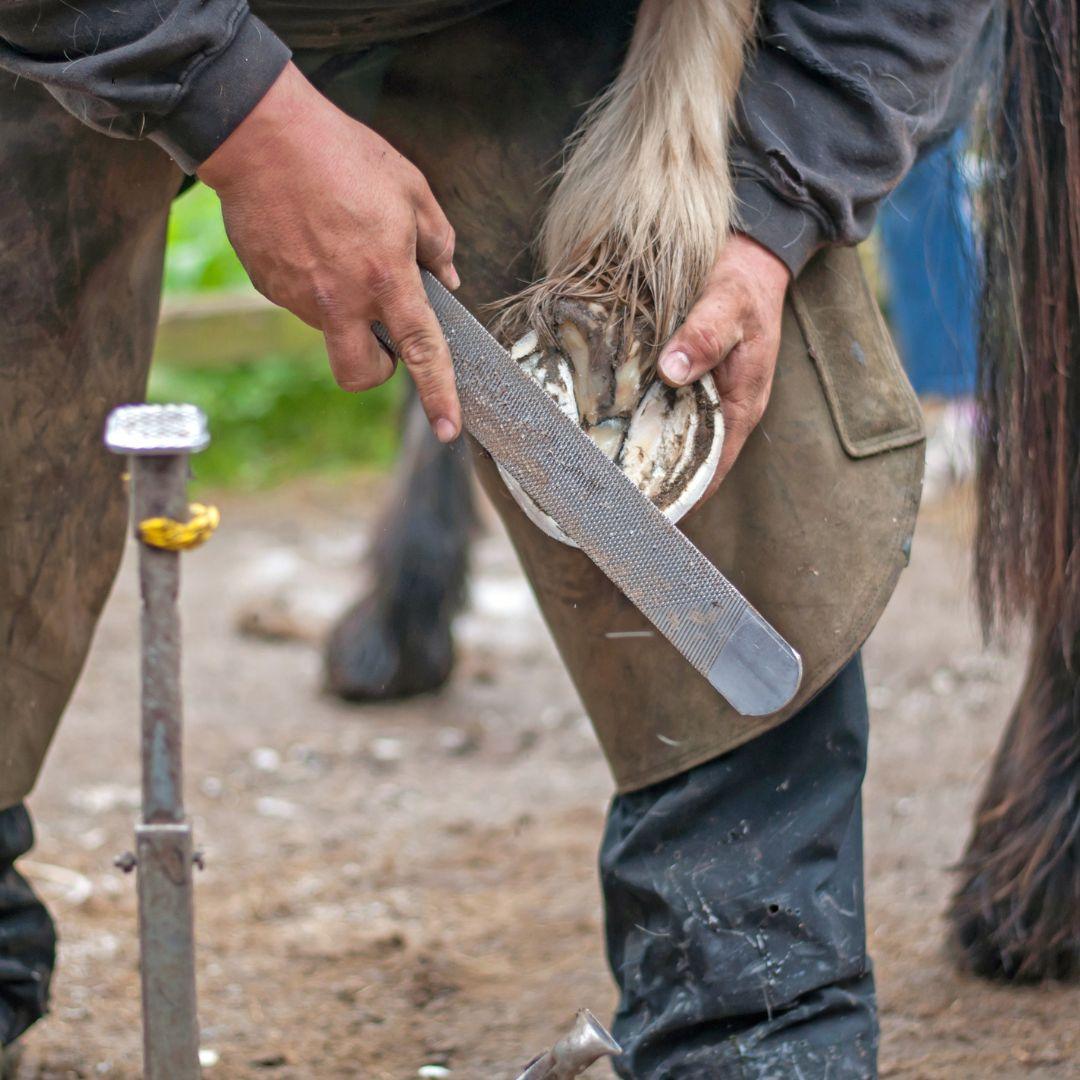
According to an article by Equus, farriers play a vital role in the prevention of arthritis in horses, especially when it comes to maintaining proper hoof balance and alignment throughout a horse’s life. Although arthritis often is seen as a condition of aging, the article emphasizes that its roots are often established much earlier, through factors like nutrition, training practices, and, notably, hoof care. Regular and thoughtful farriery can help prevent the abnormal joint stresses caused by imbalanced feet; stresses that often go unnoticed but accumulate over time and lead to degenerative joint issues. Even in young foals and weanlings, early and consistent hoof care is crucial, as unbalanced hooves can exacerbate developmental orthopedic diseases, increasing the likelihood of arthritis later in life. Studies have shown that even small deviations in hoof angles significantly affect joint loading, making farriership a foundational element in preserving joint health. Ultimately, consistent and skilled farriery tailored to the horse’s age, workload, and discipline can reduce the long-term wear and tear on joints, helping delay or minimize the effects of arthritis.
Canva/CC
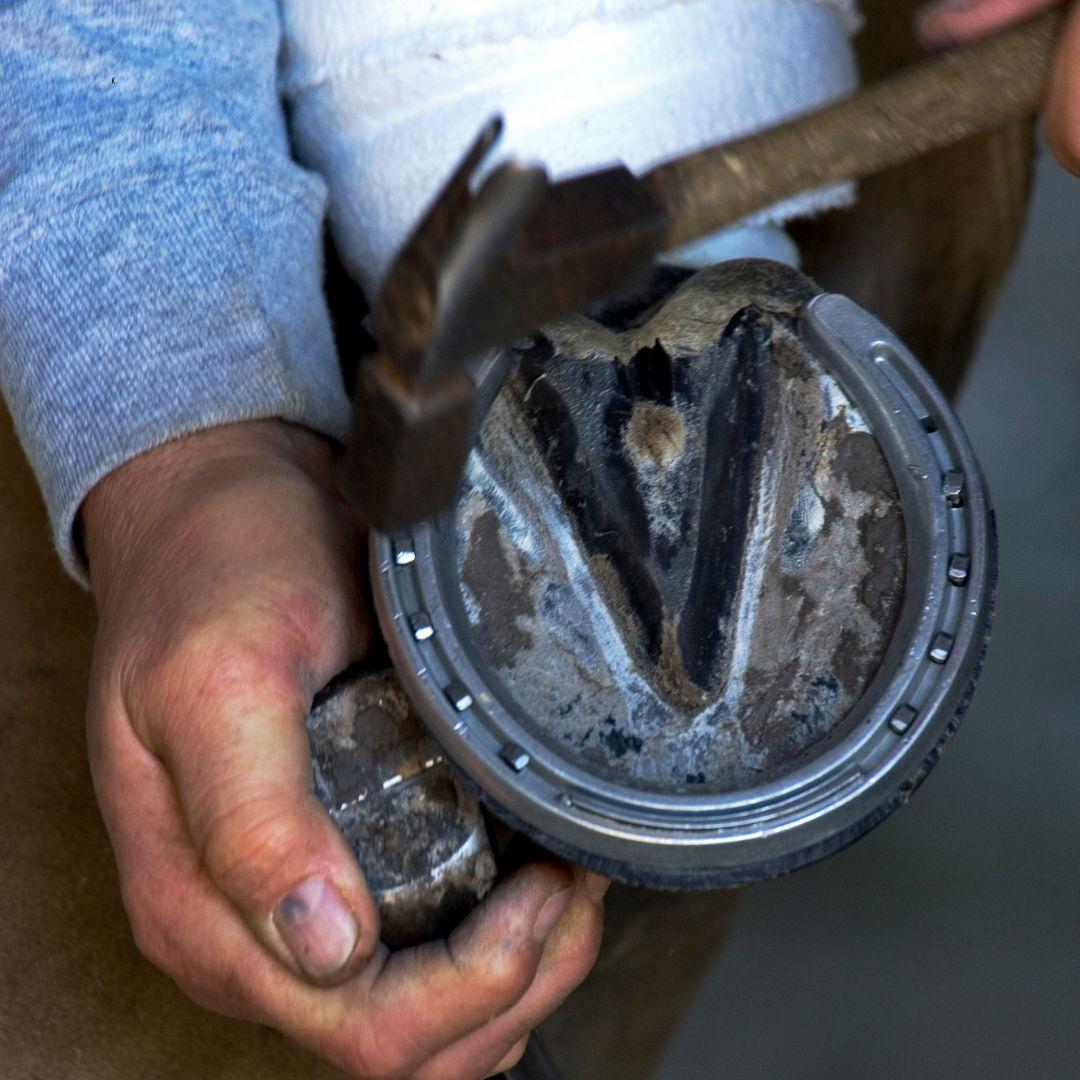
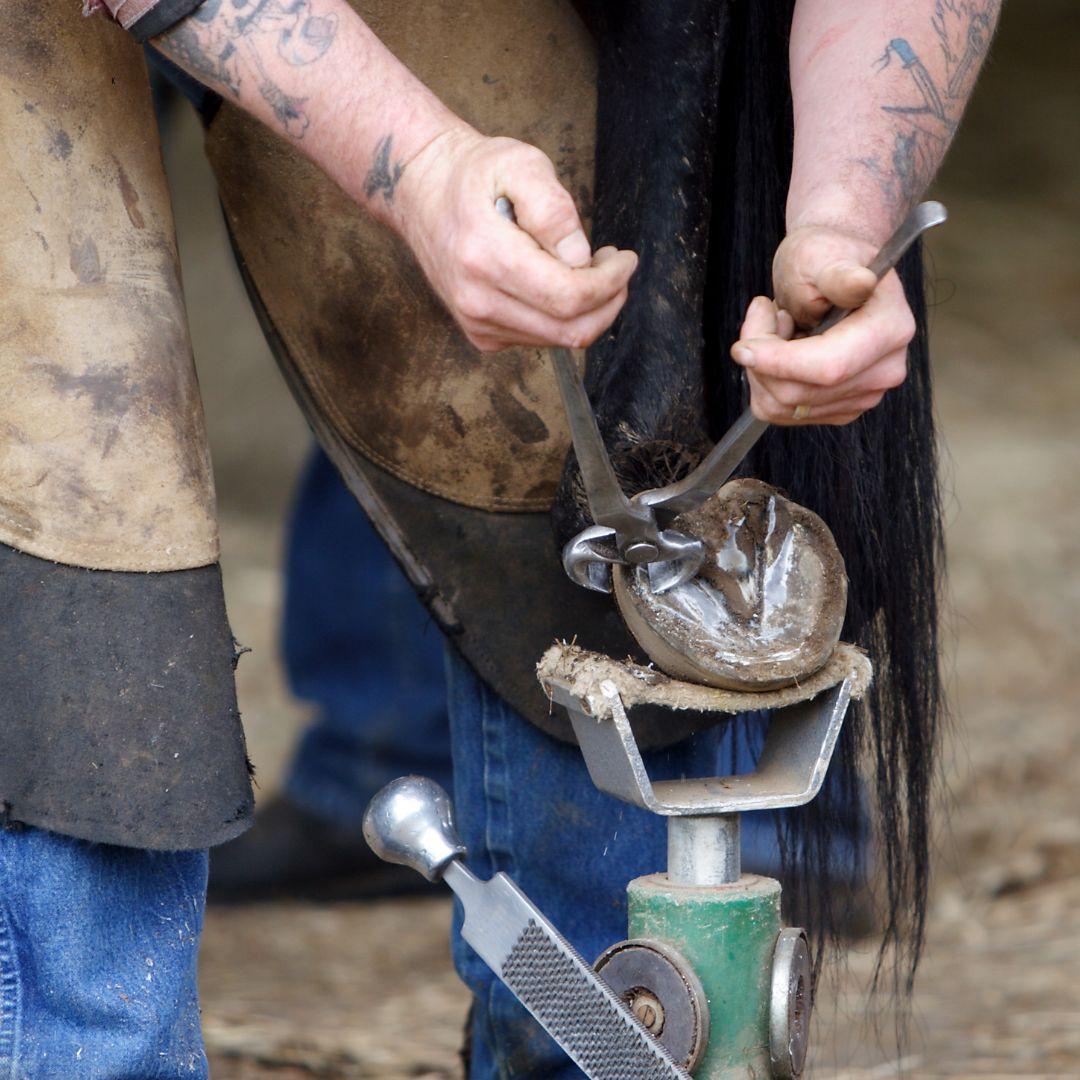
The Horse states that farriers can play a significant role in both managing and helping to prevent arthritis in horses by focusing on foundational hoof care strategies. While medications and regenerative therapies are commonly used to treat arthritic horses, the article emphasizes that one of the most effective and often overlooked approaches starts at the ground level: trimming and shoeing. Proper hoof balance directly affects limb biomechanics, and imbalances can lead to uneven loading on joints, which contributes to degenerative joint disease over time. Farriers who maintain consistent, balanced trims and support proper limb alignment can reduce stress on joints by easing breakover, supporting the heels, and preserving the correct hoof-pastern axis. Techniques like rolled or rocker-toe shoes, heel support, and shock-absorbing pads help minimize excessive joint motion and impact force; two factors that aggravate arthritis. Inappropriately managed hooves, such as those with long toes, collapsed heels, or uneven medial-lateral balance, can place uneven pressure on joint structures and accelerate joint wear. Though not a standalone solution, good farriery is a critical and proactive part of a larger joint-care strategy, with the potential not only to relieve discomfort in arthritic horses but also to delay the onset of joint deterioration in sound ones.
Canva/CC
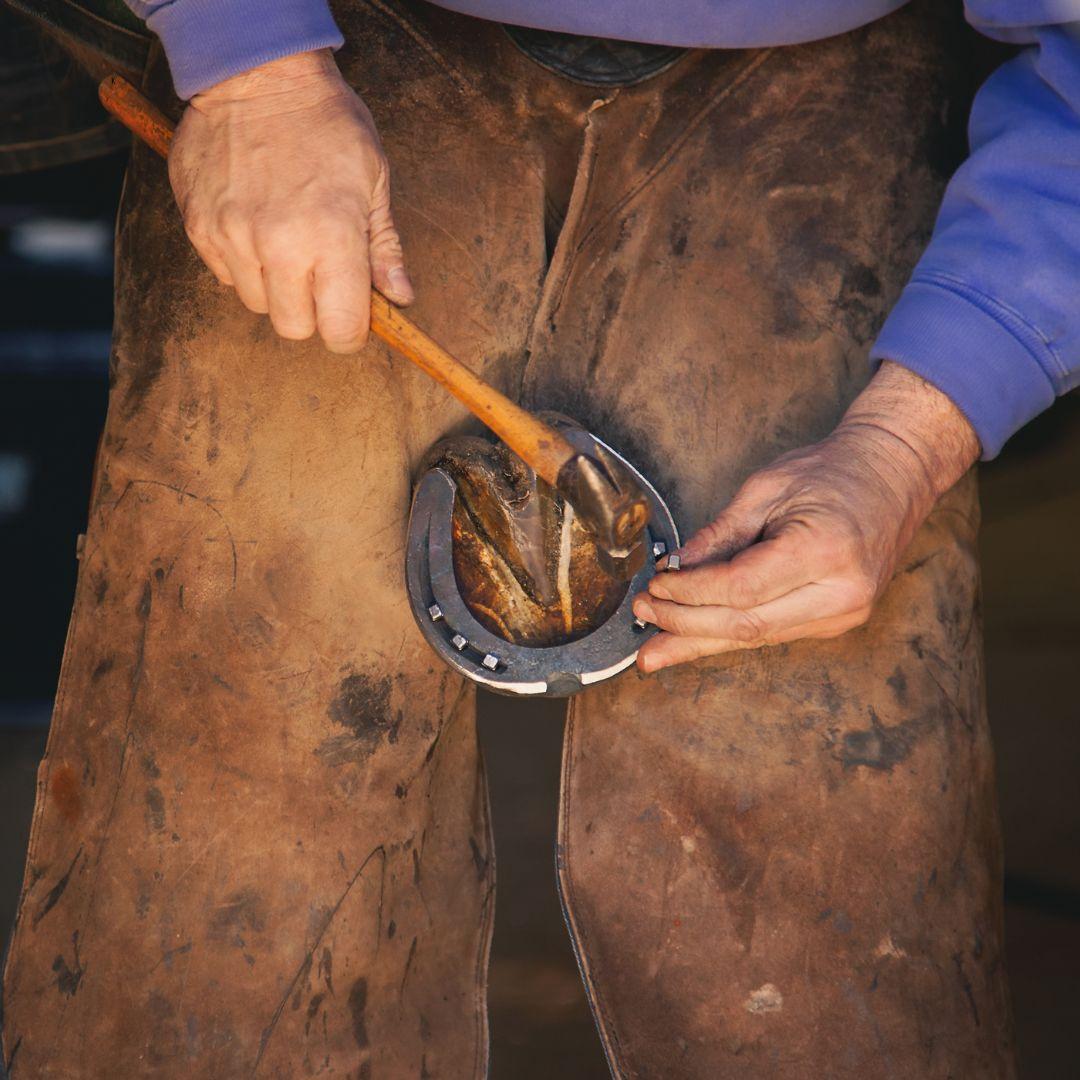
An article from Veterinary Partner emphasizes that skilled farriery can significantly reduce the mechanical stresses placed on a horse’s joints. Proper hoof balance, heel support, and careful attention to the hoof-pastern axis are critical to minimizing uneven loading and preventing excess strain that can accelerate joint degeneration. Therapeutic shoeing techniques such as the use of pads, rocker or rolled-toe shoes, and correctly placed heel support can also alleviate impact-related pain and improve comfort in horses already suffering from arthritis.
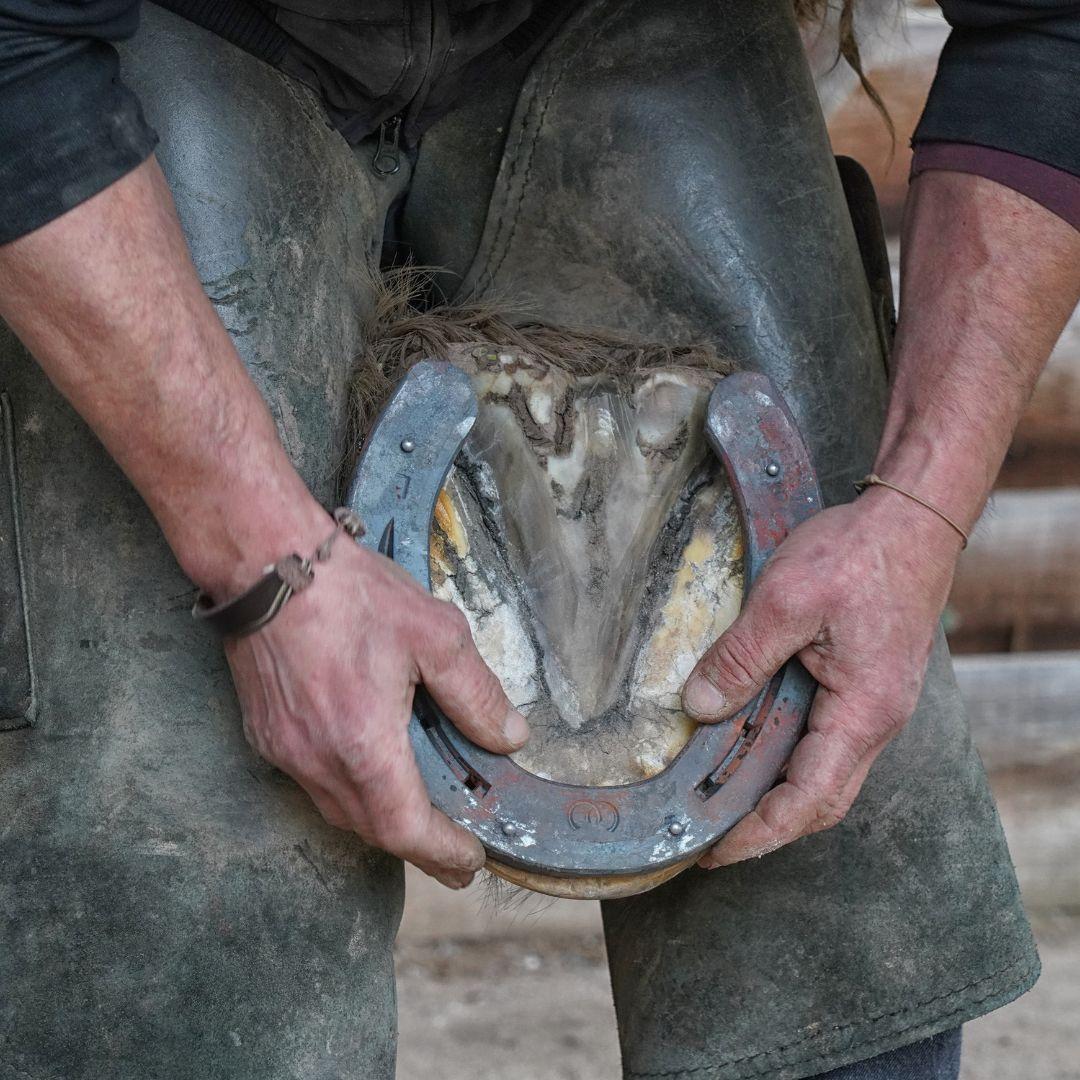
Farrier care is most effective when done in collaboration with a veterinarian, especially for horses showing signs of lameness or diagnosed joint disease. Radiographs and other diagnostics help guide trimming and shoeing choices tailored to the individual horse’s joint condition and anatomy. Although farriers alone cannot stop arthritis from developing, their role in preserving limb alignment, promoting even weight distribution, and adjusting footwear as needed makes them an essential part of both arthritis prevention and management strategies. Proactive and consistent hoof care can go a long way in supporting joint health and keeping arthritic horses more comfortable and mobile.
Canva/CC
The consensus is that farriers can prevent arthritis in horses. Skilled farriery plays a critical role in minimizing uneven joint loading, reducing impact forces, and preserving proper limb alignment from the ground up. While arthritis may not always be avoidable due to age, genetics, or workload, early and ongoing hoof care can delay its onset, reduce its severity, and support soundness well into a horse’s later years. Farriers can proactively shape healthier outcomes for young and active horses. Hoof care is prevention, performance, and long-term protection for the entire musculoskeletal system.
Do you have an equine myth you’d like us to tackle? If so, send it our way! Email your suggestions to [email protected]. Put Mythbuster Monday in your subject line.
