



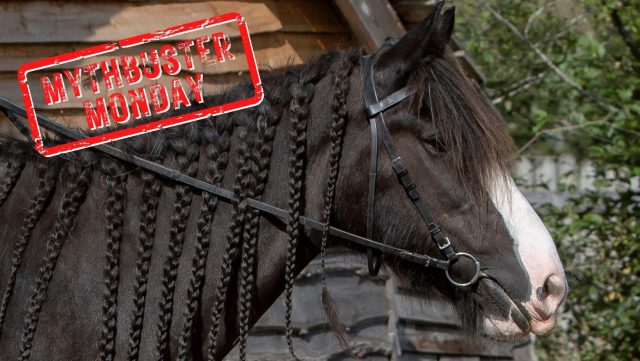
Mythbuster Monday: Using Electrical Tape to Braid Manes Is Better for the Horse’s Hair
On Mythbuster Monday, we tackle a variety of equestrian myths to either bust or confirm. Today’s discussion: Is electrical tape better for a horse’s hair than elastic bands?
It’s Mythbuster Monday, where Horse Nation dives into different equestrian myths and provides research-based evidence to either bust or confirm those myths. Today’s topic: Is electrical tape better for a horse’s hair than elastic bands? Does one damage a horse’s hair more? Is one better for less experienced riders than the other? Read more to find out!
Myth: Electrical tape is better for a horse’s hair than elastic bands
Myth or Fact: Mixed
Canva/CC
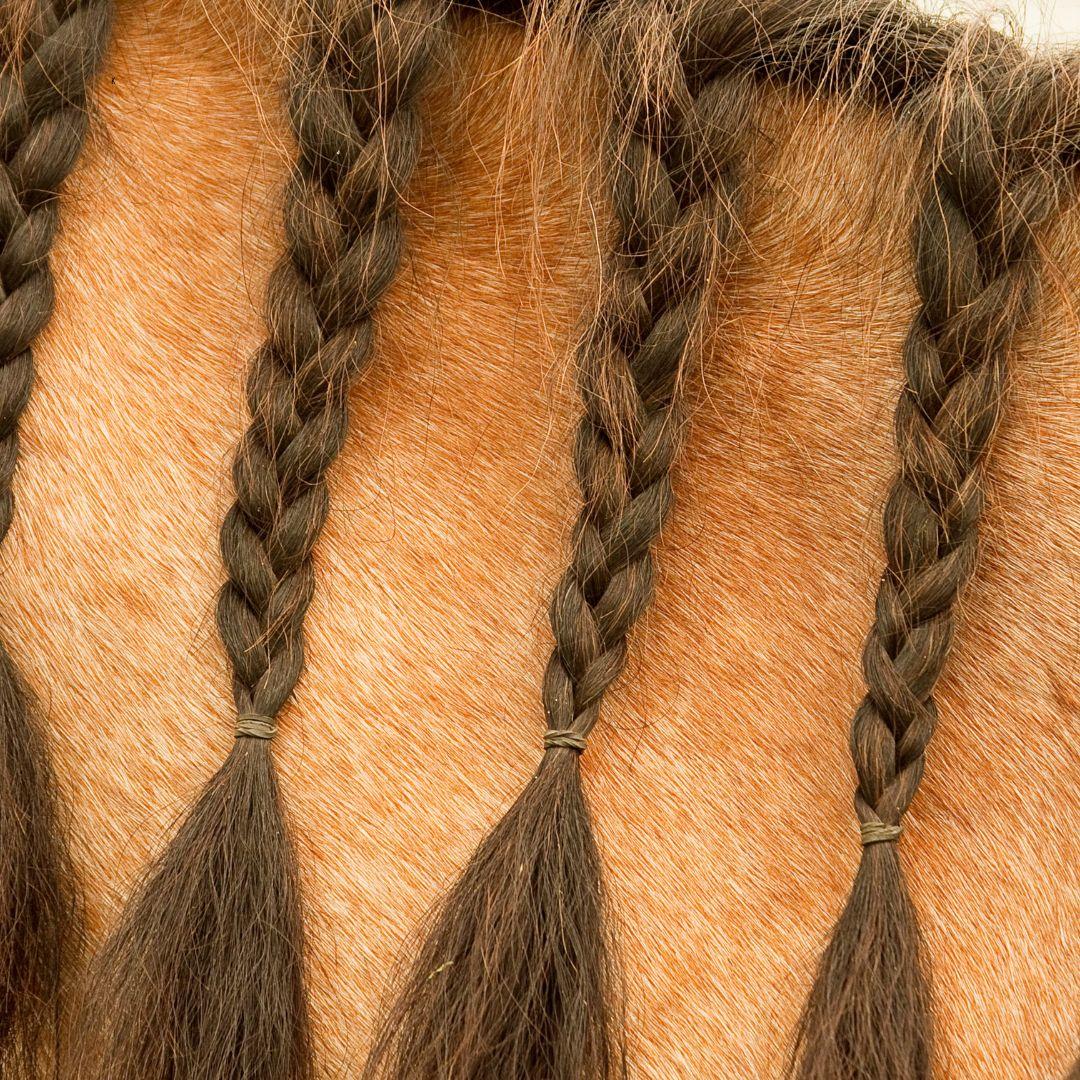
In the world of horse grooming, people are always looking for better ways to keep manes tidy, neat, and show-ready. One tool that’s gained popularity is electrical tape. While traditionally rubber bands have been the go-to for securing braids, more riders are turning to electrical tape. Known for its strong hold and availability in various colors, electrical tape offers a sleek, secure finish that can stand up to movement.
But is it better for the horse’s hair compared to traditional elastic bands?
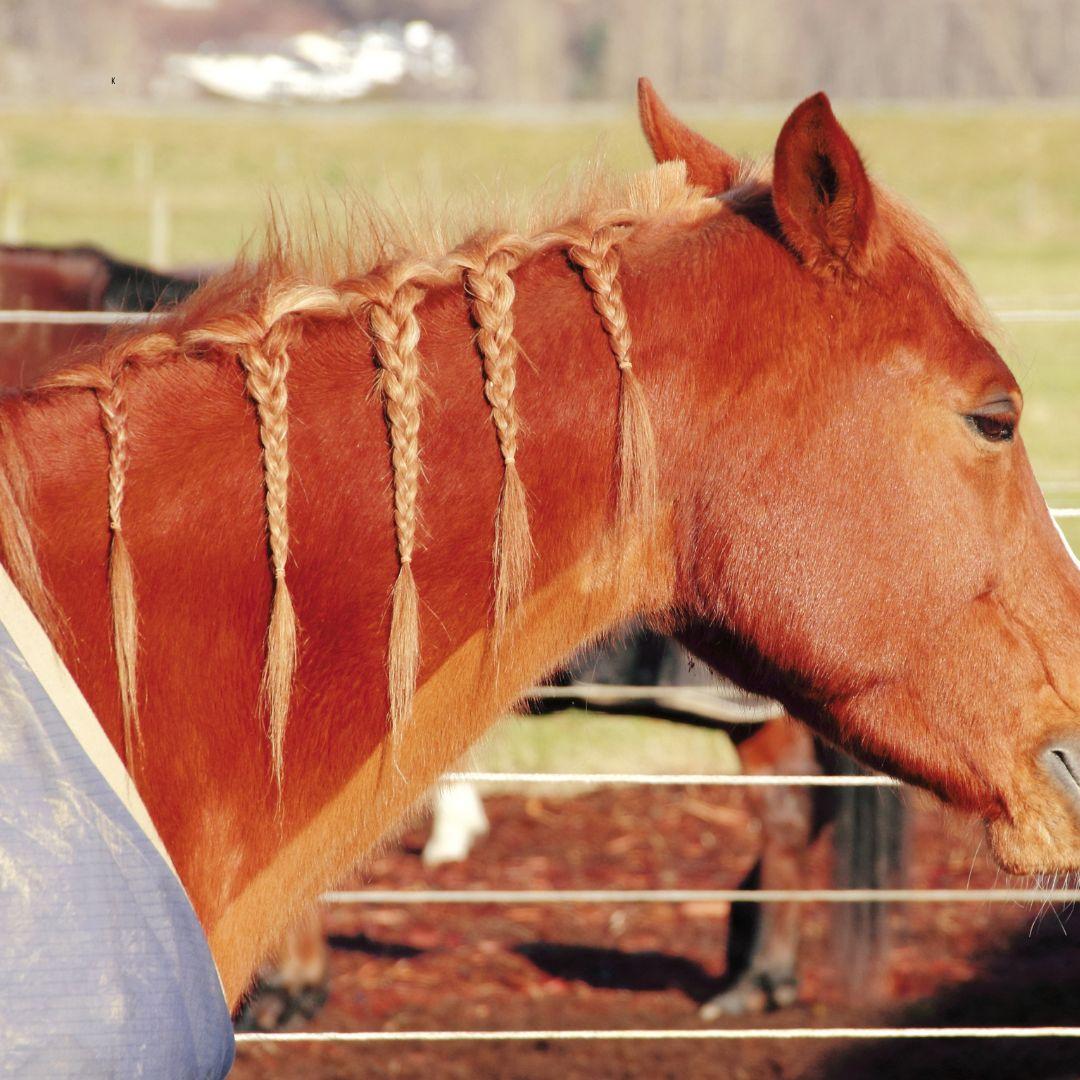
According to an article by SaddleBox, electrical tape offers a gentle alternative to traditional elastic bands when braiding a horse’s mane because it doesn’t cause the same hair damage with repeated use. This makes it an appealing option for riders who want to avoid breakage from daily braiding or ponytails. However, the article also notes that while electrical tape is less damaging, it tends to unravel more easily especially if the horse rubs or moves around a lot. Also, the braids may not stay as tight or secure as those done with elastic bands. Additionally, tape can be more challenging to work with, particularly on horses that won’t stand still, since it requires cutting, wrapping, and careful placement for each braid.
Canva/CC
BioMane writes that black electrical tape is a recommended option for securing braids, because it’s stretchy and pliable, allowing for a tight, secure hold without leaving sticky residue behind. Unlike other types of tape, electrical tape is gentle on the mane. BioMane strongly advises against using thin rubber bands for extended periods, warning that they can cause significant damage by cutting into the hair and potentially removing several inches of mane. Regardless of the method used to secure braids, BioMane recommends removing or redoing them within seven to 10 days to preserve mane health and prevent breakage.
USEF also suggests electrical tape as a better alternative to rubber bands for braiding. They note rubber bands tend to get tangled in the hair and can cause breakage, whereas electrical tape is less damaging because it doesn’t stick to the hair as much and leaves minimal residue. This makes it a more mane-friendly option, especially for horses that are braided regularly or have sensitive hair.
Canva/CC
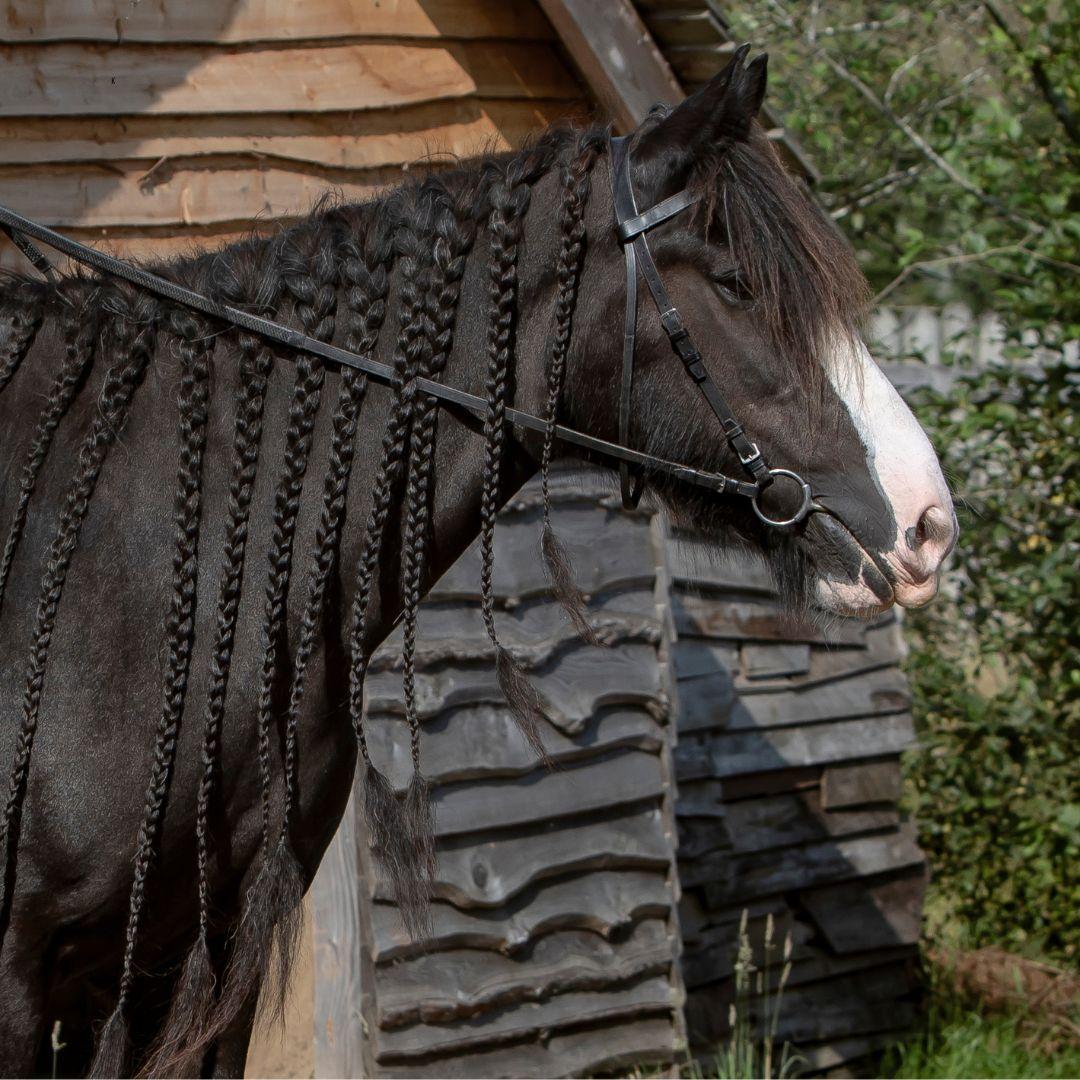
Renae Cowley weighs in and states that since the hair in a horse’s mane is typically delicate, it deserves care and attention when it comes to braiding. She recommends using electrical tape instead of rubber bands, which can pinch and break the hair. Based on her own experience, Renae found that while the electrical tape method requires patience and practice, it can be effective with the right adjustments. Initially using black tape, she encountered sticky residue on her horses’ manes that was difficult to remove. However, she switched to white electrical tape resolving the issue. For those who still prefer rubber bands, she suggests opting for clear no-pull bands as a gentler alternative.
After diving in, electrical tape offers a viable alternative to traditional rubber bands for braiding horse manes. While it may require a bit more practice and patience to use effectively, many equestrians appreciate its ability to secure braids without causing breakage or leaving behind sticky residue. Rubber bands may still have their place in certain show settings or quick fixes, but for long-term mane health, electrical tape is gaining favor as a protective and practical option.
Do you have an equine myth you’d like us to tackle? If so, send it our way! Email your suggestions to [email protected]. Put Mythbuster Monday in your subject line.
