



Improving Your Riding: Your Tension is Your Horse’s Tension
Over time, horses learn to associate certain situations with human tension — like entering the competition arena, riding past a spooky spot, or working on a difficult maneuver — and they begin to anticipate stress because we are.
Riding is more than a physical activity. It’s an emotional exchange. Horses are deeply attuned animals. They don’t just feel the pressure of your legs or the weight of your seat. They feel your heart rate, your breathing, and your frustration. Your tension becomes their tension. Whether you realize it or not, your horse is always reading you. So when your horse feels tense or reactive, the first place to look isn’t always at the horse. Sometimes, it’s you.
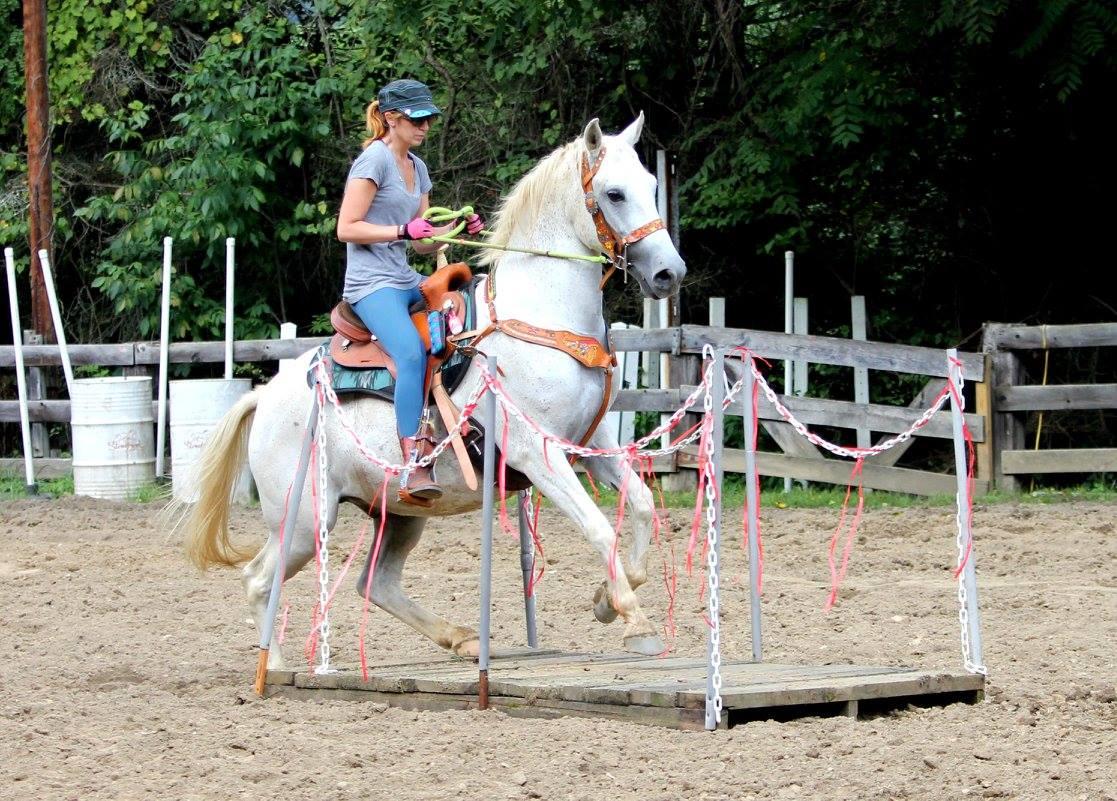
Photo by Marcella Gruchalak
Horses are prey animals with incredibly sensitive nervous systems. Their survival depends on their ability to detect changes in energy, body language, and intention. This means they can feel when you stiffen, hold your breath, grip the reins, or anticipate a problem, even though you’re not saying anything out loud.
When you’re tense, your body locks up. Your seat gets tighter. Your legs may clamp. Your hands may hold the reins in a fixed or overly strong position. You may not even notice it, but your horse does and they mirror it.
A tense rider sends signals that something is off in the environment, even if the horse was calm before. Over time, horses learn to associate certain situations with human tension — like entering the competition arena, riding past a spooky spot, or working on a difficult maneuver — and they begin to anticipate stress because we are.
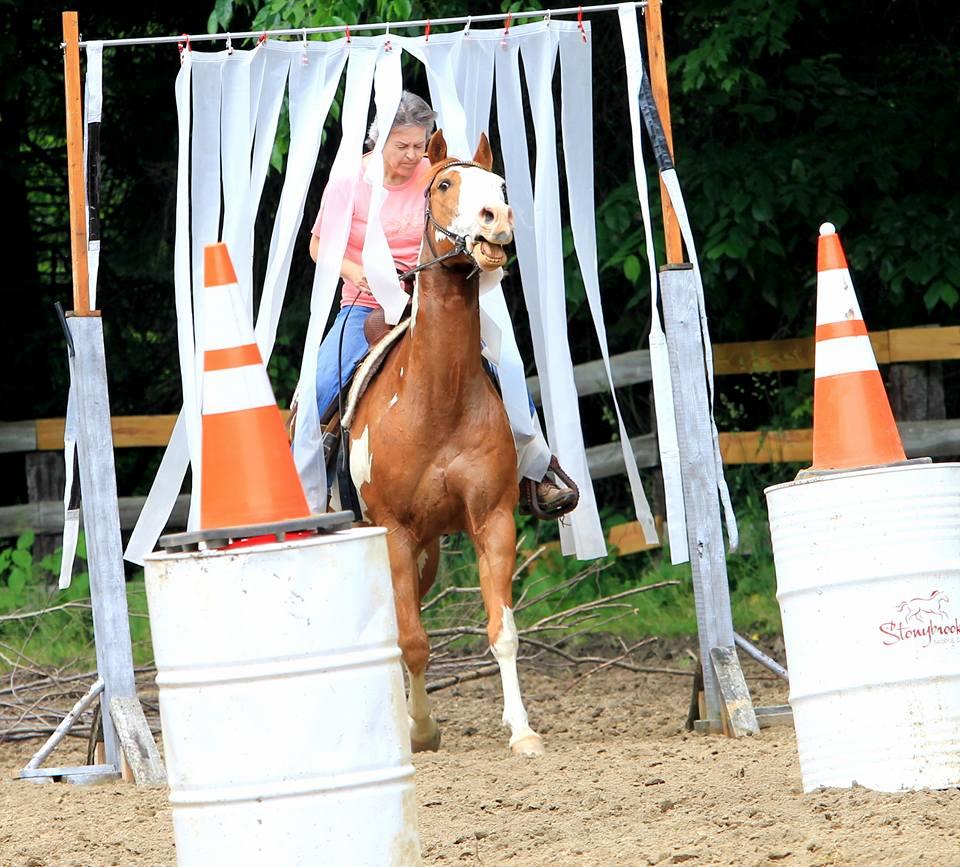
Photo by Marcella Gruchalak
Sometimes, what looks like a horse problem is actually a rider problem reflected back. If your horse exhibits any of these behaviors, it might be your tension causing the response:
- tenses up the moment you mount
- rushes
- gets heavy in the bridle
- braces against contact
- gets reactive or spooky in places where you feel anxious
- shortens their stride
- becomes stiff
- loses rhythm
- fidgets
- pins ears
- won’t stand still when you’re nervous
- seems perfectly fine with other riders but tense with you
Even subtle shifts in your breathing or posture can cue your horse to brace. If you start anticipating problems, like assuming your horse will spook, balk, or resist, they can feel that mental and emotional preparation in your body before you ever give a cue. And once they learn to read that tension as a warning, it becomes a feedback loop.
Canva/CC
Self-awareness is key. Here are a few ways to recognize when you’re carrying tension in the saddle and how it might be showing up in your ride:
- Check your breath. Are you holding it? Shallow, restricted breathing is one of the first signs of both mental stress and physical tension. When you’re anxious or overly focused, you may forget to exhale fully or stop breathing altogether in high-pressure moments like performing in a competition or dealing with a spooky spot. Try consciously taking slow, deep breaths, especially in transitions or when things start to feel tight.
- Scan your body. Do a quick head-to-toe check. Are your shoulders creeping up toward your ears? Is your jaw clenched without you realizing it? Are you sitting stiffly instead of flowing with your horse’s movement? Often, tension shows up as gripping with your legs, locking your elbows, or having rigid hands. These cues not only affect your posture but also send mixed signals to your horse. Aim to soften one area at a time. Start with your face, then your arms, then your seat.
- Notice your thoughts. Are you replaying what could go wrong? Are you bracing for a spook, a stop, or a mistake before it even happens? Mental tension can manifest just as strongly as physical tension, and it has a direct impact on your body language. Being mentally present, focusing on what’s going right, staying curious instead of critical, and riding moment-to-moment, can help reduce performance anxiety and increase connection with your horse.
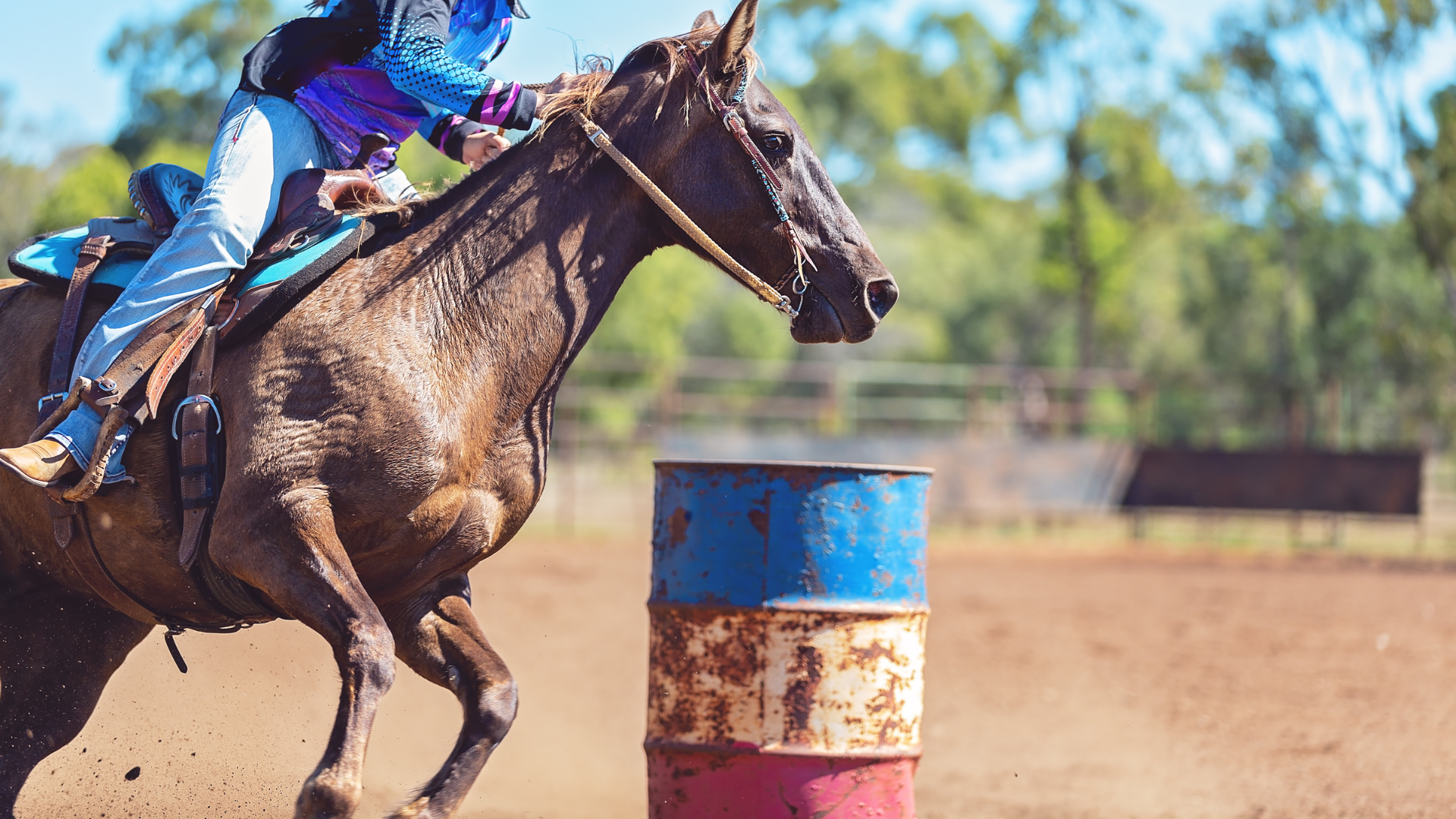
- Watch your horse’s response. Is your normally calm horse acting reactive or distracted? Are they bracing, hesitating, or resisting in ways that feel uncharacteristic? Horses are incredibly perceptive, often mirroring the tension they feel from us. If your horse seems on edge, it may be their way of telling you that you’re holding something in your body or mind that needs to be released. Instead of correcting them first, check in with yourself.
When in doubt, assume they’re picking up on you because they probably are.
Canva/CC
Reducing your tension doesn’t just help your horse, it helps your own enjoyment and safety. Here’s how to improve that flow between you and your horse:
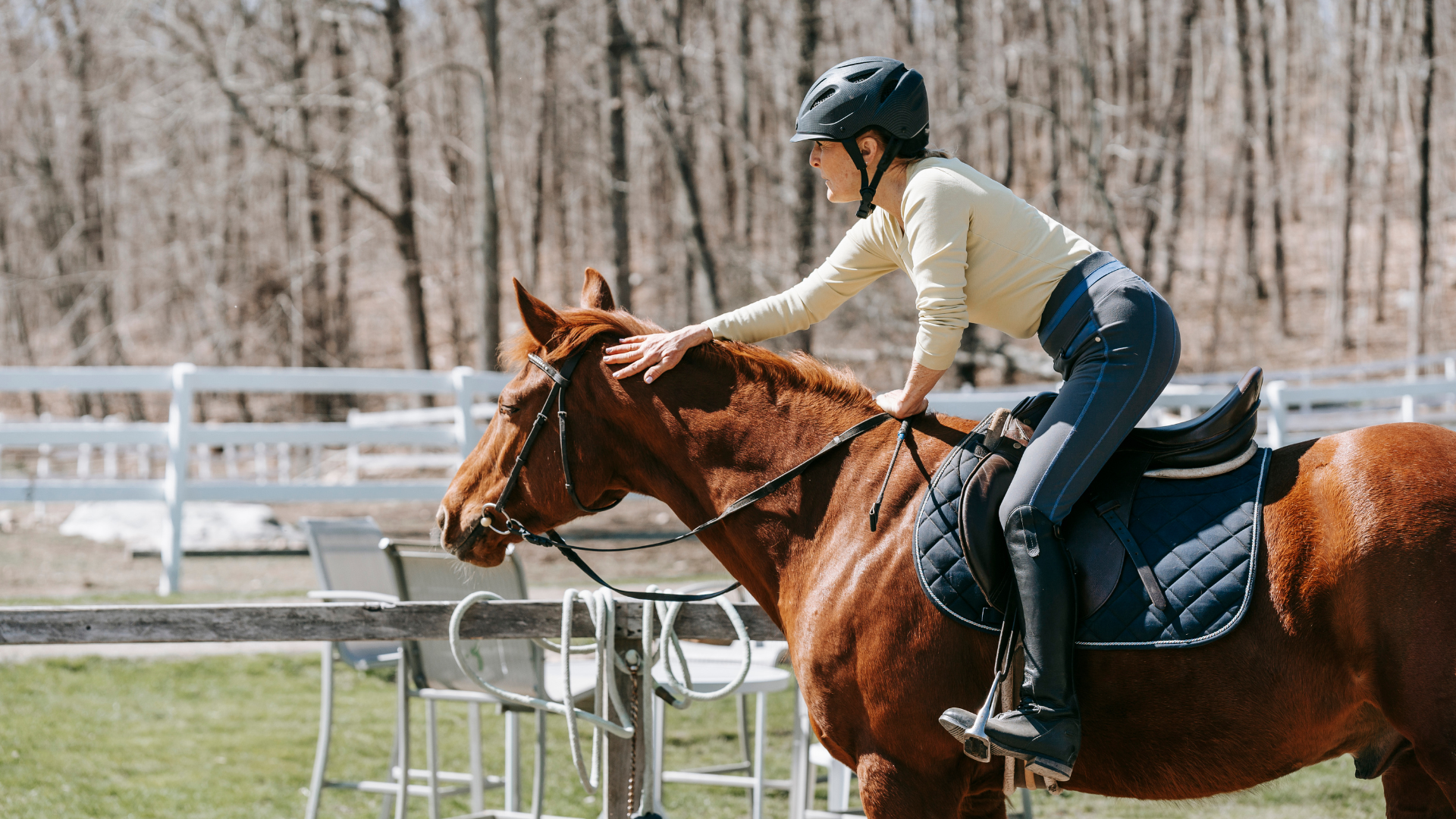
- Breathe on purpose. Take deep, slow breaths through your nose while you ride. Exhale audibly if needed. Your breath is your body’s reset button, and horses will often match your breathing rhythm. It’s one of the fastest ways to calm both of you. I always like to sing, “I’ve been working on the railroad” when I find I’m not breathing.
- Loosen your body intentionally. Roll your shoulders. Wiggle your fingers. Let your hips follow the motion of your horse instead of locking your core. Stretch before you mount. If you’re relaxed, your horse has a reason to stay relaxed. Many of my friends make fun of me because I do a shake that sounds like a turkey call before I run, but, it really loosens my body right before taking off for my run.
- Ride with a soft focus. Stay mentally present without over-focusing on what could go wrong. When your mind is hyper-alert, your body follows. A soft, calm mindset helps you ride with feel instead of fear.
- Practice mindfulness before and during rides. Take a moment before mounting to ground yourself. Breathe, visualize a good ride, and check your energy. This prepares you and sends your horse the message that everything is okay.
- Focus on rhythm and flow. When things feel tense, return to the basics. Go back to the walk. Find your horse’s natural rhythm. Post the trot with softness. Ride circles. Flowing movement helps both bodies settle and reconnect.
- Be kind to yourself. Tension often comes from fear of doing it wrong or pressure to perform. Let go of perfection. Your horse doesn’t need you to be flawless. They need you to be honest, calm, and connected. Ride the horse you have today with empathy, not expectation.
Canva/CC
Your horse is your mirror, sometimes emotionally more than physically. When you carry tension, they feel it, reflect it, and often react to it. But when you show up soft, clear, and calm, they begin to trust that energy and carry it themselves. Learning to regulate your own tension isn’t just about riding better, it’s about leading better. Your calm is their confidence. The more you learn to manage what you bring into the saddle, the more you create a space where your horse can relax, listen, and truly partner with you.
