



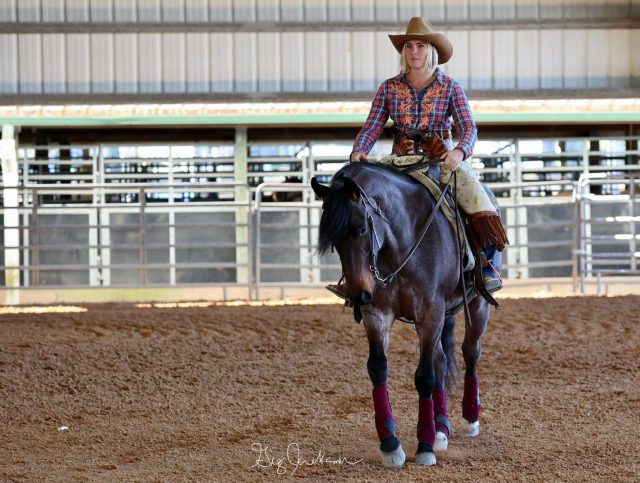
From High School Crushes to Horse Stalls: Rethinking Perfection
The barnyard jock: why I didn’t choose the obvious favorite.
In nearly every barn, there exists a horse that seems to embody the ideal: the one with impeccable conformation, a gleaming coat, an enviable pedigree, and movement so fluid it appears choreographed. In my barn, that horse exists. He is, by all outward measures, the perfect specimen. Yet, paradoxically, he is my least favorite.
He possesses the kind of physical attributes that draw immediate admiration. His papers read like a carefully curated lineage of excellence, each name reinforcing his genetic promise. His build is balanced and correct, a near-textbook example of what breeders strive to produce. His mane falls thick and even, his tail full and striking, and his color catches your eye in a way that demands attention. Under saddle, he moves with precision, each step placed exactly where it should be, each gait smooth, efficient, and mechanically sound.
To the casual observer, and even to many experienced horsemen, he is everything one could want. And that is precisely the problem.
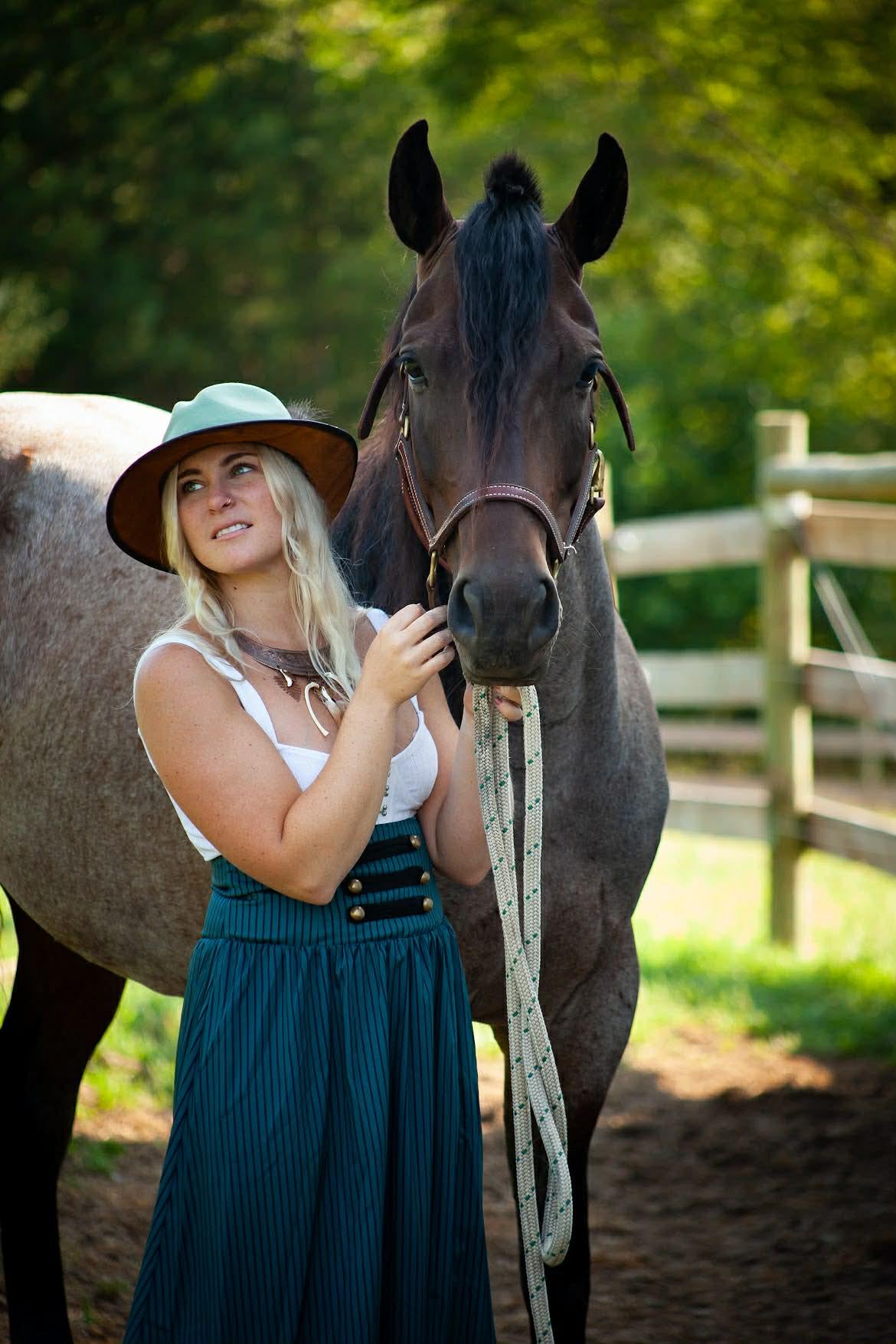
Photo by J Gerard Photography
It never fails: when new people see him, their eyes are immediately drawn to him. They gravitate toward him, their voices lifting with admiration. “He’s stunning,” they say. “He looks like what I like to ride.” They see the surface, the polished exterior that resembles something out of a magazine, and make their choice before ever considering the others.
Meanwhile, the rest of the horses stand there, overlooked. These are the horses who have proven themselves day after day. They are the ones who try despite confusion, who forgive mistakes (or don’t, but teach you something), who offer pieces of themselves in every interaction. They are not always the most visually striking. Some are less correctly built, some carry scars, some require patience before they trust. But they possess something far more significant than aesthetic appeal: they have heart.
The contrast is stark. The “perfect” horse is pleasant and uncomplicated. He performs tasks correctly. Trainers often praise him, citing his ease and correctness. He is described as straightforward and uncomplicated. These are, undeniably, positive traits. Yet the same level of enthusiasm is rarely extended to the others, the horses who challenge, who question, who require time and emotional investment before they reveal their full potential.
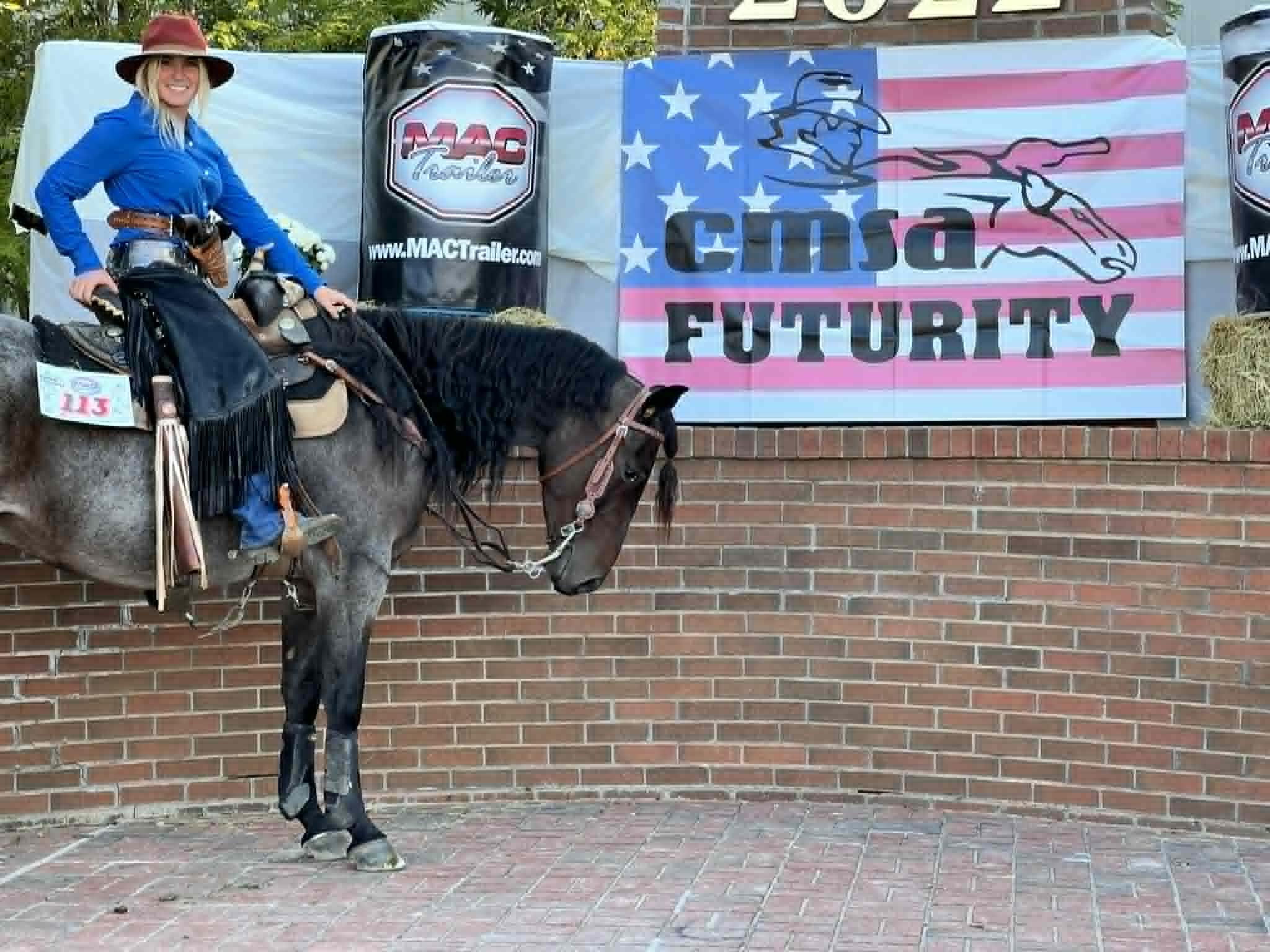
Photo courtesy of Marcella Gruchalak
It is not that the perfect horse has any deficient in his behavior. Rather, he is deficient in impact. There is no depth to the interaction, no sense of growth, no moment where you feel that something meaningful has been exchanged.
This dynamic brings to mind a familiar social analogy: the high school archetype of the admired athlete (the “jock”). The individual who, by virtue of natural ability and favorable genetics, excels with apparent ease. They are admired widely, often placed on a pedestal, and pursued by many. Their appeal is immediate and undeniable, but, admiration is not the same as connection.
Even in high school, I found myself drawn not to the universally admired, but to those who existed outside that narrow definition of perfection. The ones who were unconventional, complex, perhaps even difficult. The individuals who possessed humor, intensity, kindness, or resilience; qualities that required time to uncover and appreciate. They were not always the easiest to understand, but they were the ones who left a lasting impression. The same holds true in the barn.
The horses that shape us are rarely the ones that come effortlessly. They are the ones who challenge our patience, test our consistency, and demand our attention. They teach us how to communicate more clearly, how to listen more carefully, and how to adapt. They force us to grow, not just as riders, but as individuals.
The perfect specimen does none of this. He exists in a state of static excellence, requiring little and offering little beyond surface-level satisfaction. Riding him does not feel like a partnership; it feels like a transaction. The outcome is predictable and the emotional engagement minimal.
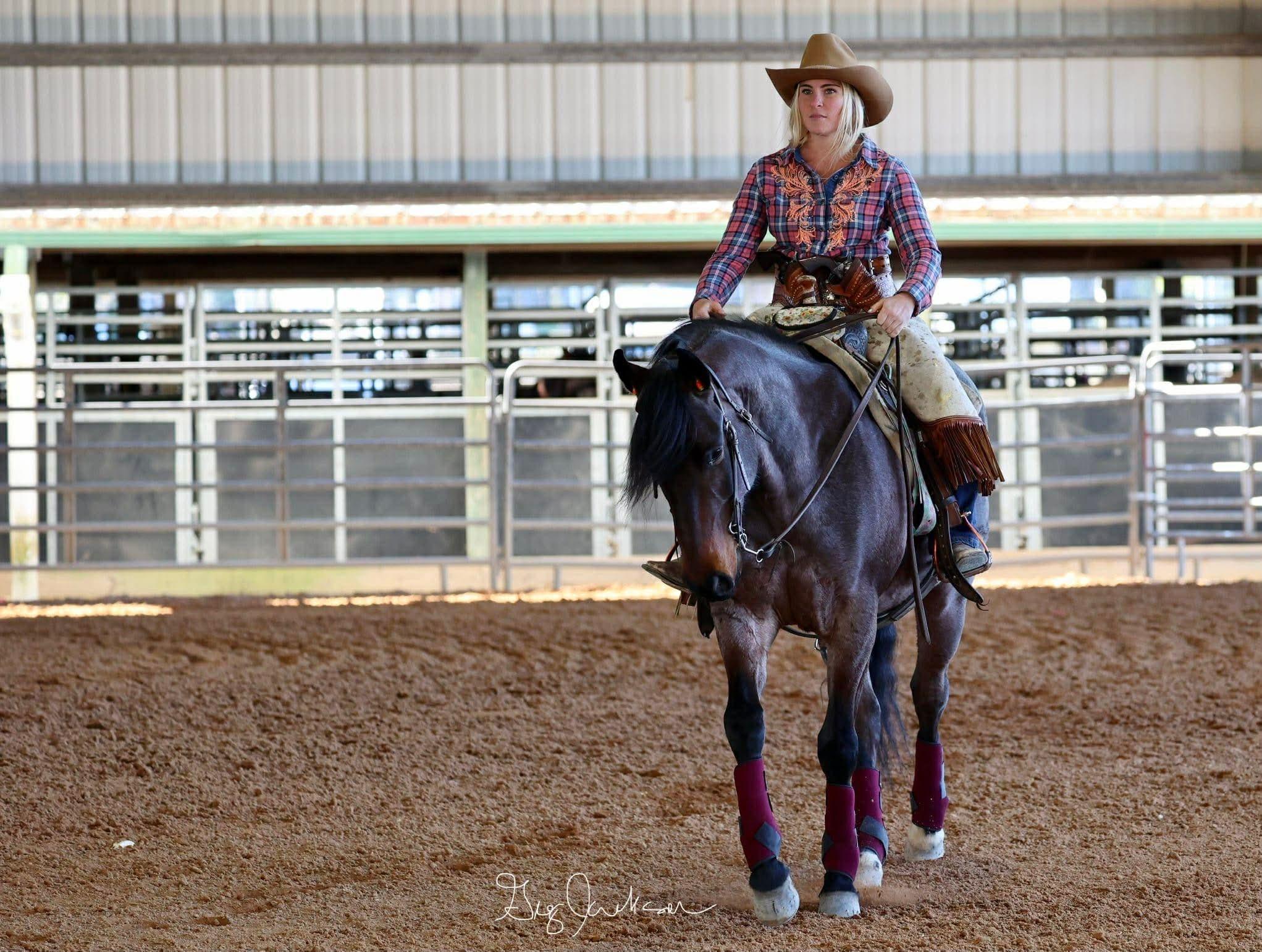
Photo by Mountain Ember Photography
This raises a broader question about values within equestrian culture. Why is so much emphasis placed on appearance and ease, rather than on depth of character and willingness to connect? Why are horses that fit a visual ideal so readily elevated, while those that require time and understanding are often dismissed or undervalued?
Part of the answer lies in human nature. Visual appeal is immediate and easily understood. It requires no effort to appreciate symmetry, color, or movement. Depth, on the other hand, takes time. It requires patience, curiosity, and a willingness to look beyond the obvious. Yet, in prioritizing the superficial, we risk overlooking what truly matters.
While I understand what is needed in an upper level horse, that’s not what most of the equine population needs. A horse’s worth should not be measured solely by how closely it aligns with an idealized standard. It should be measured by its capacity to engage, to try, to connect. The horses that stay with us, the ones we remember long after they are gone, are rarely the flawless ones. They are the ones that made us feel something. The ones that challenged us, taught us, and, in their own way, chose us as much as we chose them.
It is not that beauty has no place. A well-built, aesthetically pleasing horse is undeniably a joy to look at, but beauty, in isolation, is insufficient. When the novelty fades (and it always does), what remains is the substance of the relationship. In that regard, the perfect specimen in my barn falls short.
He is admired, photographed, and requested. He fulfills expectations and confirms assumptions. But he does not inspire. He does not challenge. He does not leave a lasting impression beyond his appearance (at least for me).
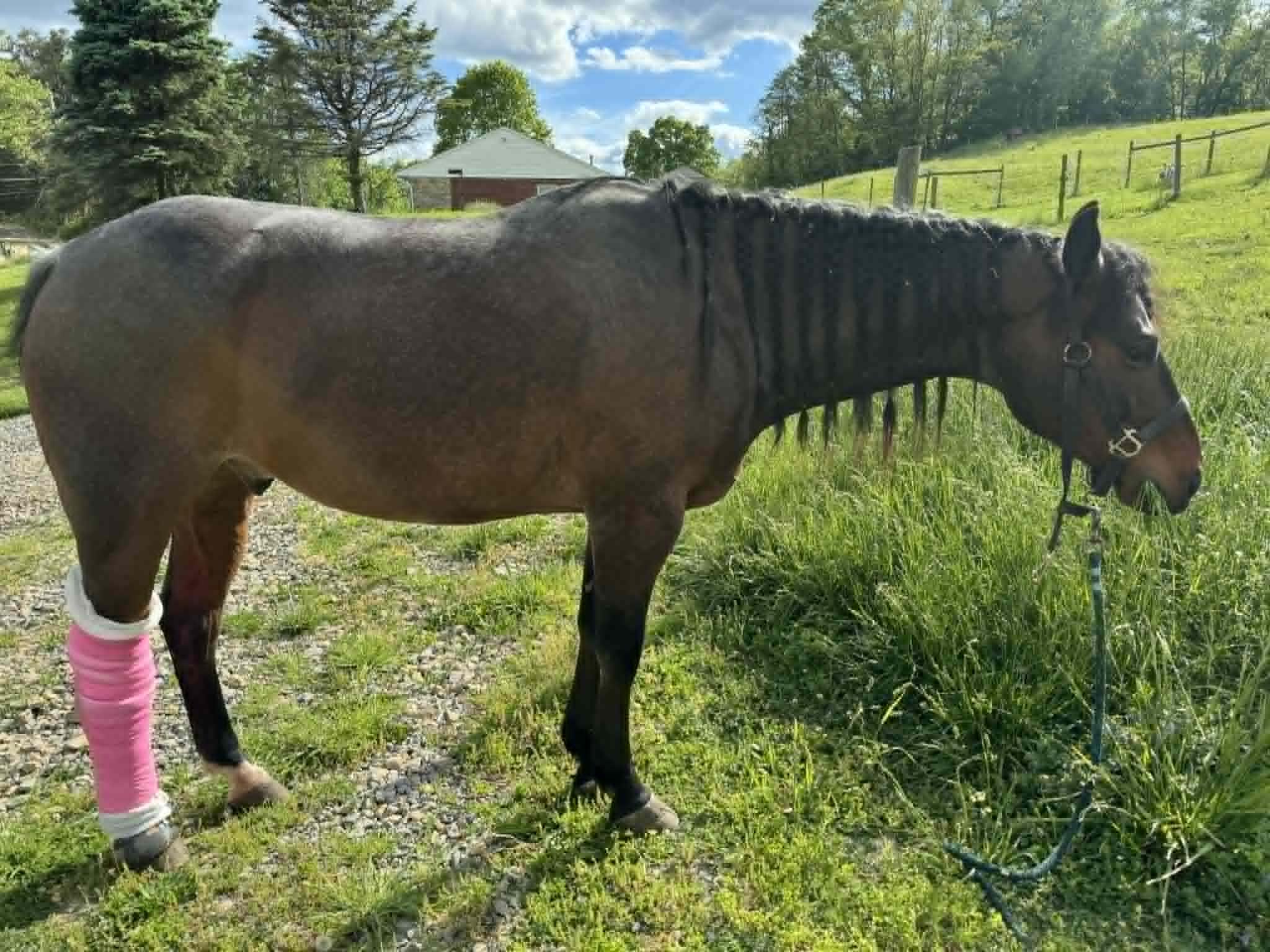
Photo by Marcella Gruchalak
In contrast, the others, the imperfect, the complicated, the deeply individual, are the ones that matter. They are the ones who meet you halfway, who reveal themselves gradually, who make the process worthwhile. They are not always easy, and they are not always beautiful in the conventional sense. But they bring meaning to sport.
It is disheartening to observe how often superficial standards continue to dictate preferences, both in human and equine contexts. The parallels to high school social dynamics are difficult to ignore. Many are still drawn to the equivalent of the “jock,” the one who appears perfect on paper, while overlooking those who offer depth, authenticity, and meaningful connection.
In my world, looks only carry a horse so far. Beyond that, what matters is what lies beneath: the willingness to try, the capacity to trust, and the ability to form a genuine partnership. That is something no pedigree, no conformation score, and no polished exterior can ever guarantee.
