



Mythbuster Monday: Vegetable Oil Decreases the Risk of Colic
On Mythbuster Monday, we tackle a variety of equestrian myths to either bust or confirm. Today’s discussion: Does vegetable oil decrease the risk of colic?
It’s Mythbuster Monday, where Horse Nation dives into different equestrian myths and provides research-based evidence to either bust or confirm those myths. Today’s topic was sparked by a social media debate: Does vegetable oil decrease the risk of colic? Is mineral oil more effective?
Read on to find out!
Myth: Vegetable oil decreases the risk of colic
Myth or Fact: Myth
Canva/CC
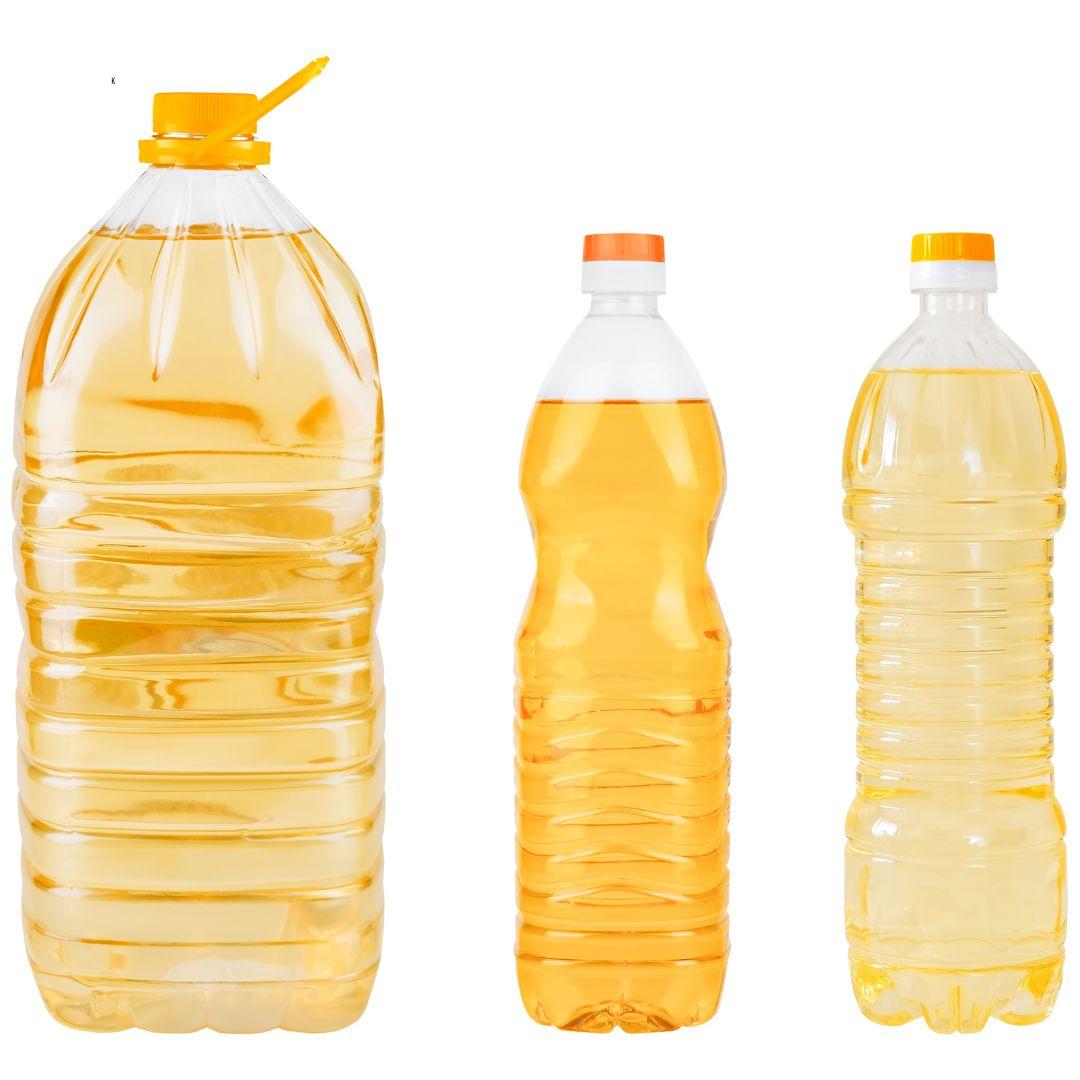
Vegetable oil is a type of fat extracted from plants, commonly from seeds, nuts, or fruits such as soybeans, corn, canola, or sunflower seeds. It is composed primarily of triglycerides, which are molecules made of glycerol and fatty acids, making it a highly energy-dense food source. In animal nutrition, vegetable oil is valued for its high caloric content, digestibility, and ability to provide essential fatty acids that support overall health. The production of vegetable oil typically involves cleaning and crushing the plant material, extracting the oil either mechanically or with chemical solvents, and then refining it to remove impurities, odors, and flavors. This process results in a versatile oil that can be used as a dietary supplement for animals.
Colic in horses is a general term used to describe abdominal pain, and it can range from mild digestive upset to life-threatening intestinal obstruction. It is one of the most common emergencies in equine care and can be caused by a variety of factors, including changes in diet, dehydration, intestinal blockages, or abnormal gut motility. Symptoms often include pawing at the ground, rolling, restlessness, sweating, and decreased appetite. Many cases require immediate veterinary attention, sometimes surgical intervention is indicated, and in the case of obstructions or torsions, euthanasia may be the most humane option. Understanding the nature of colic and the ways to support a horse’s digestive health is essential for horse owners in preventing and responding to this potentially serious condition.
But, does vegetable oil decrease the risk of colic?
Canva/CC
Research on equine colic highlights that the health of a horse’s gut and the balance of its microbial population play a major role in digestive wellbeing. A recent review on short-chain fatty acids (SCFAs) and anti-inflammatory pathways explains that these compounds, produced when gut bacteria ferment fiber in the hindgut, are essential for maintaining intestinal health and preventing digestive upset. Diets that support SCFA production — typically high in forage and fiber — help maintain a healthy microbial balance and reduce factors that can contribute to colic.
Vegetable oil, however, is mostly absorbed in the small intestine and does not reach the hindgut in significant amounts. Because of this, it has minimal impact on the microbial fermentation processes that produce SCFAs or on the intestinal environment linked to colic risk. While vegetable oil can safely add calories and essential fatty acids to a horse’s diet, current scientific evidence does not show that feeding vegetable oil decreases the risk of colic. Instead, colic prevention is most strongly associated with consistent, high-fiber diets and overall digestive management, rather than supplemental oils.
Canva/CC
A long-term feeding study examined the effects of supplementing Thoroughbred horses’ diets with high levels of vegetable oil, either saturated or unsaturated, over several months. The research primarily measured metabolic and performance outcomes, such as energy utilization and overall health markers, rather than colic incidence. The results showed that vegetable oil could be safely added to a horse’s diet without causing harm, supporting its use as a calorie-dense energy source.
Importantly, the study did not find evidence that vegetable oil reduces the risk of colic. Although oil can provide additional energy and essential fatty acids, it is absorbed mostly in the small intestine and does not directly influence hindgut microbial balance or digestive processes associated with colic. This makes the study useful in debunking the common belief that feeding vegetable oil is a preventative measure for colic: it can be safe and beneficial nutritionally, but it does not prevent colic.
Canva/CC
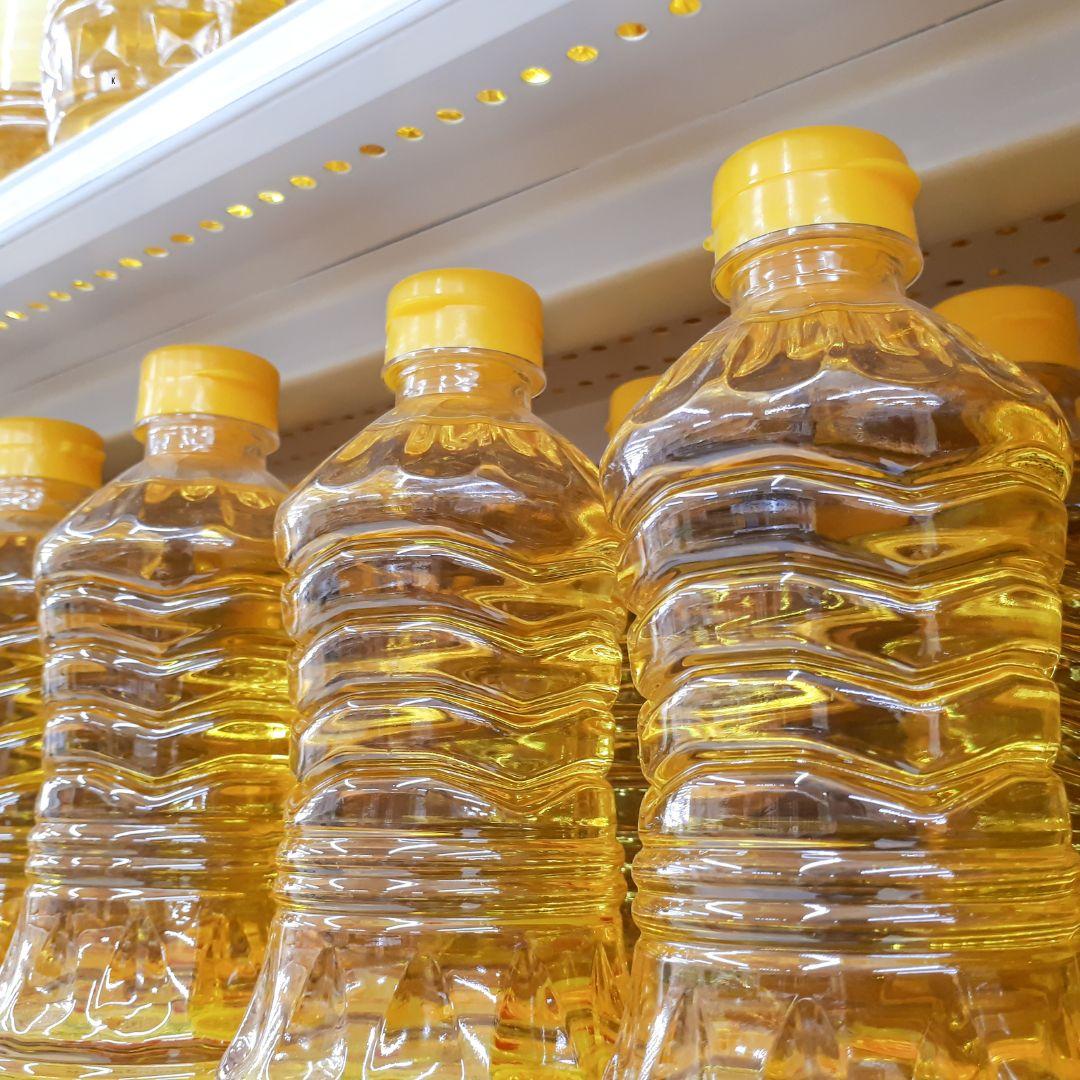
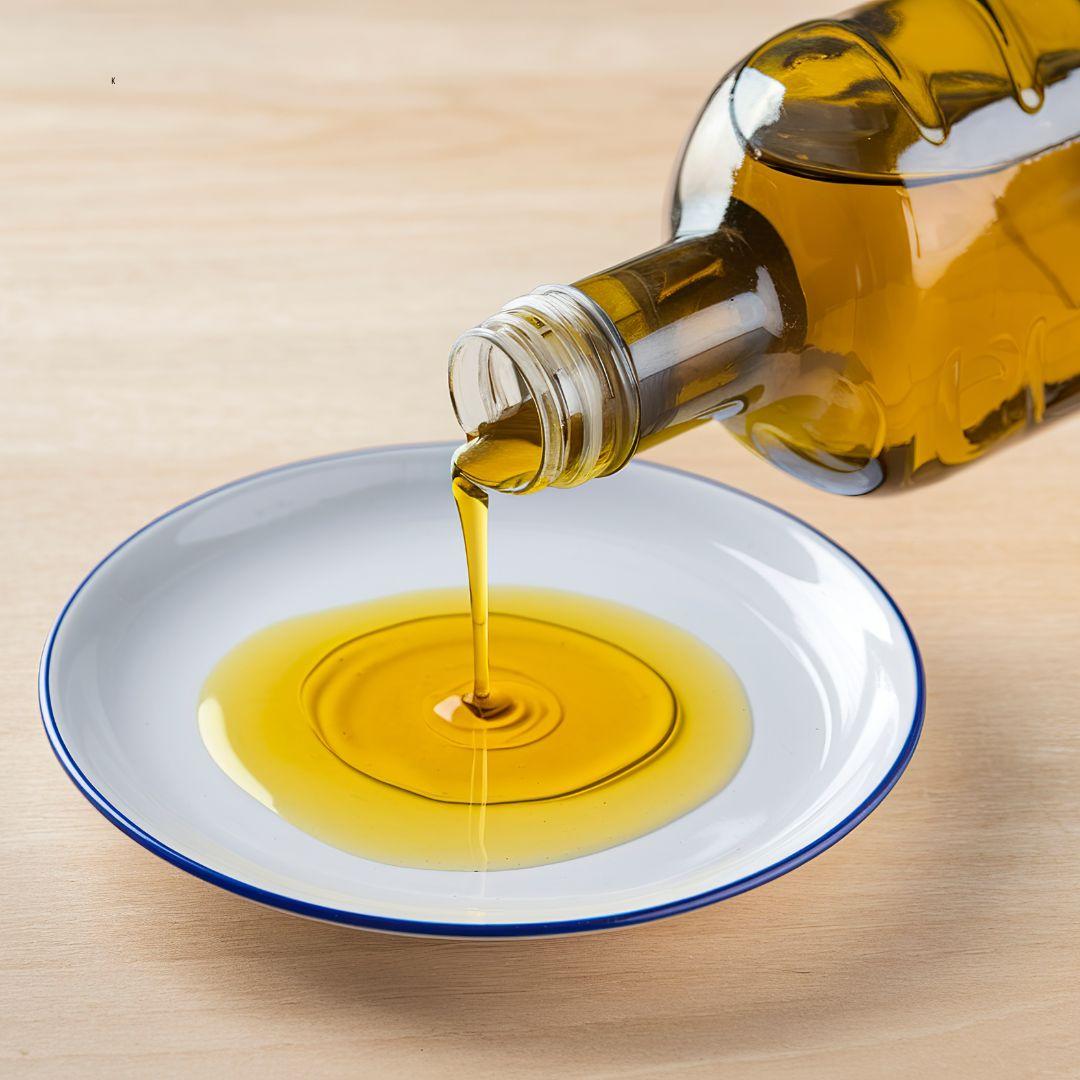
Research on equine nutrition shows that high-starch diets, typically from large amounts of grain, are linked to disruptions in gut microbial balance, which can increase the risk of colic. Some dietary strategies replace a portion of the starch with fat, such as vegetable oil, to provide the same calories while reducing starch intake. While this approach can indirectly lower digestive stress by decreasing starch fermentation in the hindgut, it’s important to note that vegetable oil itself is not protective against colic. The oil is absorbed primarily in the small intestine and does not directly influence the microbial processes or SCFA production in the hindgut that are central to colic prevention. Adding oil may help reduce starch in the diet, its role is as a calorie replacement, not as a colic-preventing supplement. Managing fiber, starch, and overall digestive health remains the key factor in reducing colic risk.
Canva/CC
These three sources collectively debunk the myth that feeding vegetable oil decreases the risk of colic in horses. Across scientific research and practical observation, a consistent theme emerges: vegetable oil provides a safe, calorie-dense energy source and can be used to replace starch in the diet, but it does not directly influence gut microbial balance or digestive processes that cause colic. One study demonstrated that long-term supplementation of vegetable oil had no adverse effects on metabolic health or performance, but it did not reduce colic incidence, showing that oil is safe but not protective. Research on gut health emphasized the importance of fiber and short-chain fatty acids in maintaining hindgut balance, highlighting that dietary fat is absorbed before it reaches the hindgut and therefore cannot alter the microbial environment associated with colic risk. Finally, while reducing dietary starch by replacing some grain with oil may indirectly lessen digestive stress, colic prevention depends on overall dietary management, including consistent fiber intake and hydration, rather than oil supplementation alone. Together, these sources reinforce that vegetable oil is a nutritional tool, not a guaranteed safeguard against colic.
Do you have an equine myth you’d like us to tackle? If so, send it our way! Email your suggestions to [email protected]. Put Mythbuster Monday in your subject line.
