



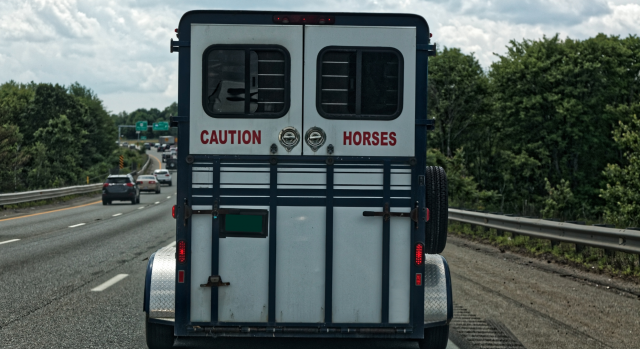
Mythbuster Monday: Horse Trailers Under a Certain GVWR Do Not Need State Inspection
Let’s go ahead and bust this one wide open, because this myth is not just wrong, it’s the kind of wrong that can cost you money, citations or worse, your horse.
Usually we publish a Mythbuster Monday every other week, but we’re throwing out a bonus one this month. Why? Because it’s spring, horse show season is ramping up, and I start twitching every time I hear someone say they didn’t get their horse trailer inspected because it was “so light it didn’t need to be inspected.”

Myth: If your horse trailer is under a certain gross vehivle weight rating (GVWR)/ doesn’t have electric brakes, you don’t need a state inspection.
Myth or Fact: Myth
This myth usually comes from a kernel of truth: some states tie inspection requirements to weight or braking systems. For example, certain regulations may exempt lighter trailers (for instance, those under 3000 lbs when loaded) or those without electric brakes from formal inspection programs.
But here’s where people get it mixed up: Those exemptions don’t mean your trailer is “good to go” without a state inspection — especially when hauling live animals.
Across multiple state DOT and safety guidelines, there are a few consistencies:
- Trailers must meet safety equipment standards (brakes, lights, tires, structure)
- Many states require brakes over certain weights (often ~3,000 lbs)
- And when those systems are present, they must be maintained in safe operating condition
In Pennsylvania alone (the location of HN HQ), trailers over 3,000 lbs must have functioning brakes and are subject to inspection standards.
So while the paperwork requirement may vary, the expectation of safety does not.
And once you’re hauling livestock? The bar gets even higher.
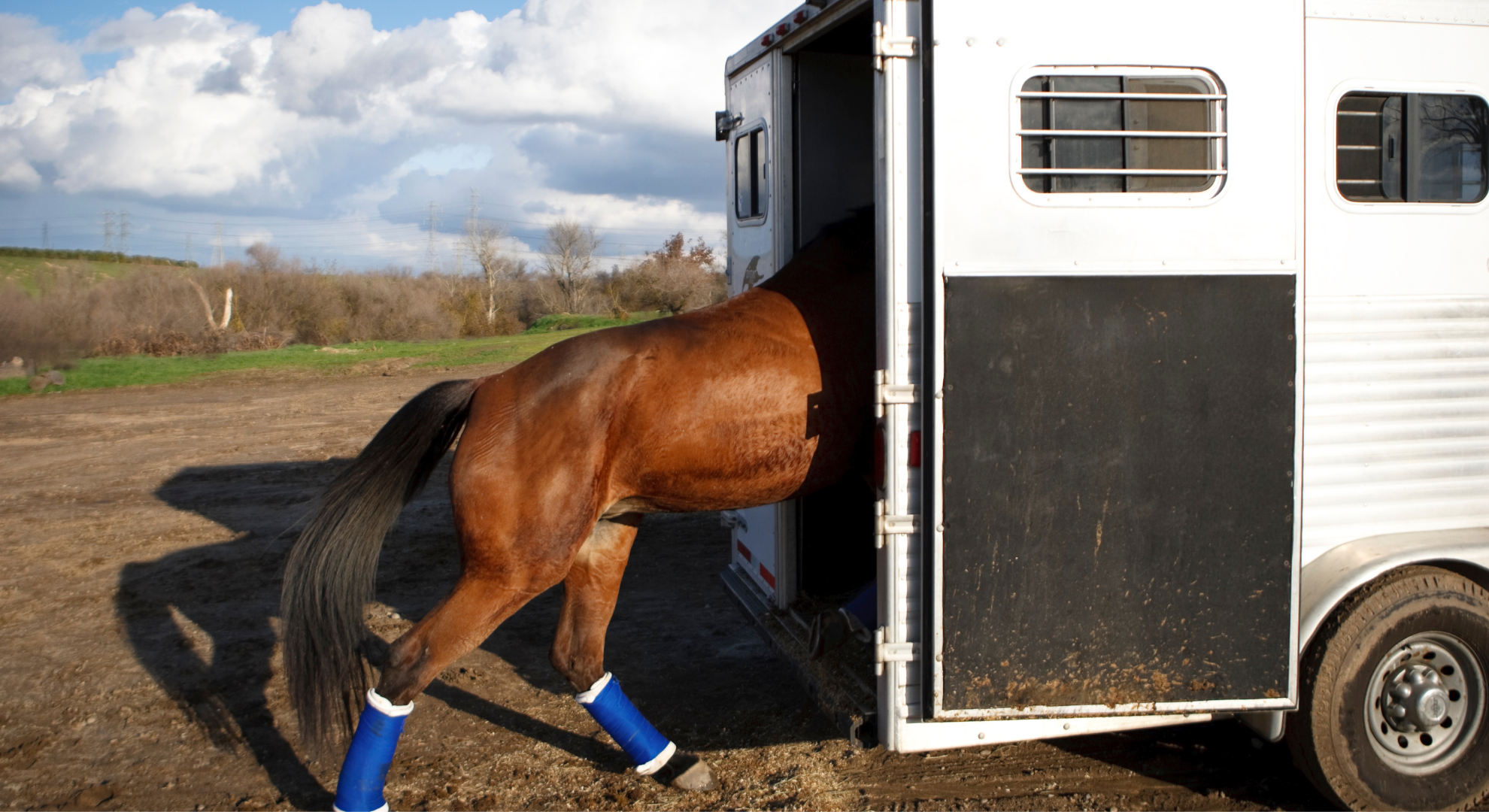
Canva/CC
Livestock Changes the Equation
Here’s the part people ignore: A utility trailer hauling mulch and a trailer hauling your horse are not the same thing (legally or ethically).
State transportation and agricultural safety guidance consistently emphasize:
- Proper braking systems
- Structural integrity (floors, dividers, doors)
- Safe loading/unloading design
- Regular inspection of all systems
Because when you’re hauling live animals, equipment failure isn’t just inconvenient, it’s catastrophic.
Beyond State Requirements
If your trailer loses a wheel, blows a tire, or fails to stop:
- Your horse doesn’t understand what’s happening
- Your horse can’t brace like a human passenger
- Your horse is depending entirely on you to get them there safely
And no officer is going to care that you thought your trailer was “under the limit.”
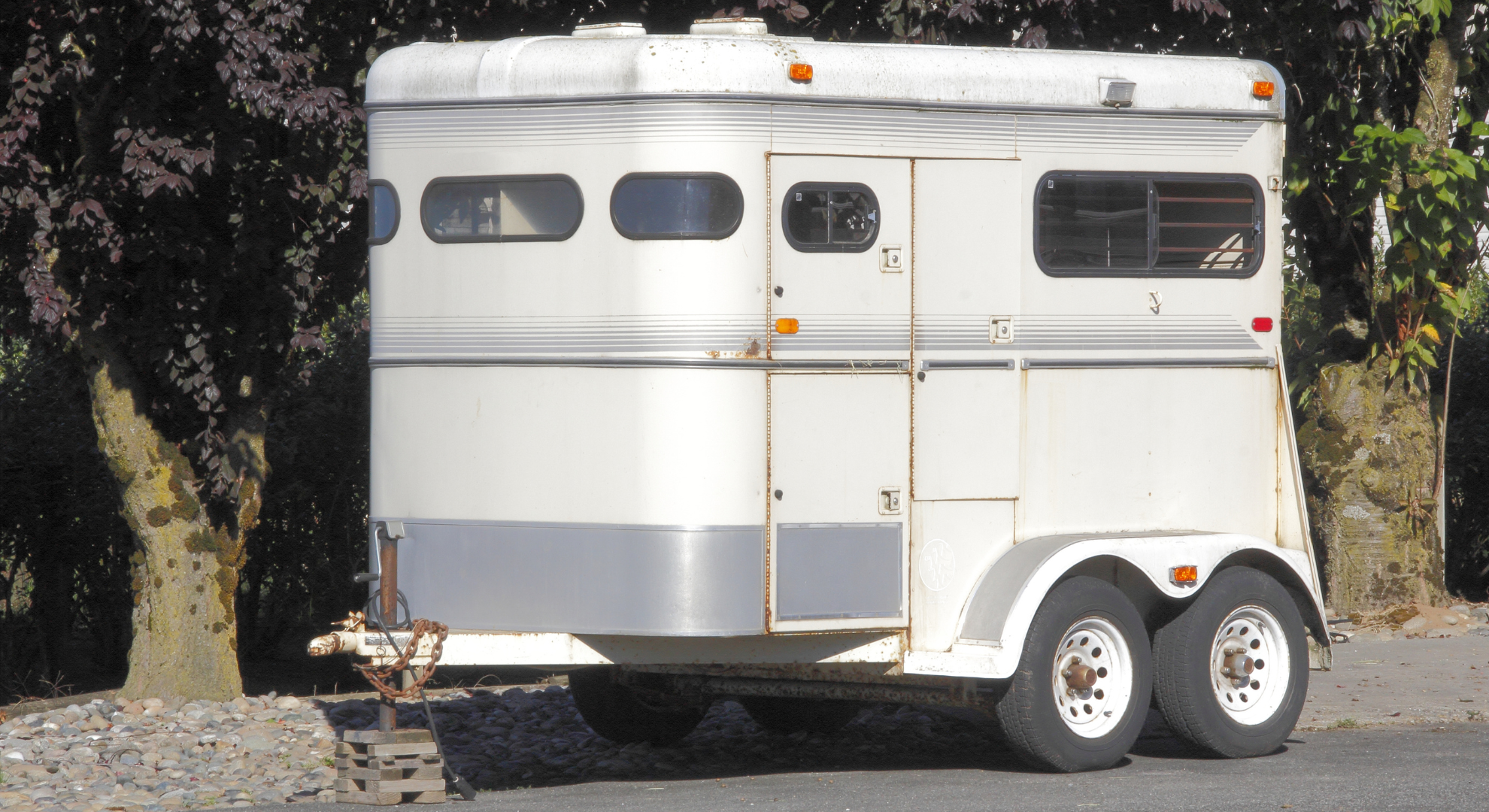
Canva/CC
Maintenance Isn’t Optional (Inspection or Not)
Even in states with minimal inspection requirements, experts still recommend routine checks of:
- Brakes and brake wiring
- Tires (including age, not just tread)
- Floor integrity
- Hitch, chains, and breakaway systems
- Lights and electrical connections
Because the reality is this: Skipping inspections doesn’t eliminate risk, it just hides it.
Let’s bring it back to what we all know but don’t always put into action when making choices regarding our trailers. Our horses represent so much:
- Years of training
- Thousands (okay, tens of thousands) in vet, farrier, and feed bills
- Early mornings, late nights, and everything in between
- And, for a lot of us, something way deeper than money
Yet, somehow, the thing we put them in to travel at 60+ mph down the highway is the thing some folks approach with a “probably fine” mentality.
That math doesn’t add up.
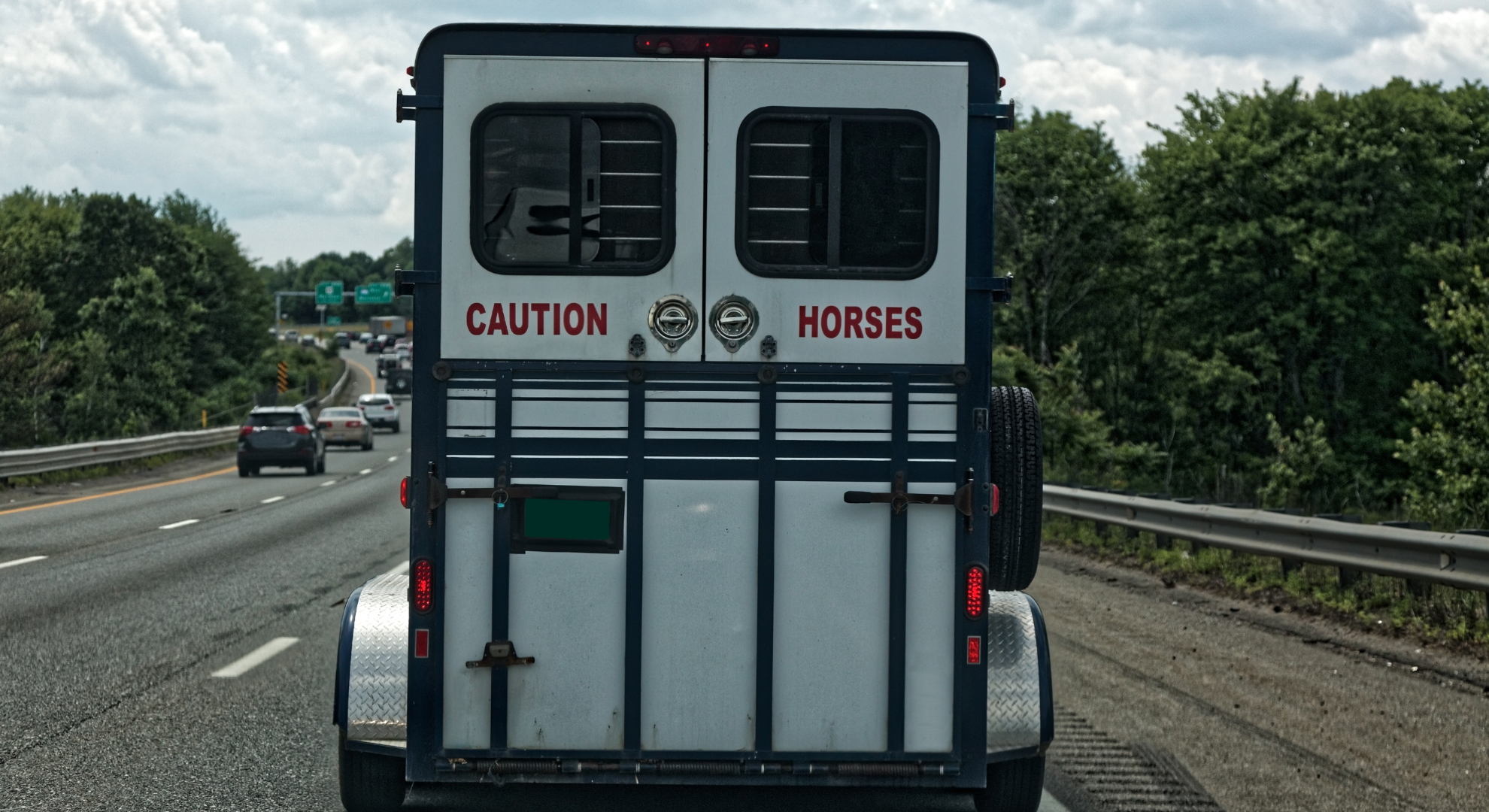
Canva/CC
Going back to the myth, here’s the reality:
- Yes, inspection laws vary by state
- Yes, some trailers fall into gray areas based on weight or brakes
- No, that does NOT mean your trailer doesn’t need to be inspected and maintained
If you haul horses, your standard shouldn’t be “Is this legally required?” It should be “Is this as safe as I can possibly make it?”
Because your horse doesn’t get a say in the matter.
Go riding (but go safely).
