



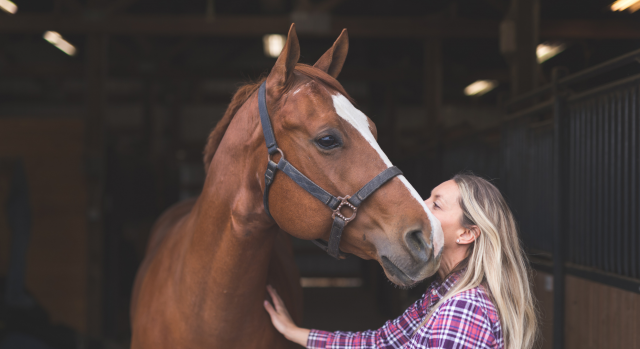
Women’s History Month: The Rise of the Amateur Female Competitor
Full-time job, part-time rider, full-time commitment
Canva/CC
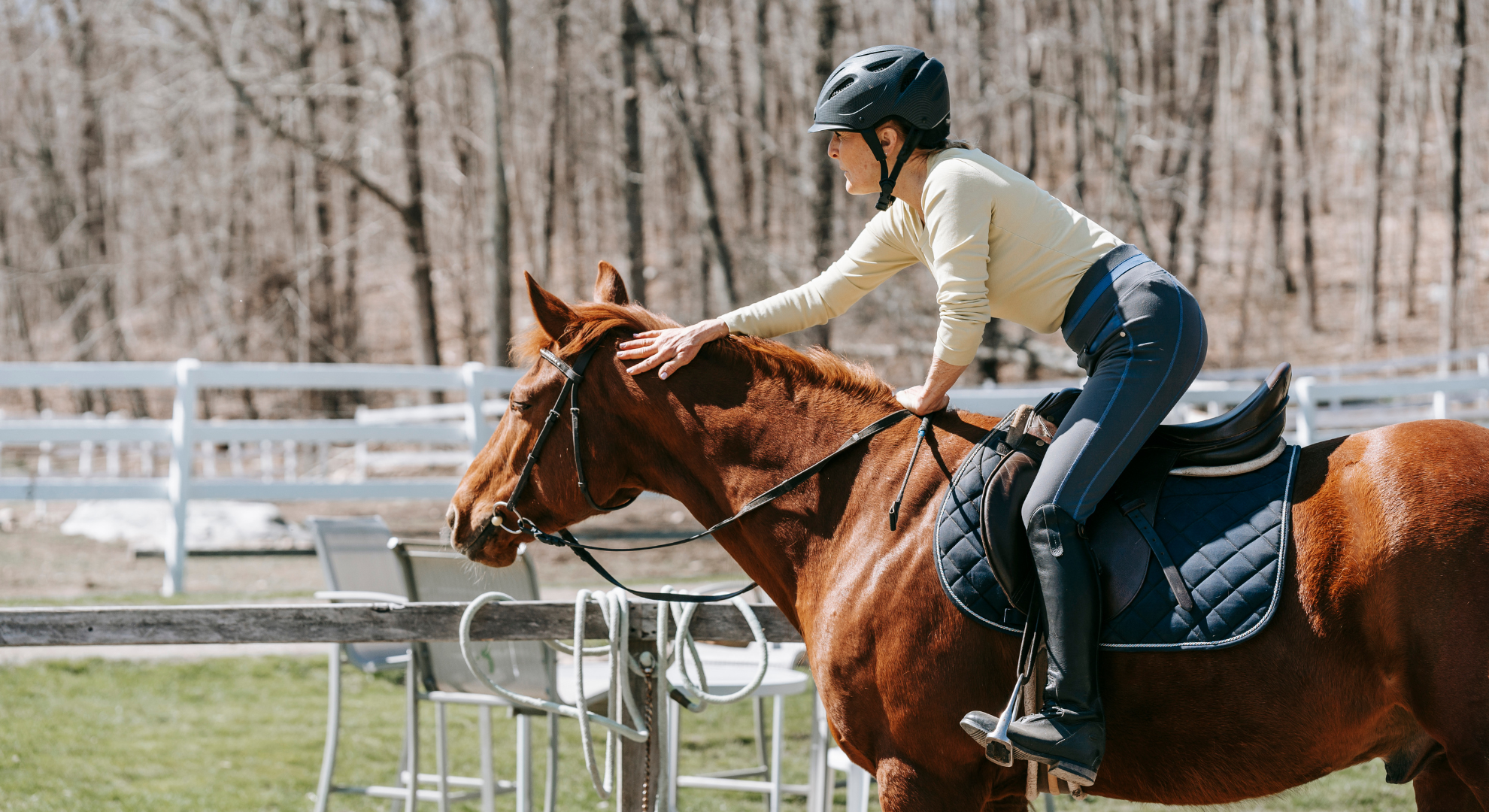
She clocks out of work at 5:00 p.m., changes in the barn aisle, rides in between all the other commitments of home and office, and still somehow makes it to the show ring on the weekend looking like she has it together.
If that sounds familiar, it’s because it is.
The modern equestrian world, especially at the amateur level, is increasingly built on the backs of women who are doing all of it: careers, families, finances, and horses. And although that’s always been part of the horse girl narrative, what’s changed is the scale.
This isn’t a niche anymore. It’s the norm.
They’re Not Just Riding; They’re Competing
Canva/CC
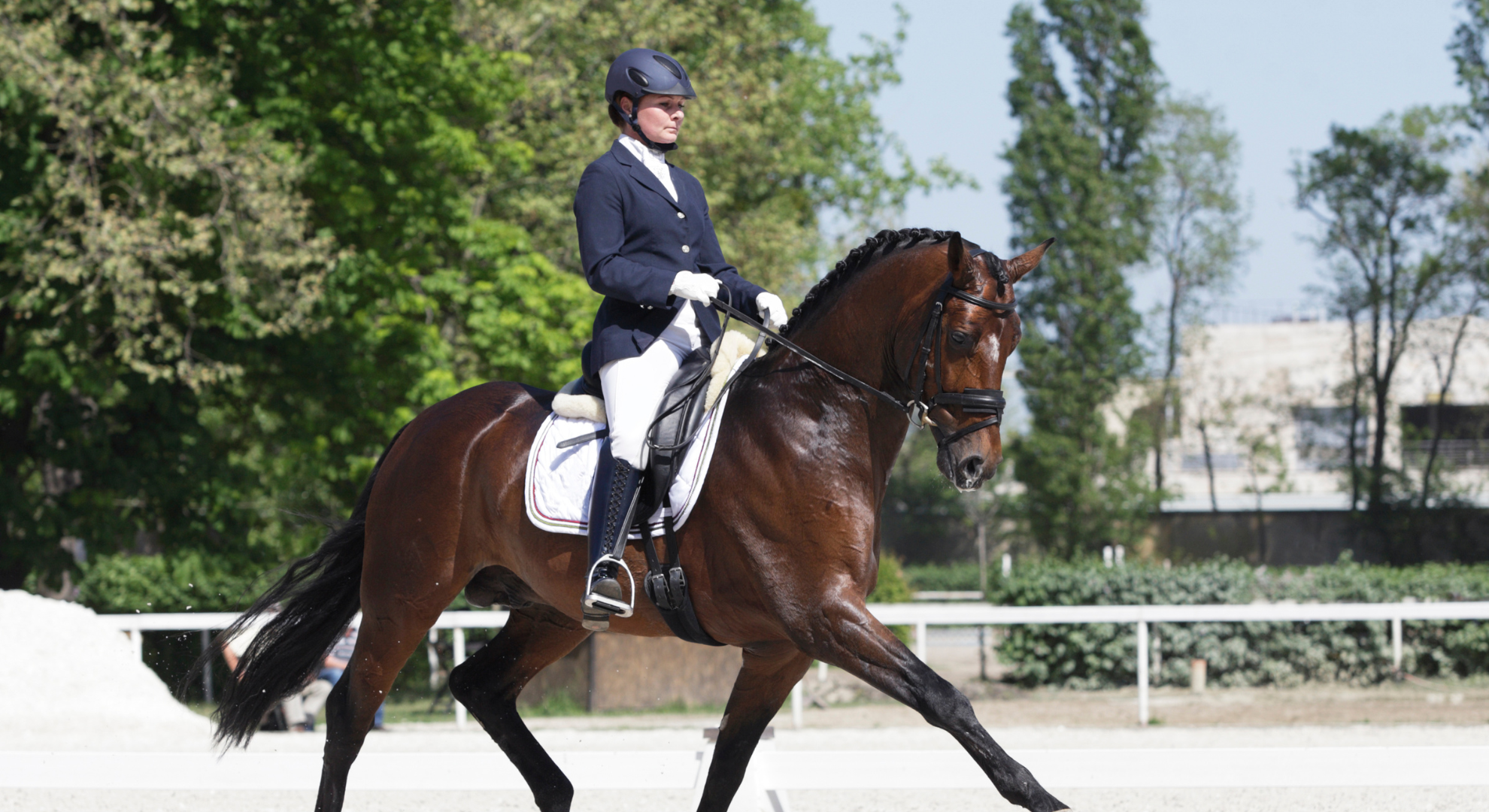
Let’s start with the reality: equestrian sport is overwhelmingly female.
Studies and industry data consistently show that women dominate participation. In some riding populations, upwards of 88–95% of participants are women , and in the U.S., approximately 92.6% of horse owners are female . Even at the competitive level, women make up the majority in many disciplines — over 80% in dressage and more than 70% in eventing globally .
And here’s the key point: most of those women are not professionals.
They’re amateurs. And they’re competing anyway.
The Double Life: Career Woman, Barn Rat
Canva/CC
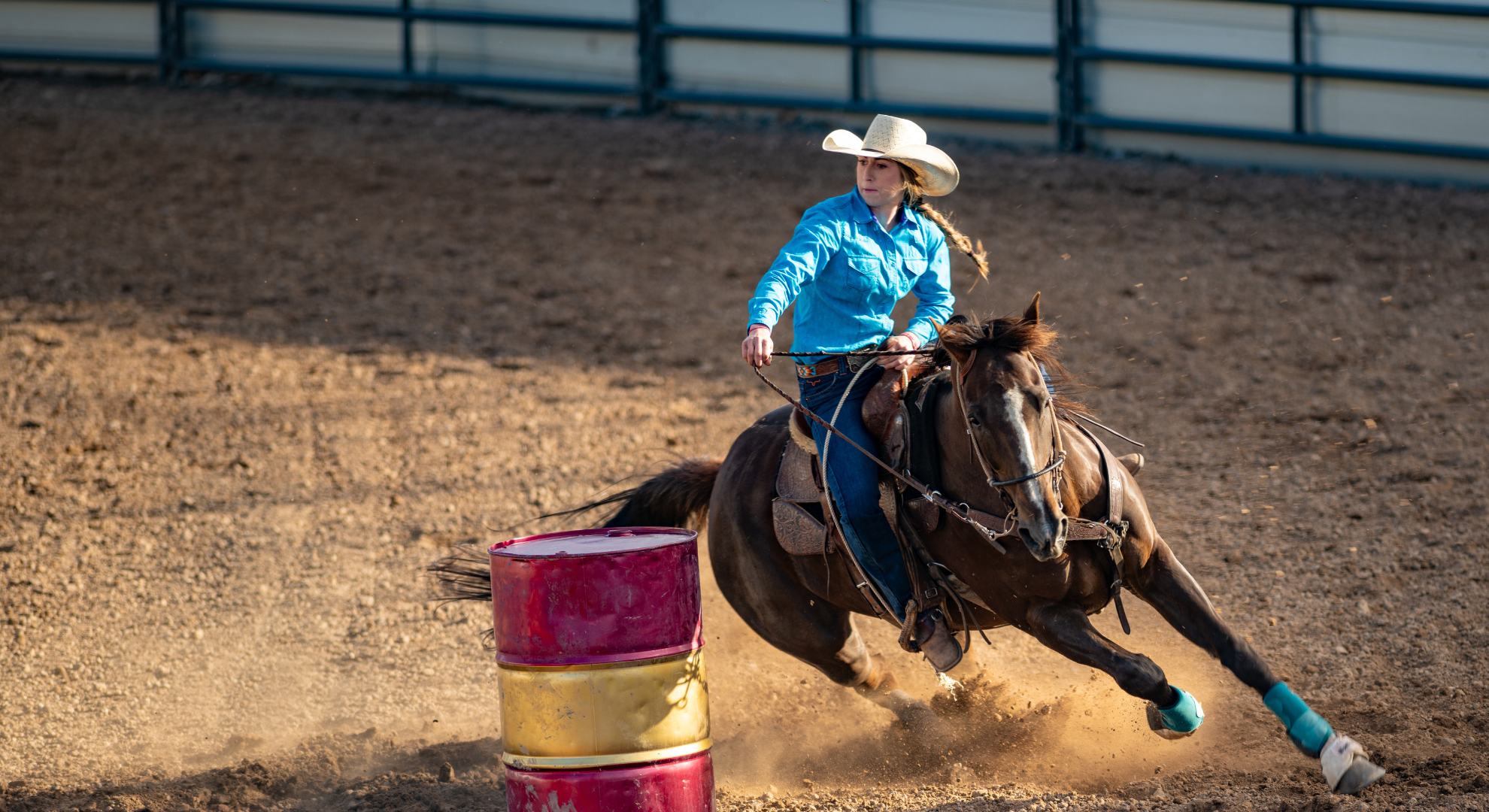
Unlike many sports, equestrian competition doesn’t require you to go “all in” professionally to participate. That’s part of its magic, and part of its challenge.
Because what you end up with is a massive population of riders who are:
- Working full-time jobs
- Managing households or families
- Financing their own horses (and let’s not pretend that’s small)
- And still entering the ring
In fact, one study found that amateurs make up a significant portion of equestrian participation — nearly 40% in some samples . That’s not hobby-level involvement. That’s structured, competitive engagement.
These women aren’t casually riding once a week. They’re training, hauling, showing, and investing—just without the luxury of doing it as their primary career.
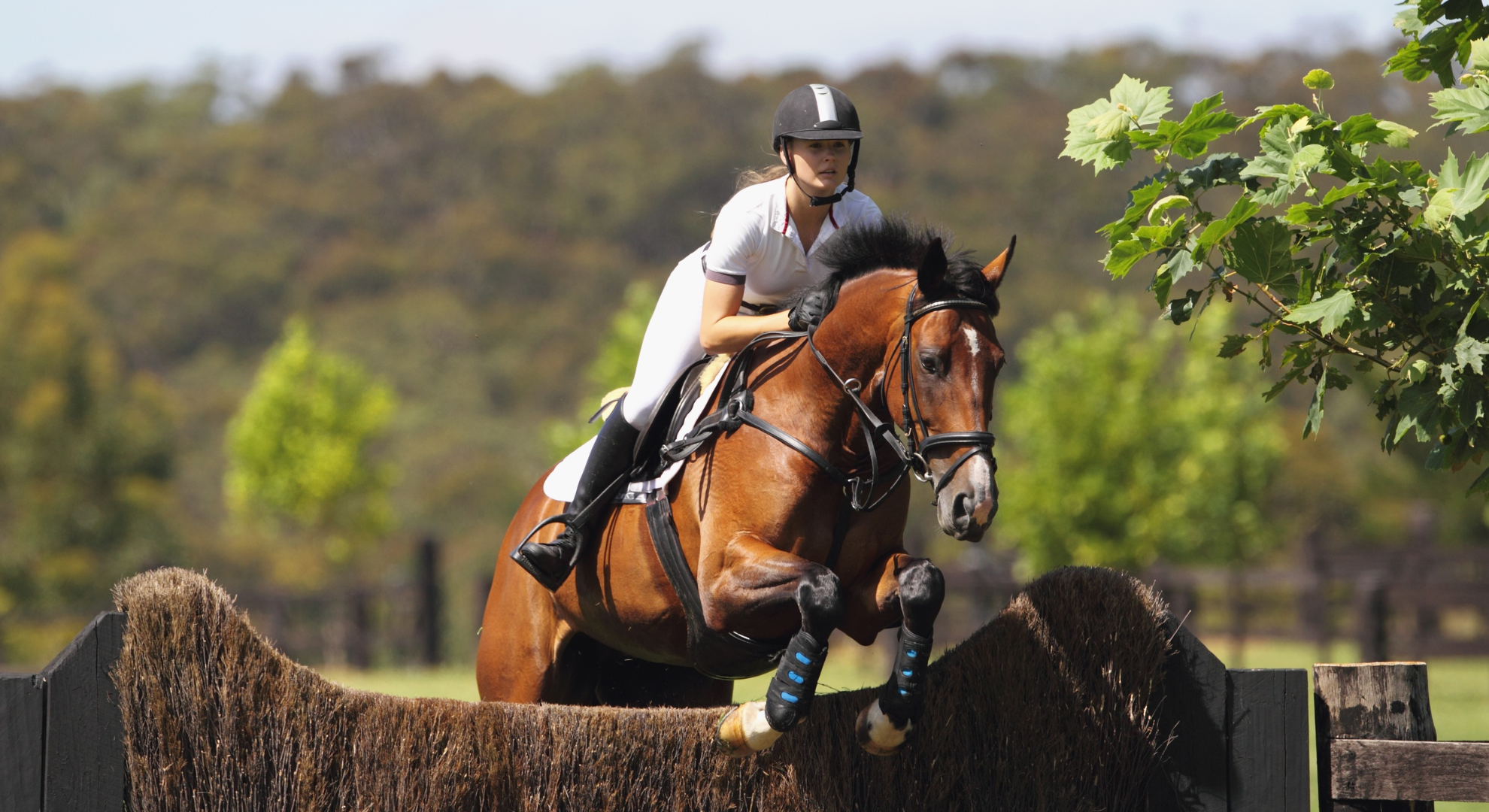
Why This Is Happening Now
Canva/CC
So why are we seeing such a strong rise in the amateur woman competitor?
A few key shifts:
1. Financial Independence = Horse Ownership
According to Veterinary 33, more women are in the workforce—and not just in entry-level roles. Around 60% of horse owners work in managerial or professional positions .
Translation: women are funding their own horse lives now.
They’re not waiting for permission, sponsorship, or someone else’s budget. They’re buying the horse. Paying the bills. Entering the show.
2. Flexible Pathways Into Competition
Modern equestrian sport has more accessible entry points than ever:
- Schooling shows
- Local circuits
- Breed and discipline-specific associations
- Lease and lesson programs
You don’t need to be Olympic-bound to compete; you just need a horse (or access to one) and the willingness to try.
3. Longevity in the Sport
Equestrian sport isn’t something you age out of at 22.
In fact, many riders return later in life — after college, after kids, after establishing a career. Research shows equestrians often stay involved for decades, moving between roles as riders, owners, and competitors over time .
That means the amateur ranks aren’t just growing, they’re deepening.
The Catch: It’s Still Not Easy
Canva/CC
Let’s not romanticize this too much.
Because although women dominate participation, the system still isn’t built for them to thrive easily — especially as amateurs.
Time Is the Biggest Barrier
Between work, commuting, and life responsibilities, riding time gets squeezed. Evening rides. Early mornings. Weekend marathons.
There’s no off-season when you’re balancing everything.
Cost Is Constant Pressure
Board, training, entries, hauling, it adds up fast. And unlike professionals, amateurs don’t offset those costs with income from the sport.
You’re paying to play. Always.
Canva/CC
And at the Top? It Still Shifts
Here’s where it gets interesting … and a little frustrating.
Even though women dominate participation, their representation drops at the highest levels of the sport .
So while amateur rings are full of women, the upper tiers still skew differently.
Which makes what amateur women are doing even more significant: they’re sustaining the sport from the ground up.
What This Actually Means for the Industry
If you zoom out, this isn’t just a feel-good narrative. It’s structural.
The equestrian industry runs on amateur women:
- They’re the primary consumers
- The majority of competitors
- The backbone of barns, shows, and organizations
Without them, the system doesn’t just shrink; it collapses.
The Quiet Reality
Canva/CC
Most of these riders won’t go pro.
They won’t make a living riding horses. They won’t be on a podium at a five-star.
But they will:
- Keep showing up after long workdays
- Keep investing in their horses
- Keep chasing better rides, better rounds, better partnerships
And to be honest, that might be the most impressive version of the sport.
Because it’s not built on opportunity alone. It’s built on commitment.
The rise of the amateur female competitor isn’t a trend. It’s a statement about who the sport belongs to.
Not just the professionals. Not just the elite.
But the woman who:
- Pays her own bills
- Loads her own trailer
- Works all week
- And still walks into the ring like it matters
Because to her, it does.
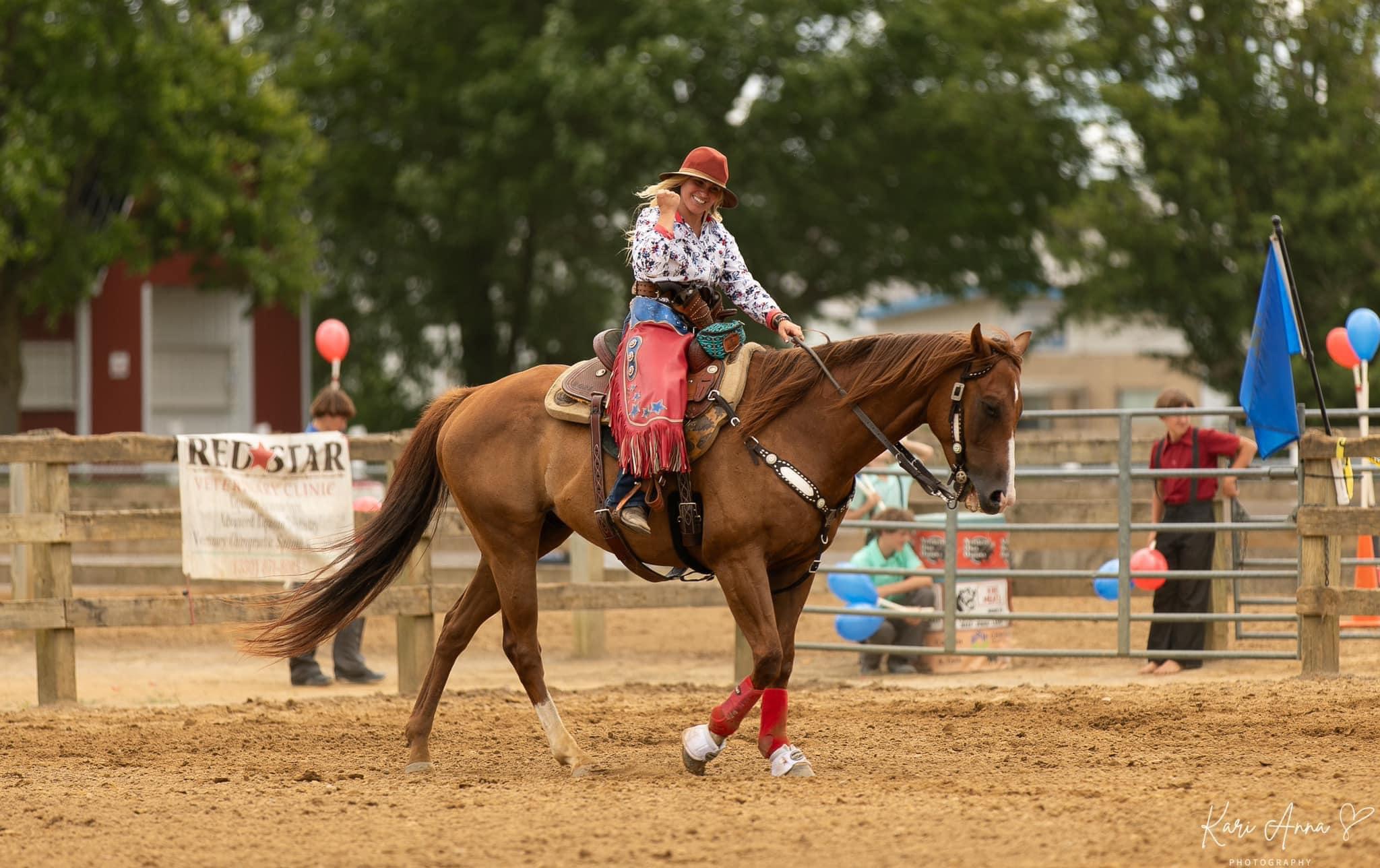
Photo by Kari Anna Photography
References
- British Equestrian Trade Association (BETA). (2019). National Equestrian Survey 2019.
- United States Equestrian Federation (USEF). (2021). USEF Demographic Study of Equestrian Participants.
- United States Department of Agriculture (USDA). (2019). Equine 2015 Study.
- Veterinary33. (2023). United States Equine Market Report.
- Fédération Equestre Internationale (FEI). (2024). Gender Equality Report & Sports Forum Session Documents.
- Dashper, K. (2012). Together, yet still not equal? Sex integration in equestrian sport. Asia-Pacific Journal of Health, Sport and Physical Education, 3(3), 213–225.
- Dashper, K. (2017). Human–animal relationships in equestrian sport and leisure. Routledge.
- Hedenborg, S., & White, P. (2012). Gender and sports within the equestrian world. Sport in Society, 15(2), 302–316.
- Kentucky Equine Research/University of Kentucky Extension. (2019). Economic Impact and Participation Trends in the U.S. Horse Industry.
- Human Kinetics Journals. (2023). Participation Trends in Adult Amateur Sport and Physical Activity.
