



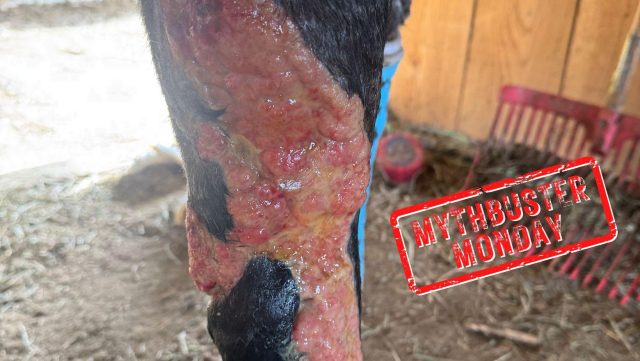
Mythbuster Monday: Meat Tenderizer Kills Proud Flesh
On Mythbuster Monday, we tackle a variety of equestrian myths to either bust or confirm. Today’s discussion: Does meat tenderizer kill proud flesh?
It’s Mythbuster Monday, where Horse Nation dives into different equestrian myths and provides research-based evidence to either bust or confirm those myths. Today’s topic: Does meat tenderizer kill proud flesh? Does it further harm the wound? Do any household items kill proud flesh? Read on to find out!
Myth: Meat tenderizer kills proud flesh
Myth or Fact: Myth
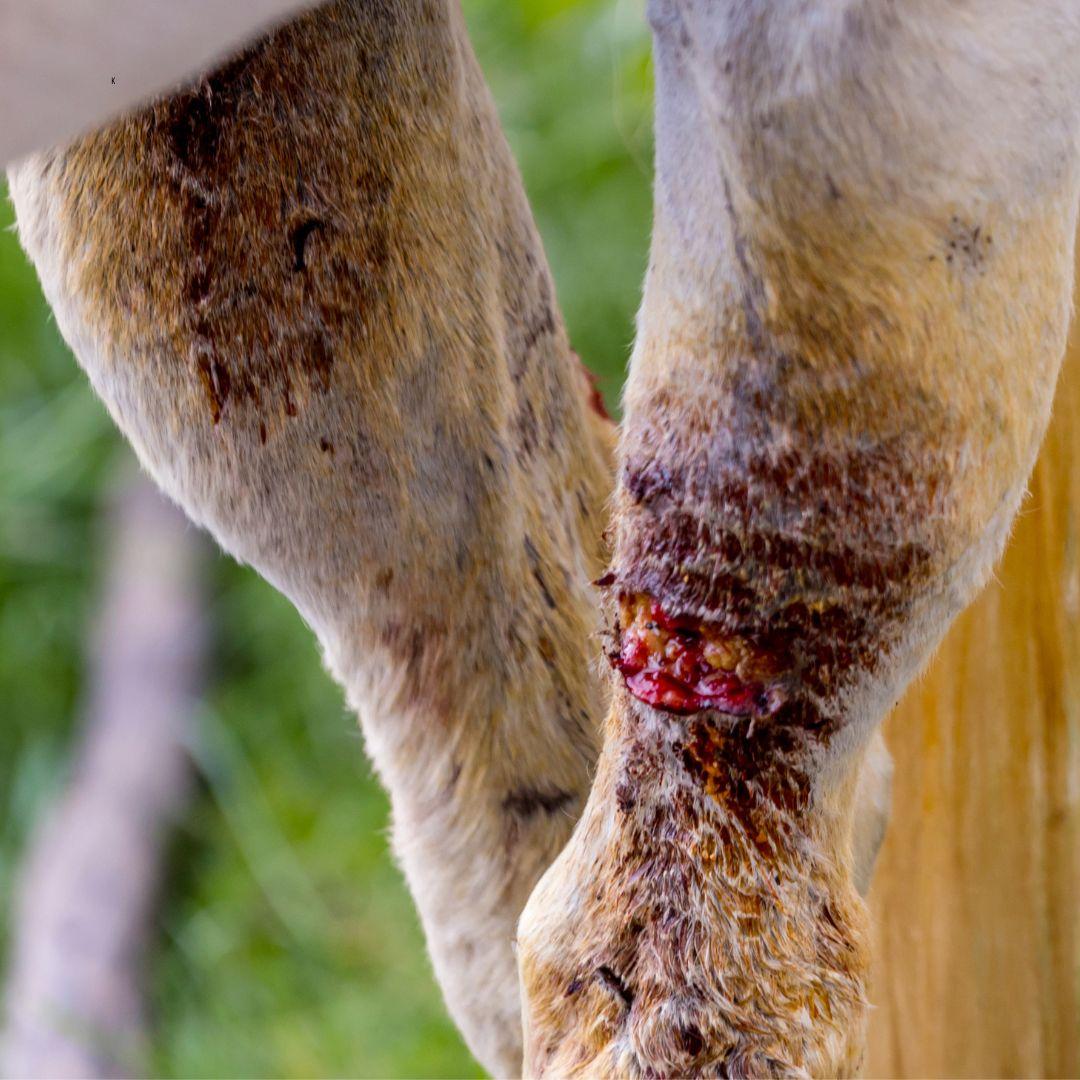
Canva/CC
Proud flesh, medically known as exuberant granulation tissue, is an overgrowth of healing tissue that develops in some equine wounds, most commonly on the lower limbs. Unlike normal granulation tissue, which gradually fills a wound and allows skin to close over it, proud flesh continues to proliferate beyond the wound edges, physically preventing proper skin healing. Horses are particularly prone to this condition because of their unique wound-healing physiology, reduced blood supply in the distal limbs, constant motion, and frequent exposure to contamination. Factors such as delayed wound closure, infection, excessive inflammation, and repeated trauma can all trigger or worsen its development. Proud flesh notoriously is difficult to treat because once it forms, it perpetuates a cycle of inflammation and delayed epithelialization, often requiring prolonged management, meticulous wound care, and sometimes surgical intervention to restore normal healing.
But, does meat tenderizer kill it?
An article by Equiderma explains that while many home remedies for equine wounds and exuberant granulation tissue (proud flesh) have been suggested over the years, including sugar-and-iodine pastes or meat tenderizer, these approaches are known to be ineffective. The article notes that most substances touted to “eat away” granulation tissue are caustic (meaning they destroy both unhealthy and healthy tissue), which can be painful for the animal and may actually delay healing rather than help. According to this source, using meat tenderizer on proud flesh does not work and can potentially make the wound worse, often leading to veterinary procedures such as surgical removal or cauterization followed by careful bandaging when the condition is left untreated.
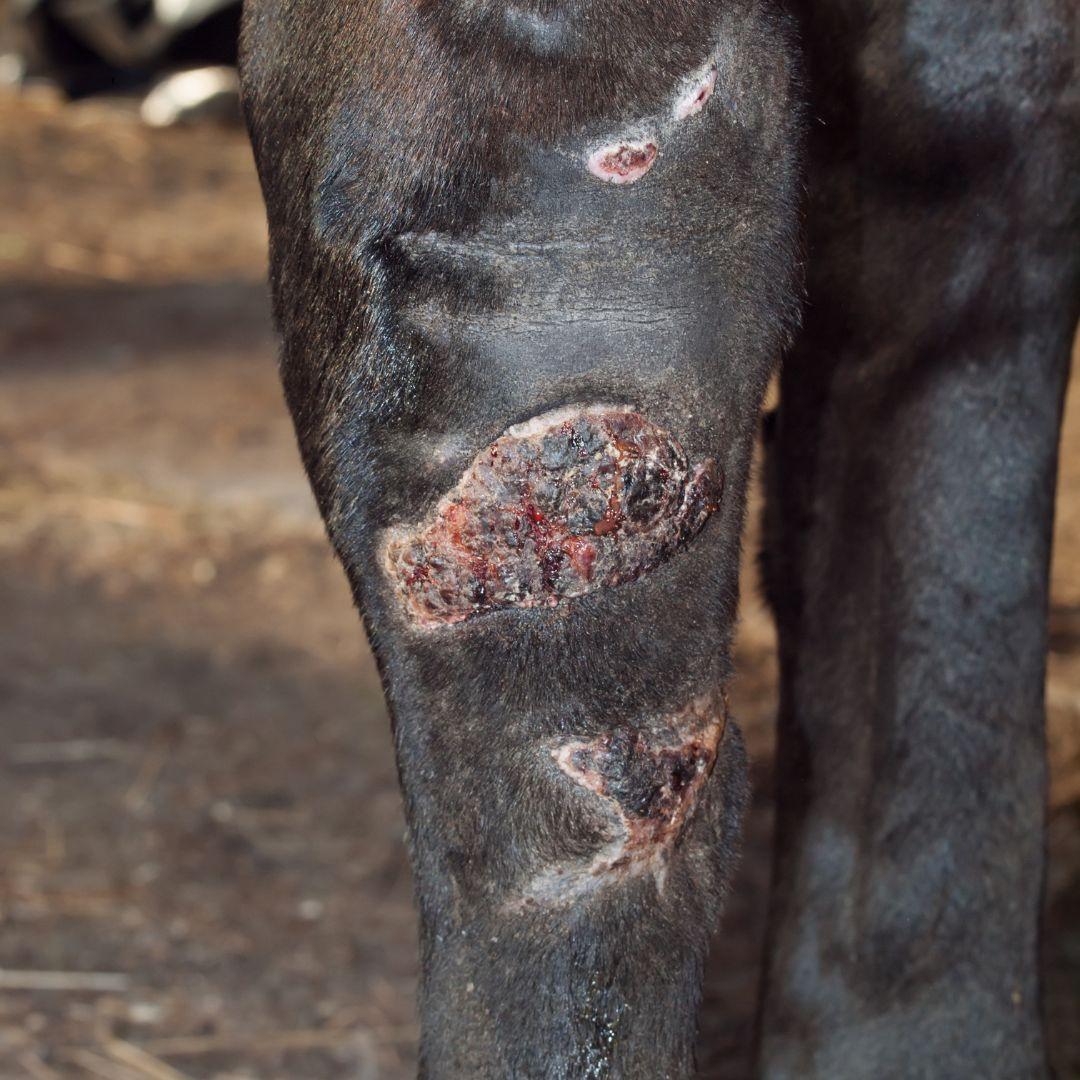
Canva/CC
The Horse writes in their article that while many old-wives’-tale remedies and commercial wound-dressing products exist, only a few truly enhance wound healing, and many can actually impair the process. The veterinarians quoted in the piece caution against caustic powders that are sometimes promoted to minimize excessive granulation tissue (proud flesh), noting that products such as meat tenderizer — despite claims by some that it can prevent proud flesh — do not substitute for proper wound care and can damage tissues. Instead, they recommend evidence-based approaches such as keeping the wound clean, controlling infection, using antibacterial ointments early on, and, if necessary, applying topical steroid creams or surgically trimming excessive granulation tissue under veterinary guidance.
A study performed by Kentucky Equine Research (KER) explains that proud flesh results from the horse’s natural wound-healing process becoming excessive, especially in lower limb wounds where motion, contamination, and poor vascular supply impede normal closure. The research compared different topical treatments (such as silver sulfadiazine cream, antimicrobial ointments, and a hyperosmolar nanoemulsion) for their impact on wound healing and proud flesh formation and found no treatment significantly hastened healing or reduced proud flesh compared with untreated controls. Although the article doesn’t specifically test meat tenderizer, it highlights that myriad topical agents have been trialed with limited success. Importantly, it reinforces that no evidence exists supporting home-remedy treatments like meat tenderizer as effective for proud flesh, and that standard veterinary approaches remain focused on wound management, bandaging, and controlled debridement rather than unproven substances.

Photo by Marcella Gruchalak
Scientific evidence by the scoping review, The Best Protocol to Treat Equine Skin Wounds by Second Intention Healing, makes it clear that meat tenderizer and similar home remedies are not supported by the scientific literature as effective treatments for proud flesh in horses. This comprehensive review evaluated 81 studies on equine wound healing, many of which dealt with distal limb wounds prone to proud flesh, but none investigated meat tenderizer as therapeutic interventions. The review notes that although many therapies have been tried, only a minority showed significantly improved healing compared with controls. Traditional and experimental treatments evaluated included surgical excision, caustic medicaments, dressings, and other veterinary approaches, but meat tenderizer underscores claims of its efficacy are anecdotal rather than evidence-based.
These sources collectively debunk the myth that meat tenderizer is an effective or appropriate treatment for proud flesh in horses. Across peer-reviewed research, veterinary guidance, and wound-healing reviews, a consistent theme emerges: proud flesh is a complex biological response rooted in equine physiology, inflammation, and impaired wound closure, not something that can be safely killed off with household enzymes. The evidence makes it clear that meat tenderizer is not supported by scientific study, is frequently classified alongside other caustic home remedies, and may delay healing or damage healthy tissue. Rather than offering a solution, the myth persists through anecdote, while the literature overwhelmingly supports controlled veterinary management as essential to successful wound healing in horses.
Do you have an equine myth you’d like us to tackle? If so, send it our way! Email your suggestions to [email protected]. Put Mythbuster Monday in your subject line.
