



Mythbuster Monday: Holiday Schedule Changes Don’t Impact Your Horse
On Mythbuster Monday, we tackle a variety of equestrian myths to either bust or confirm. Today’s discussion: Do your horses notice your holiday schedule changes?
It’s Mythbuster Monday, where Horse Nation dives into different equestrian myths and provides research-based evidence to either bust or confirm those myths. Today’s topic: Do your horses notice your holiday schedule changes? Do the changes create behavioral issues? Do the changes create physical issues? Read on to find out!
Myth: Holiday schedule changes don’t impact your horse
Myth or Fact: Myth
Canva/CC
Horses are routine-oriented animals, and over time their internal rhythms begin to align closely with the daily patterns of the people who care for and ride them. Feeding times, turnout schedules, training sessions, and even barn traffic become predictable markers in a horse’s day, helping them feel secure and regulated in their environment. Through repetition and consistency, horses learn what happens and when it happens, often anticipating their caretaker’s arrival, mealtime, or work sessions with remarkable accuracy. This synchronization between horse and human creates a foundation of trust, emotional stability, and physical well-being, making routine one of the most powerful, yet often overlooked, tools in equine management.
So, do your holiday schedule changes impact your horse?
Canva/CC
Research completed by Manja Zupan directly challenges the myth that short-term schedule changes, such as those common during the holidays, don’t impact a horse’s routine or well-being. In the controlled study, eight horses housed in individual stalls were observed over a 10-week period while receiving hay ad libitum and a concentrate meal. On designated days, feeding times were intentionally altered by one hour earlier or one hour later than the horses’ established routine. Behavioral observations showed that when feeding was delayed, horses displayed a significant increase in anticipatory and stress-related behaviors, including pawing, kicking, comfort behaviors, and repeatedly looking toward the stall door. These responses clearly indicate that horses form strong expectations around routine and react when predictability is disrupted. Applied to the holiday season, the findings illustrate that even brief schedule changes, such as late feedings or inconsistent care times, can affect a horse’s behavior and sense of security, underscoring the importance of maintaining consistent routines during busy periods.
Canva/CC
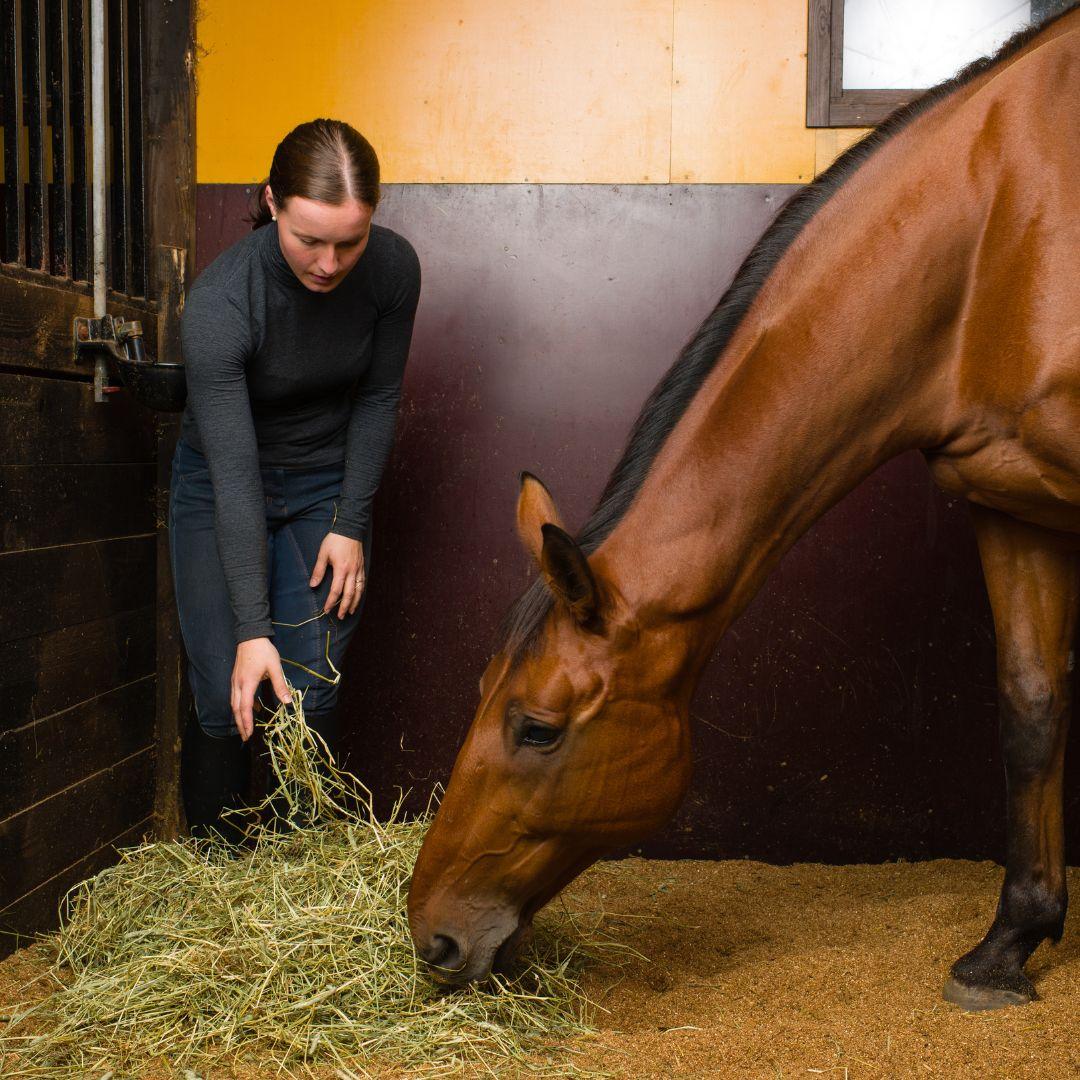
A research article published by Lieuwke C. Kranenburg and colleagues examined how changes in management practices affect equine gastric health, with implications for how routine consistency impacts horse welfare. In this study, fourteen mares previously diagnosed with severe equine squamous gastric disease (ESGD) were monitored while housed individually with ad libitum hay, a small grain-free feed, daily exercise, and consistent care routines. Over a four-week period, the severity of their gastric ulcers significantly decreased and even healed in half of the horses, despite no specific medical treatment being administered, suggesting that improvements were primarily linked to husbandry changes, including diet and the predictability of a daily routine with dedicated caregivers. The authors note that a stable, consistent management routine may have contributed to the reduction in ulcer severity and improved gastric health.
Applied to the holiday schedule myth, this research reinforces that routine predictability matters for equine welfare: disruptions or irregular care during busy periods can influence physiological stress and health outcomes, highlighting the importance of consistent daily management for horses, not just medical interventions.
Canva/CC
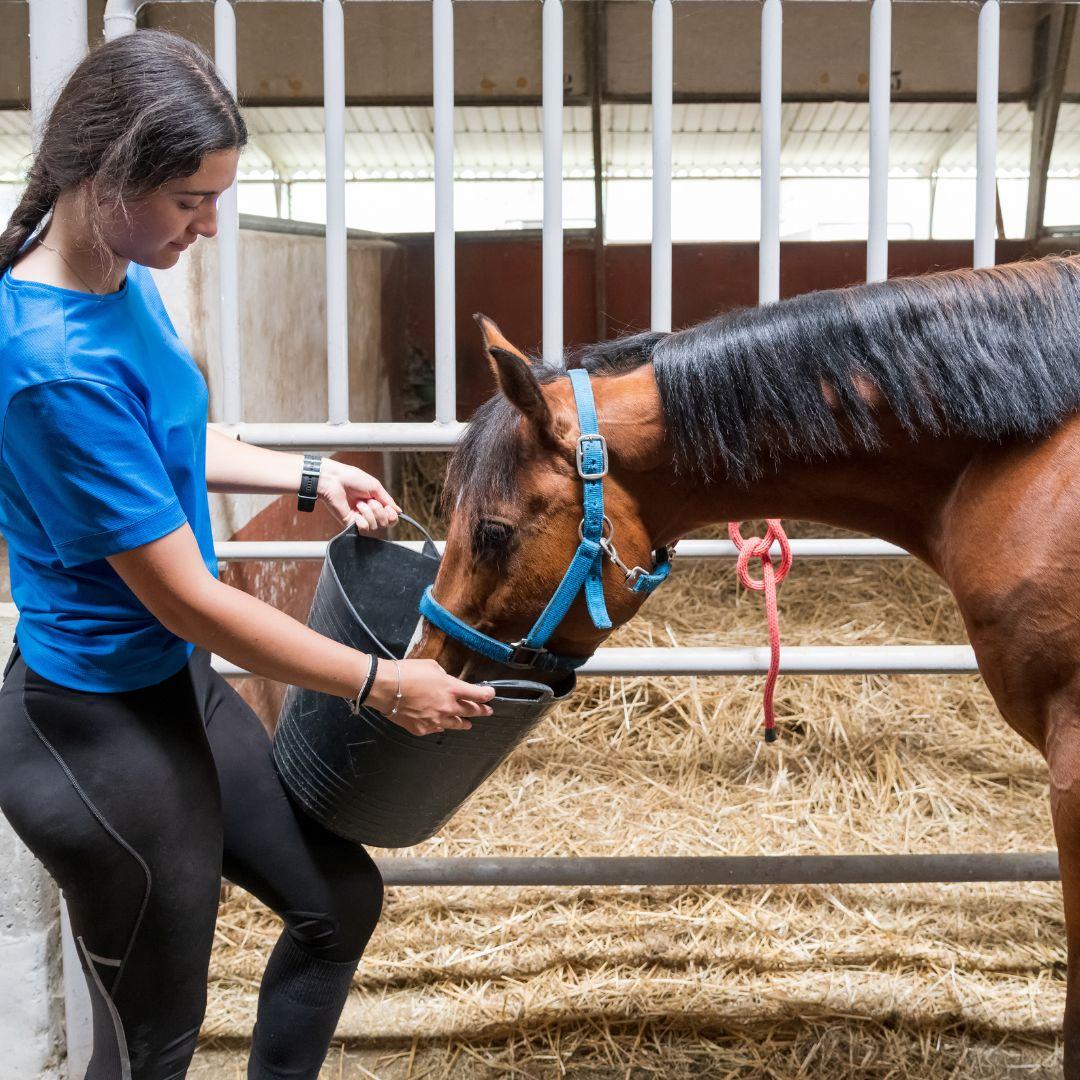
An article written by Dr. Taryn Holliday explains how behavioral stressors, including changes in routine, can contribute to the development of gastric ulcers in horses, directly contradicting the idea that holiday schedule disruptions don’t affect them. Dr. Holliday outlines how stress activates the horse’s sympathetic “fight-or-flight” response, boosting stomach acid production and reducing blood flow to the stomach lining, which can lead to irritation and ulcer formation. The article identifies change in routine, alongside factors like environmental shifts, social disruption, illness, transportation, and strenuous exercise, as a behavioral stressor that can increase the physiological stress response and heighten ulcer risk. It further emphasizes that horses meant to graze nearly continuously are disadvantaged by inconsistent feeding patterns and prolonged periods without forage, which can amplify stress and gastric irritation. These insights provide evidence that alterations in a horse’s daily schedule, such as holiday care disruptions, are not benign but can influence both stress levels and gastrointestinal health, reinforcing the importance of routine consistency for overall equine welfare.
Canva/CC
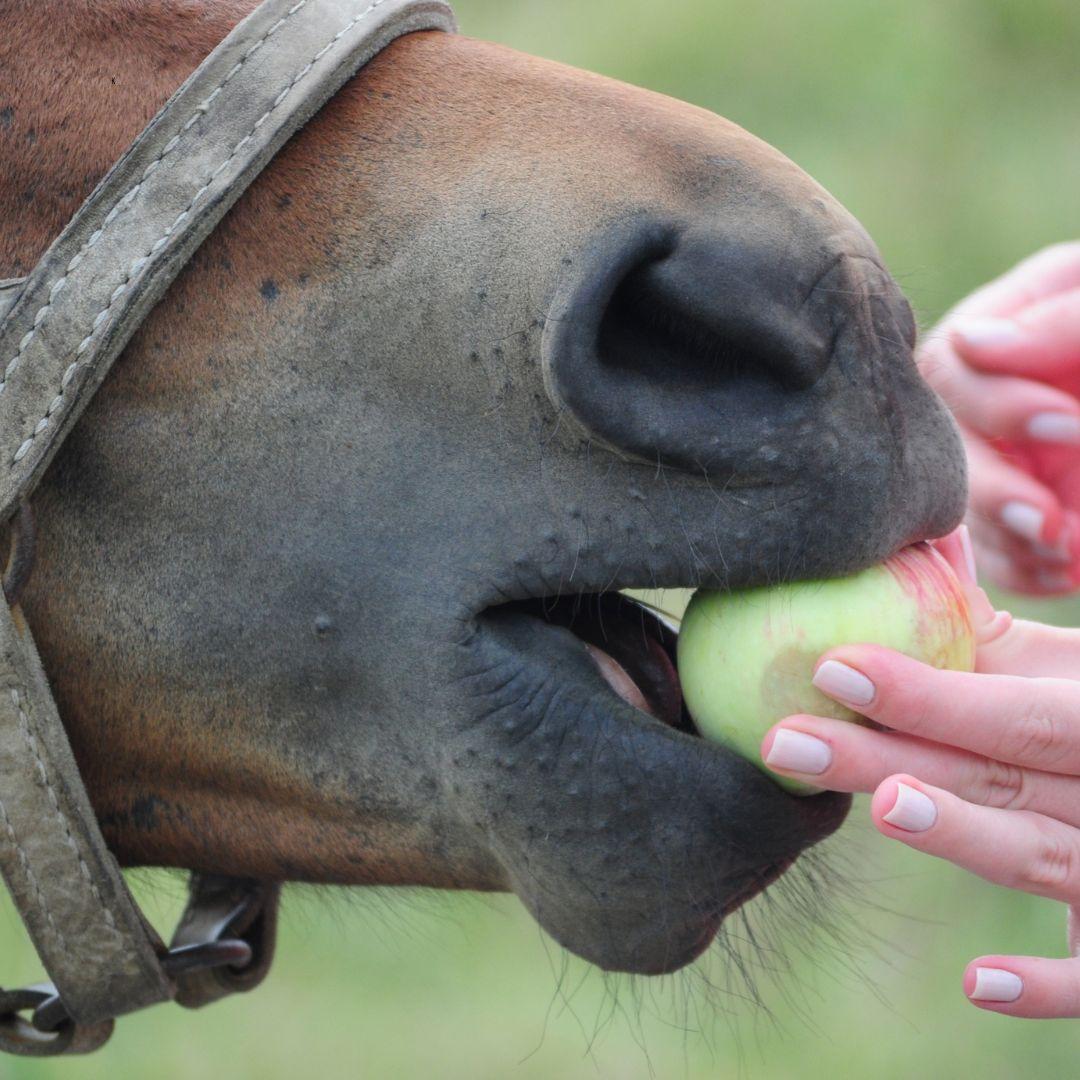
Luke Bass and colleagues investigated how different feeding schedules affect horses’ gastric health, finding that routine disruptions (like holiday schedule changes) do impact horses. In the 60‑day study, 31 Quarter Horses housed in individual stalls and worked at moderate intensity were assigned to one of two feeding regimens: traditional grain feeding twice daily (TF) versus fractioned feeding (FF), where the total grain ration was delivered in 20 small portions throughout the day using an automated feeder. Horses on the twice‑daily schedule showed higher scores for equine squamous gastric disease (ESGD) at both 30 and 60 days, while the fractioned feeding group did not show increases in ESGD. Additionally, early in the study the fractioned group had a lower incidence of glandular ulcers compared with the twice‑daily group. These results suggest that reducing extended fasting periods between meals, an outcome of spreading feedings throughout the day, decreases the severity and occurrence of gastric ulcers, reinforcing that long gaps or irregular feeding patterns are a significant risk factor for gastric stress and ulceration in horses. Applied to holiday care, the evidence supports the view that disrupted feeding routines and prolonged fasting caused by inconsistent schedules can negatively affect equine digestive welfare, highlighting the importance of maintaining regular feeding timing and frequency.
Canva/CC
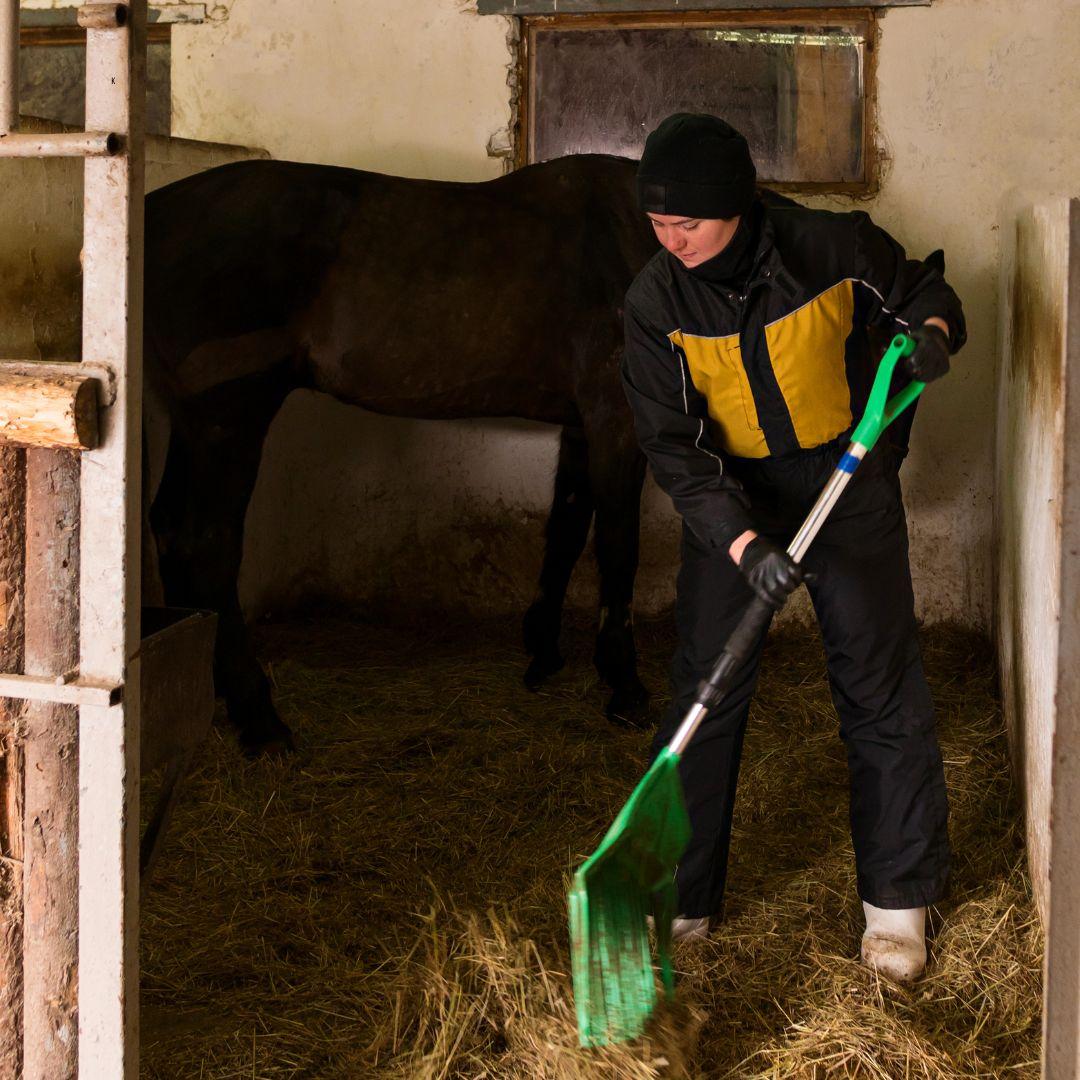
An article by the Institute for Environmental Research and Education explains that undesirable behavior in horses often stems from environmental stressors, including sudden changes in routine, environment, or feed that disrupt a horse’s sense of security. The piece highlights that horses are sensitive to their surroundings and that stressors such as lack of turnout, social isolation, or abrupt schedule shifts can trigger anxiety, frustration, and behaviors like weaving, cribbing, stall pacing, or other signs of distress. These behavioral responses are tied to unmet needs or perceived threats in the horse’s environment, reinforcing that remaining consistent with daily care routines (feeding, turnout, handling) helps reduce stress. When routines are disrupted, as frequently happens during busy holiday periods, horses may exhibit more stress‑related behaviors, indicating that schedule changes are not as inconsequential as some might believe.
Canva/CC
These five sources collectively debunk the myth that holiday schedule changes don’t impact a horse’s routine or welfare. Across research and practical observation, a consistent theme emerges: horses are highly attuned to the predictability of their daily care, and even brief disruptions in feeding, turnout, or handling can influence behavior, stress levels, and gastrointestinal health. The sources make it clear that routine consistency is critical for a horse’s emotional and physical welfare, and holiday schedule disruptions are far from inconsequential, they can meaningfully impact a horse’s health and behavior.
Do you have an equine myth you’d like us to tackle? If so, send it our way! Email your suggestions to [email protected]. Put Mythbuster Monday in your subject line.
