



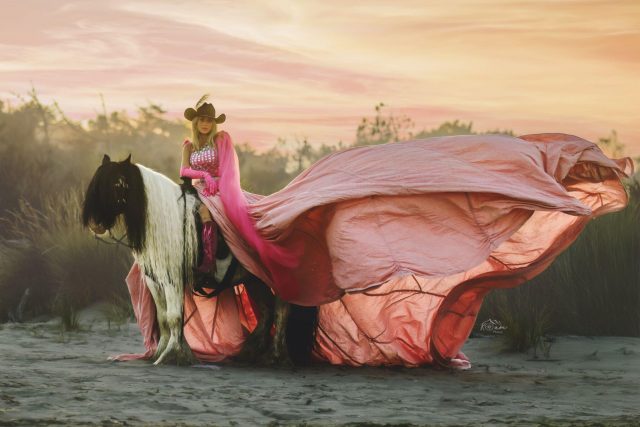
Barn Aisle Chats: Equine Photography With Jacqueline
Barn Aisle Chats is a series where we meet equestrians from all walks of life and disciplines. Today, we chat with Jacqueline G. Harris about her equine photography business, Roam Photos.

Jacqueline G. Harris is the creative force behind Roam Photos, a photography business that captures the unique beauty and spirit of horses. With a keen eye for detail and a deep appreciation for equine personalities, Jacqueline blends technical expertise with artistic vision to create images that tell a story beyond the frame. Her passion for horses and her dedication to portraying them authentically has earned her a reputation among equestrians and enthusiasts alike, making Roam Photos a go-to name for those seeking more than just a picture, but a true reflection of the bond between horse and handler.
We were lucky enough to get to chat with her about what she does, how she got started, and what she loves about it.
Marcella: Where’s the coolest place you went for an equine shoot?
Jacqueline: I would have to say Iceland! Literally and figuratively the coolest! I attended a workshop with Phyllis Burchette, something I’d been on the waitlist for several years. The scenery was absolutely breathtaking, the ranch we stayed at was incredibly welcoming, the food was amazing, and the group of photographers I attended with made the entire experience unforgettable.
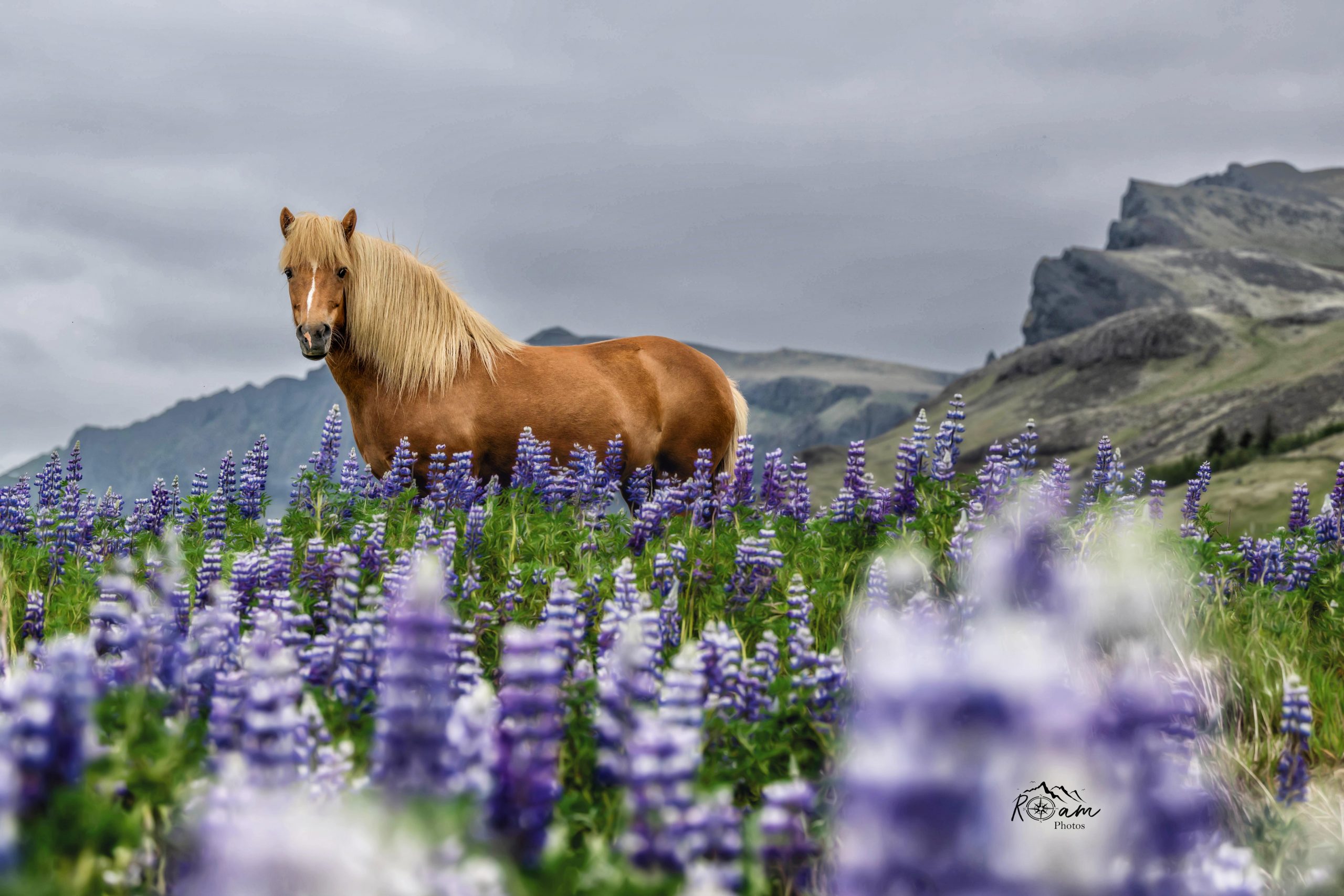
Photo by Jacqueline of Roam Photos
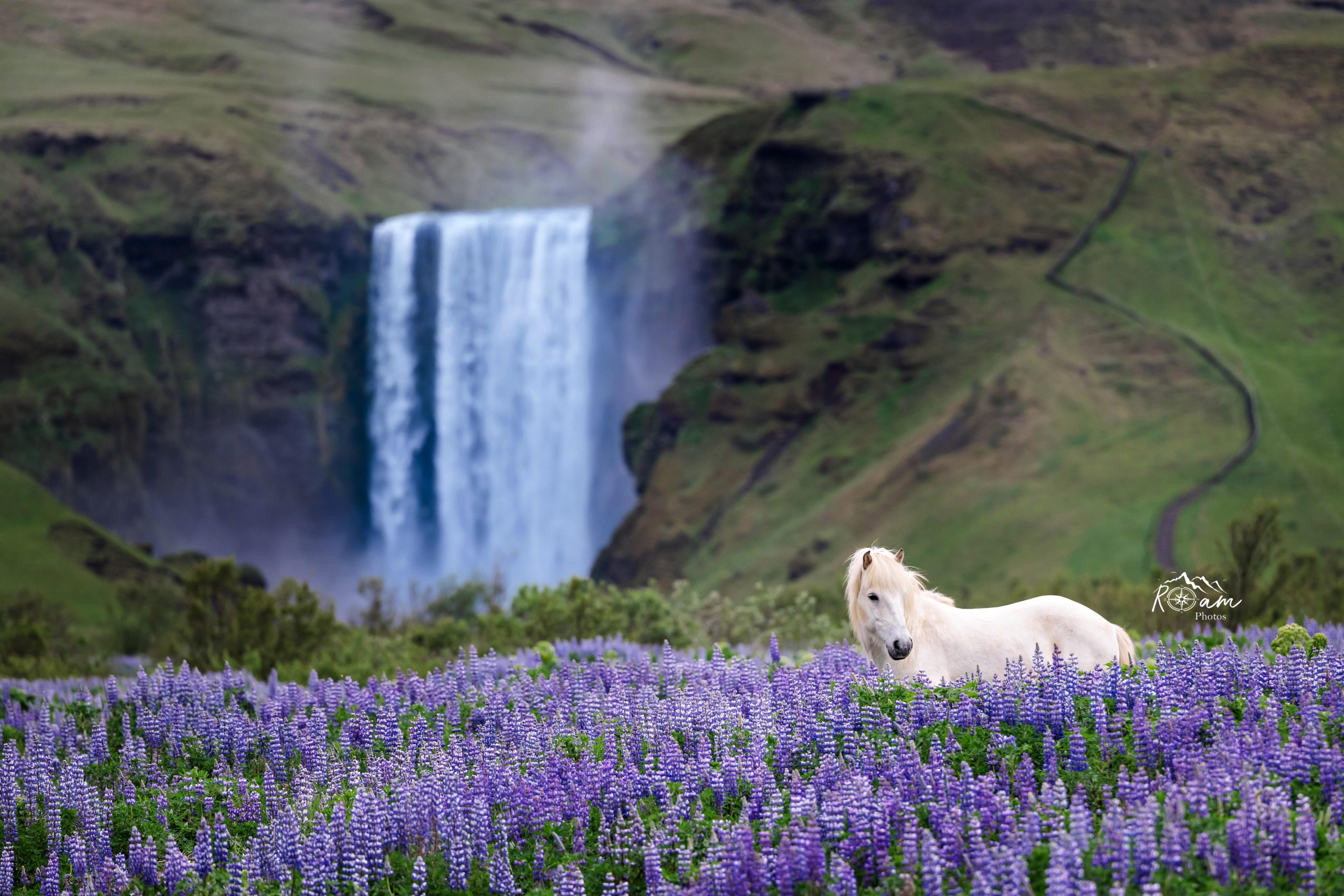
Photo by Jacqueline of Roam Photos
M: How did you get started in equine photography?
J: My photography journey actually began with my K9 Search & Rescue team back in 2015. While waiting for my turn to work my dog, Oakley, I started taking photos of the other dogs in action and I quickly went down the photography “black hole” of learning and wanting to get better.
In 2019, I came across an equine photography workshop in Georgia, again taught by Phyllis Burchette. I drove the 10 hours to attend, and from that moment on, I was hooked. That experience pushed me to niche down and focus on photographing horses and dogs.
Growing up, I never had professional photos taken with my own horses outside of competitions, and as the years passed, I realized how much I would have treasured those images, the memories, the bond, the love. That realization really drives my passion today: capturing the connection people share with their horses so they’ll always have those moments to hold onto.
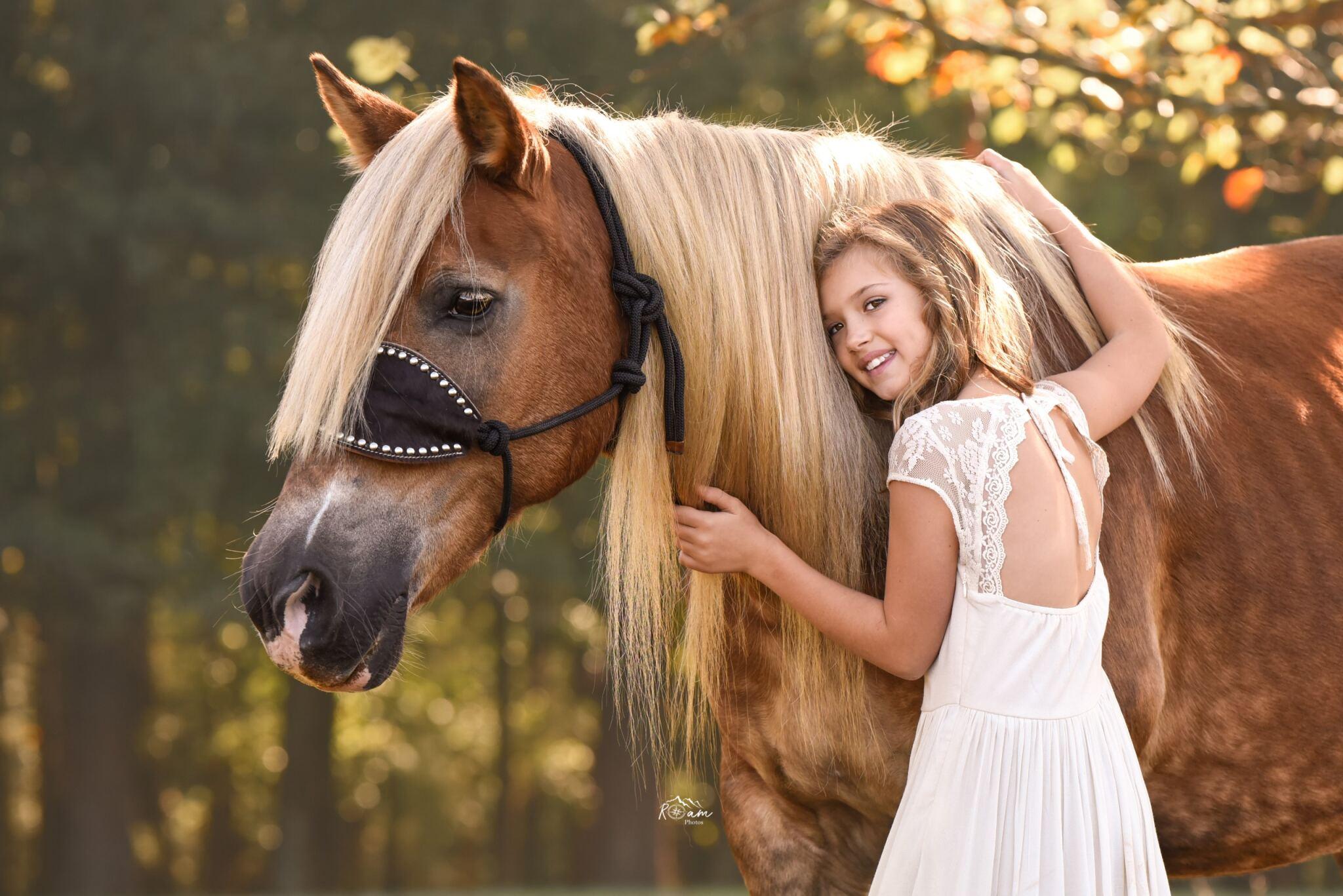
Photo by Jacqueline of Roam Photos
M: What’s your favorite part of the job?
J: Honestly, just being around so many horses and dogs. I’ve loved horses since I was a little girl. I never wanted baby dolls or Barbies, only Breyers and anything horses! So having the privilege of meeting so many different horses and dogs through my work feels like a dream come true. Every session lets me connect with another special animal, and that’s something I never take for granted.
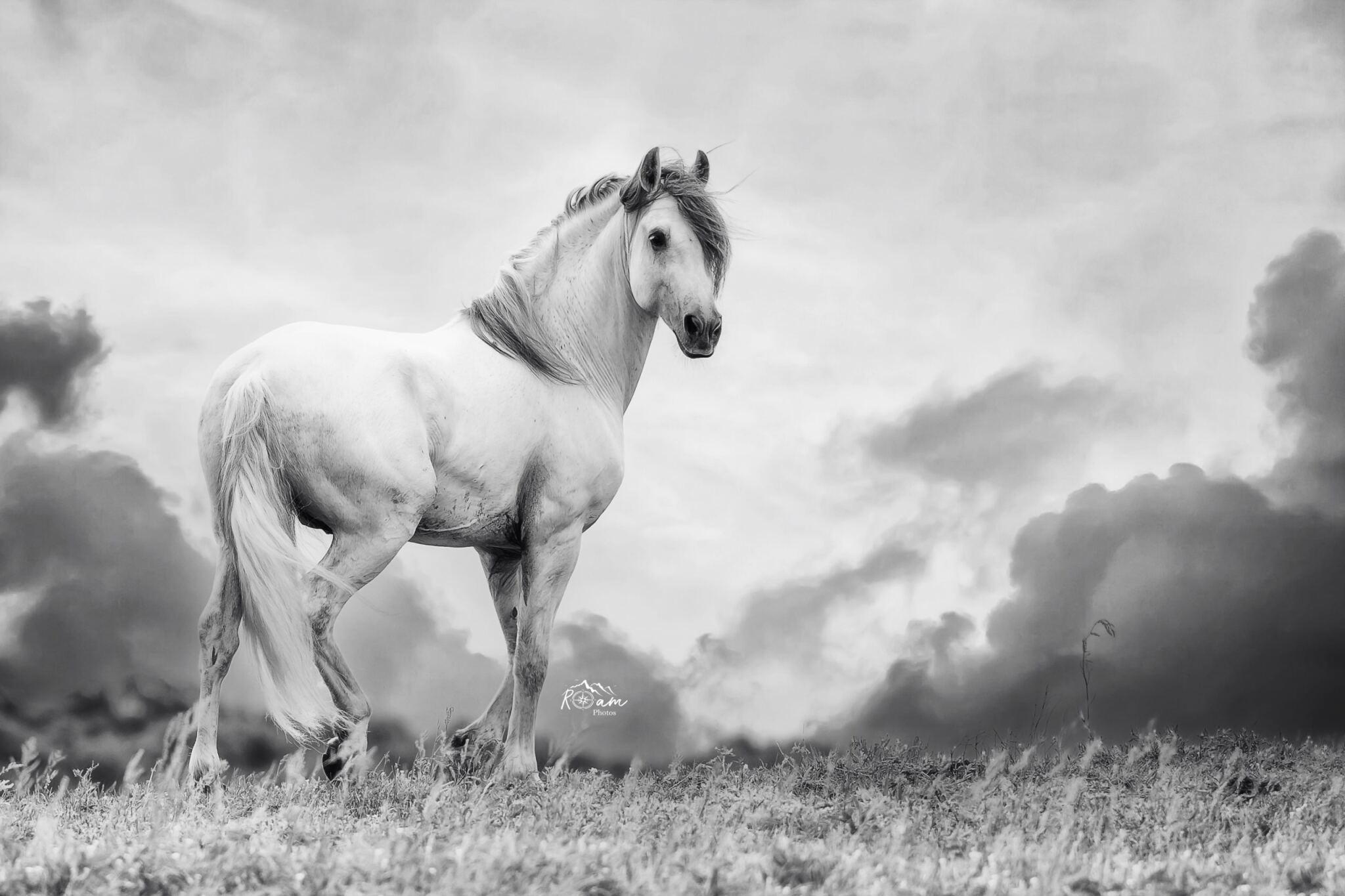
Photo by Jacqueline of Roam Photos
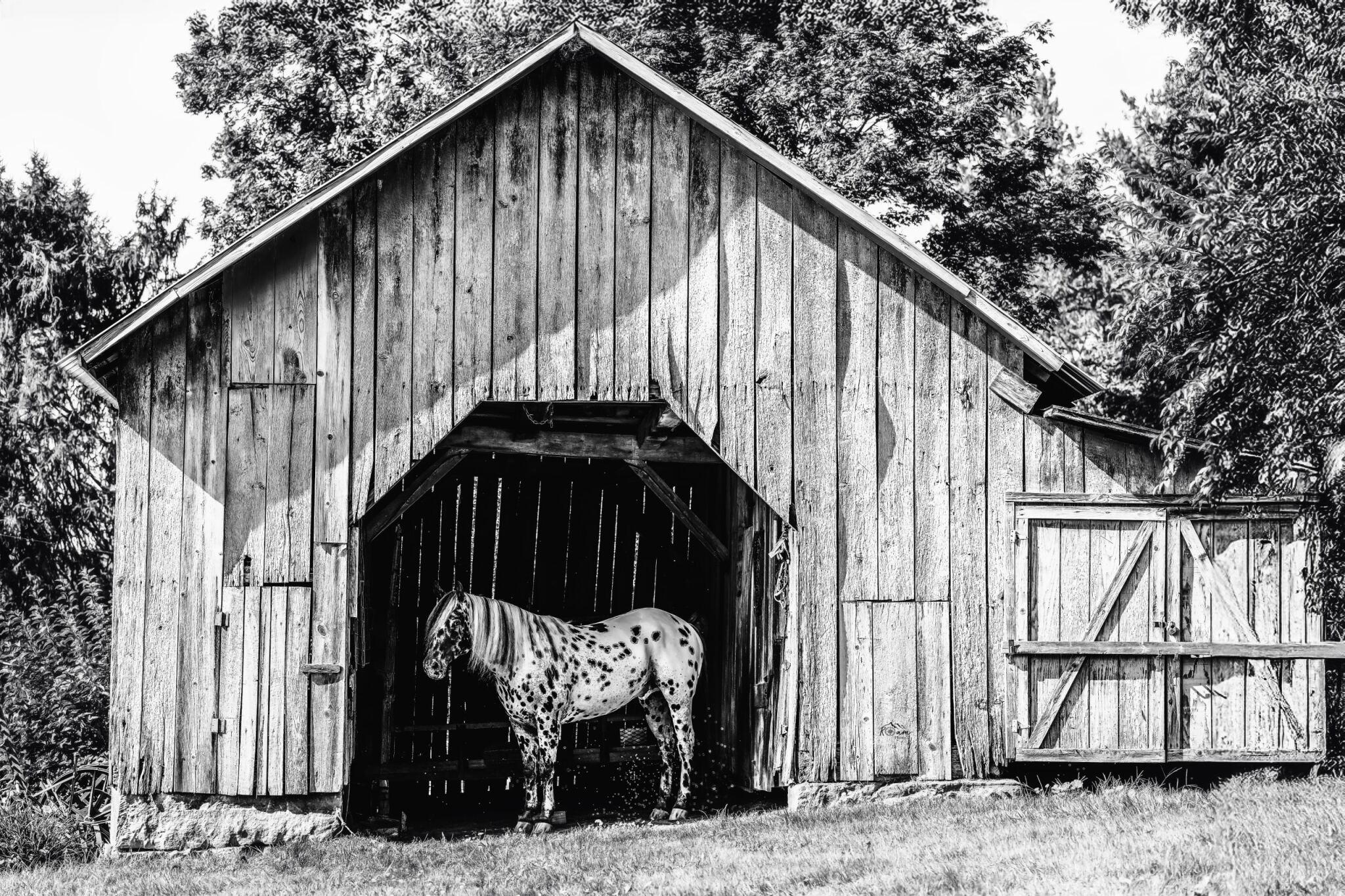
Photo by Jacqueline of Roam Photos
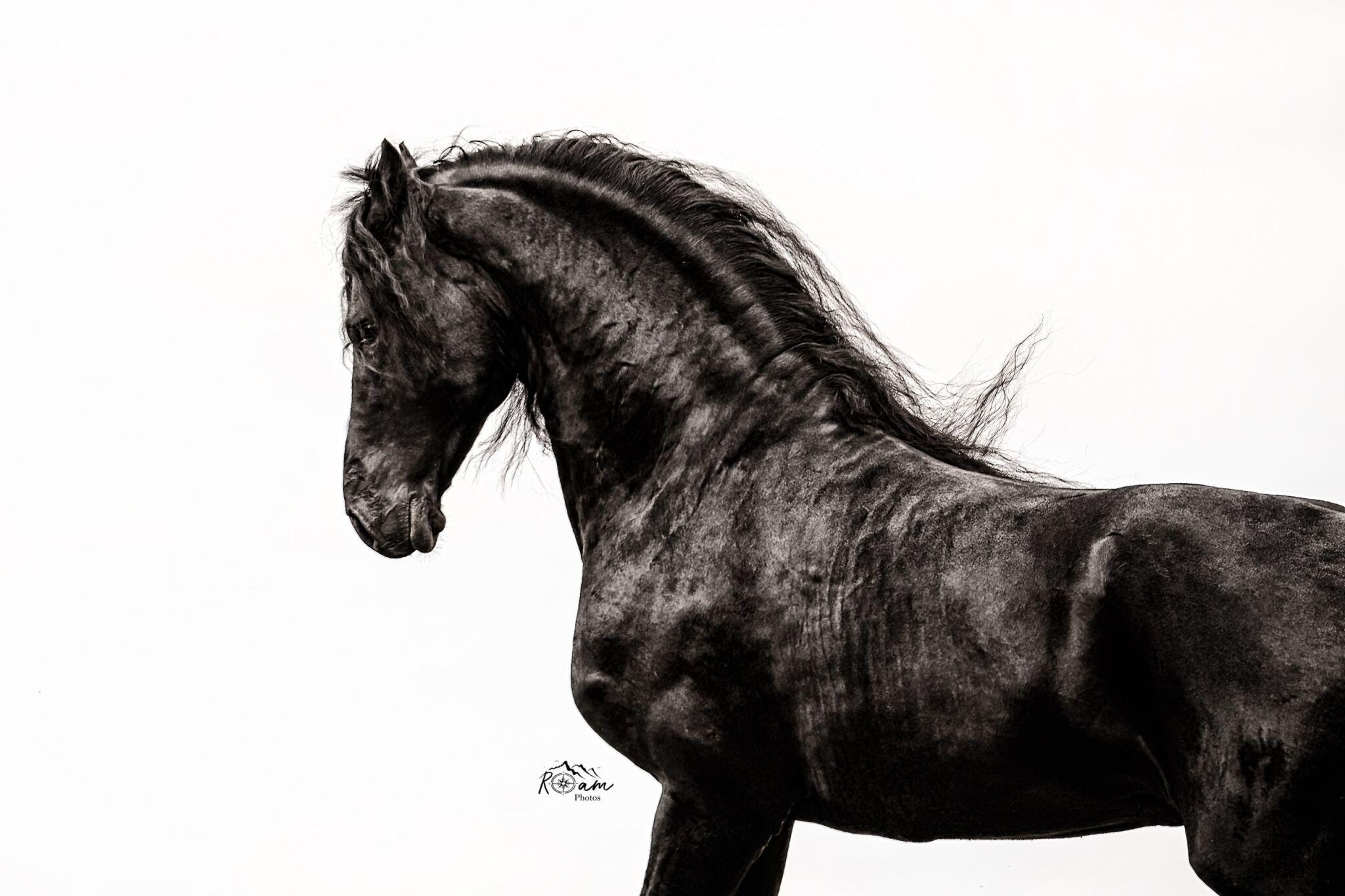
Photo by Jacqueline of Roam Photos
M: What’s your favorite type of equine photo to shoot?
J: My favorite images to create are the ones that feature a horse and their person together. Capturing the connection between them — that unique bond that’s hard to put into words but so easy to see in a photograph. I love watching those little moments unfold: the soft touches, the quiet trust, the way a horse’s expression changes the second their person is near.
One thing I do for every session is I take the time to get to know each partnership during my Discovery Calls: how their story began, the funny quirks, and the intimate bonding moments that mean the most to them. Those details help me recreate authentic interactions during the session, whether it’s simply sitting in the stall talking to their horse or highlighting a habit that’s uniquely theirs.
Capturing what makes each horse so special to their person, and turning those moments into artwork they’ll treasure for years is truly what fills my heart the most.
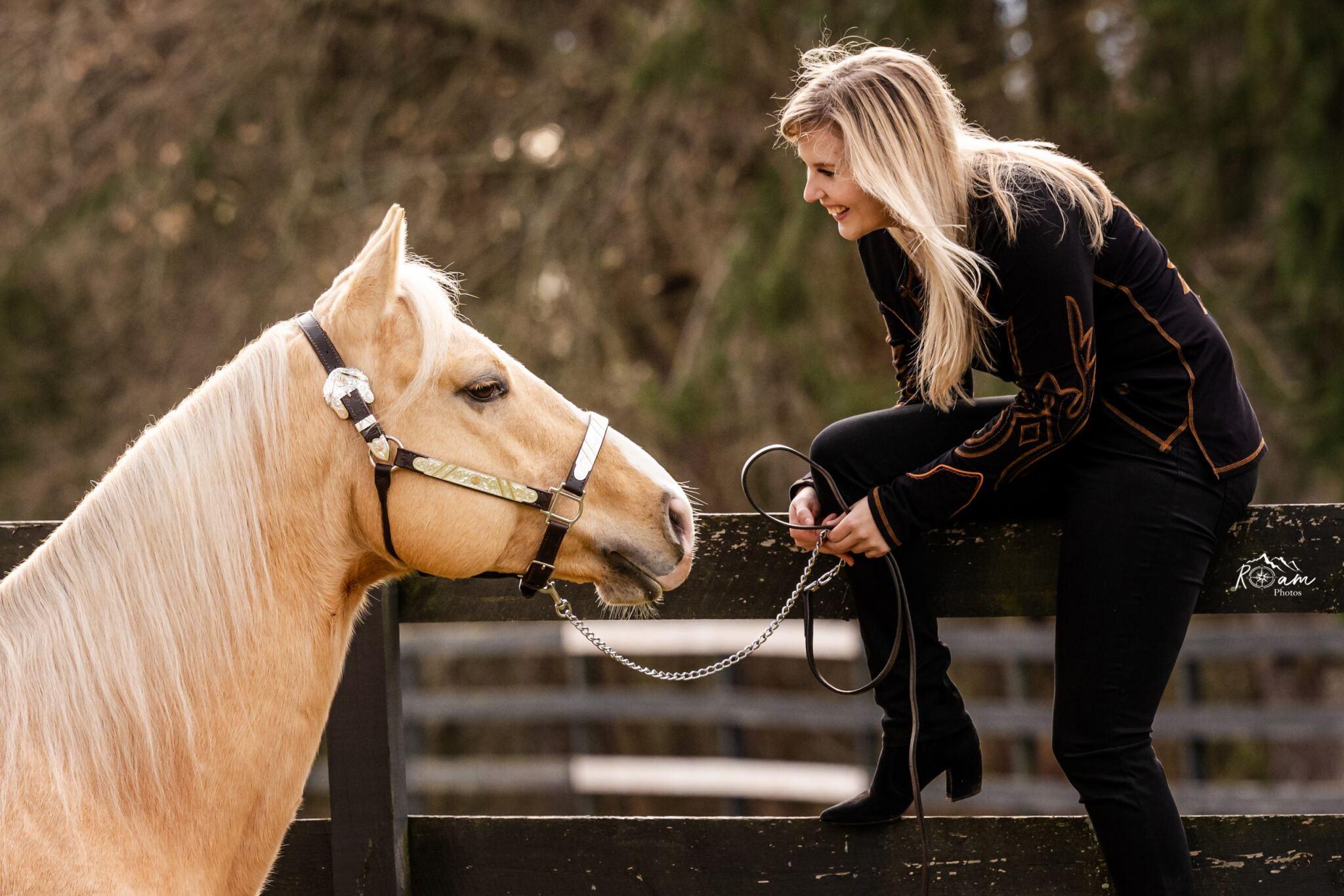
Photo by Jacqueline of Roam Photos
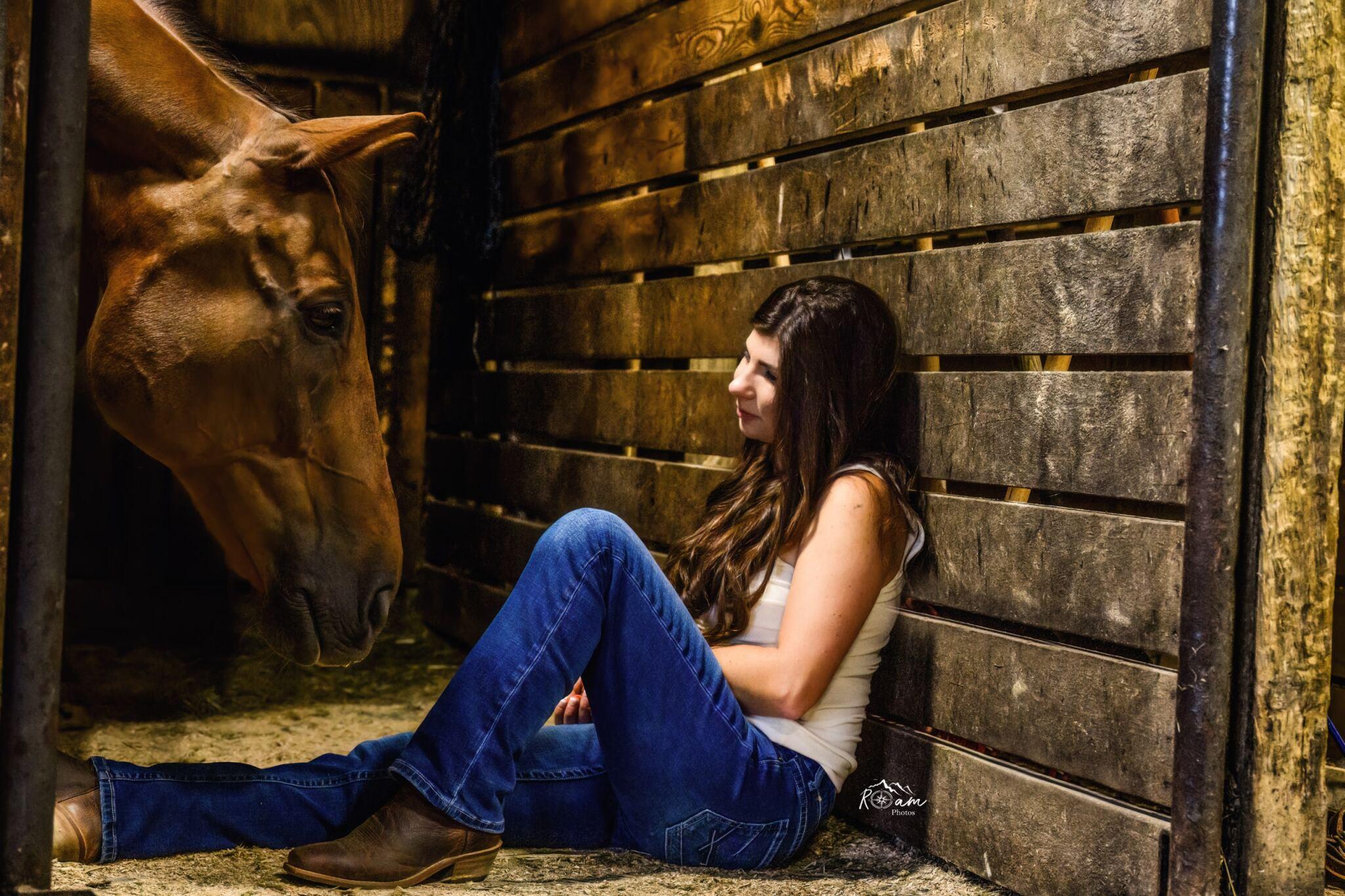
Photo by Jacqueline of Roam Photos
M: How do you adapt when a horse is distracted or not cooperating?
J: Horses have their own personalities, and I honor that. I give them plenty of breaks and never force a pose. If a horse won’t stand still, I shift to capturing natural, movement-based moments, leading them down a scenic driveway, grazing while their person sits nearby, or simply interacting in ways that feel authentic.
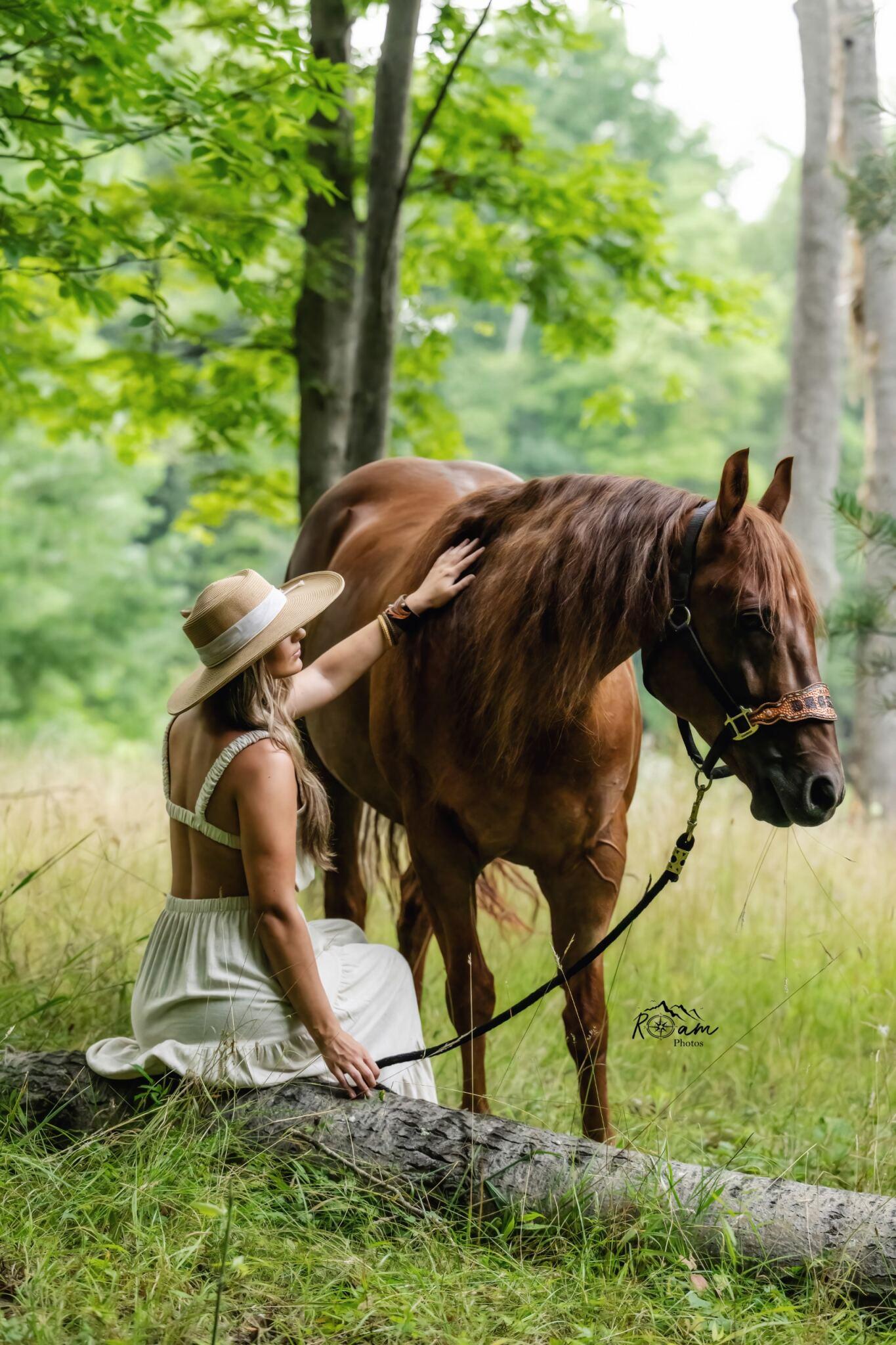
Photo by Jacqueline of Roam Photos
M: What do you wish more clients understood about equine photography before booking a session?
J: I wish more clients realized that equine photography is about more than just capturing a horse on its own. Competition photos are wonderful, but they often don’t show the connection, trust, and love between a horse and their person. The sessions I create are designed to capture those moments, the little interactions, the quiet bonding, the joy and turn them into lasting art for your home and kept for generations. These are the images that evoke real emotion and memories, especially when your horse is no longer with you.
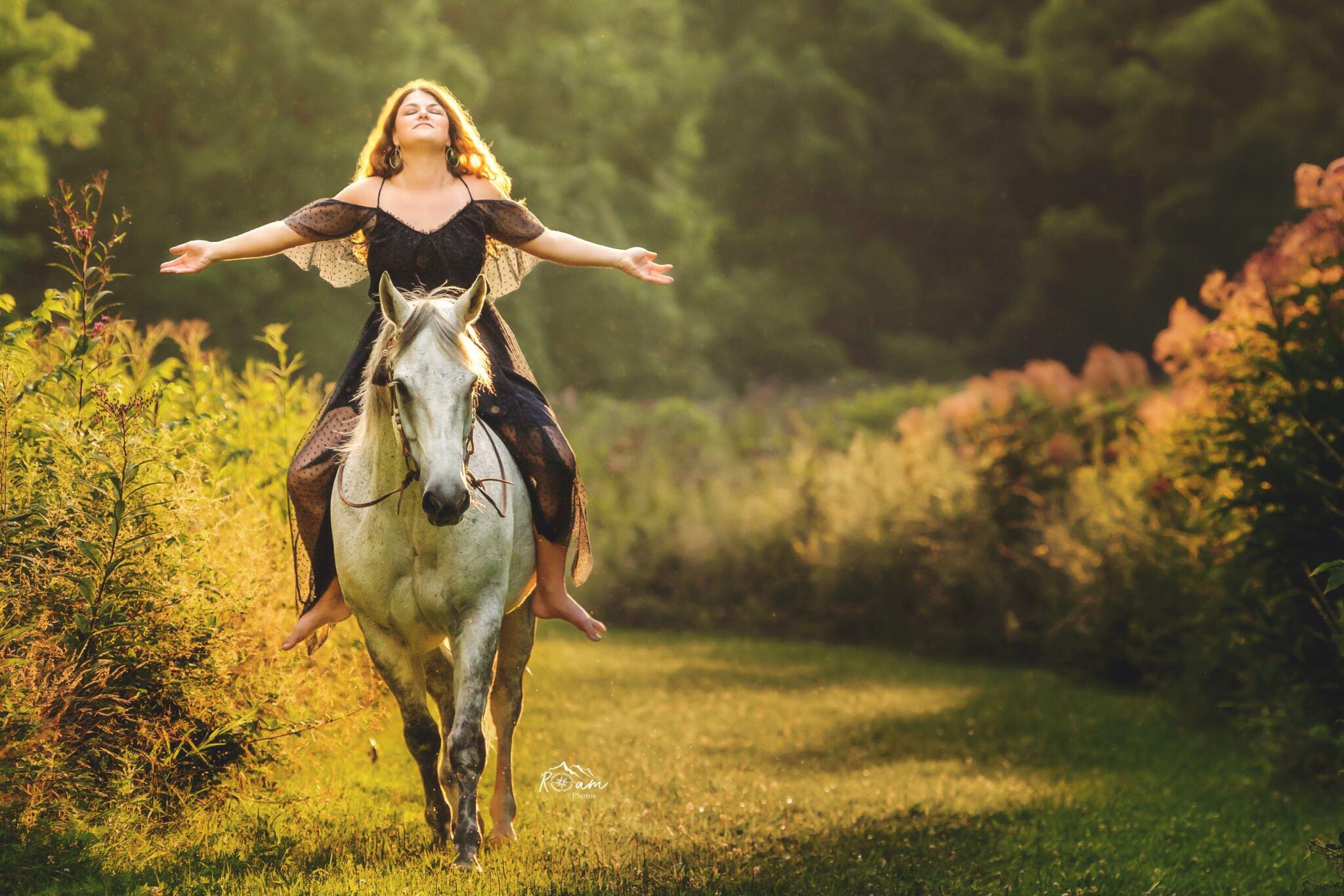
Photo bo Jacqueline of Roam Photos
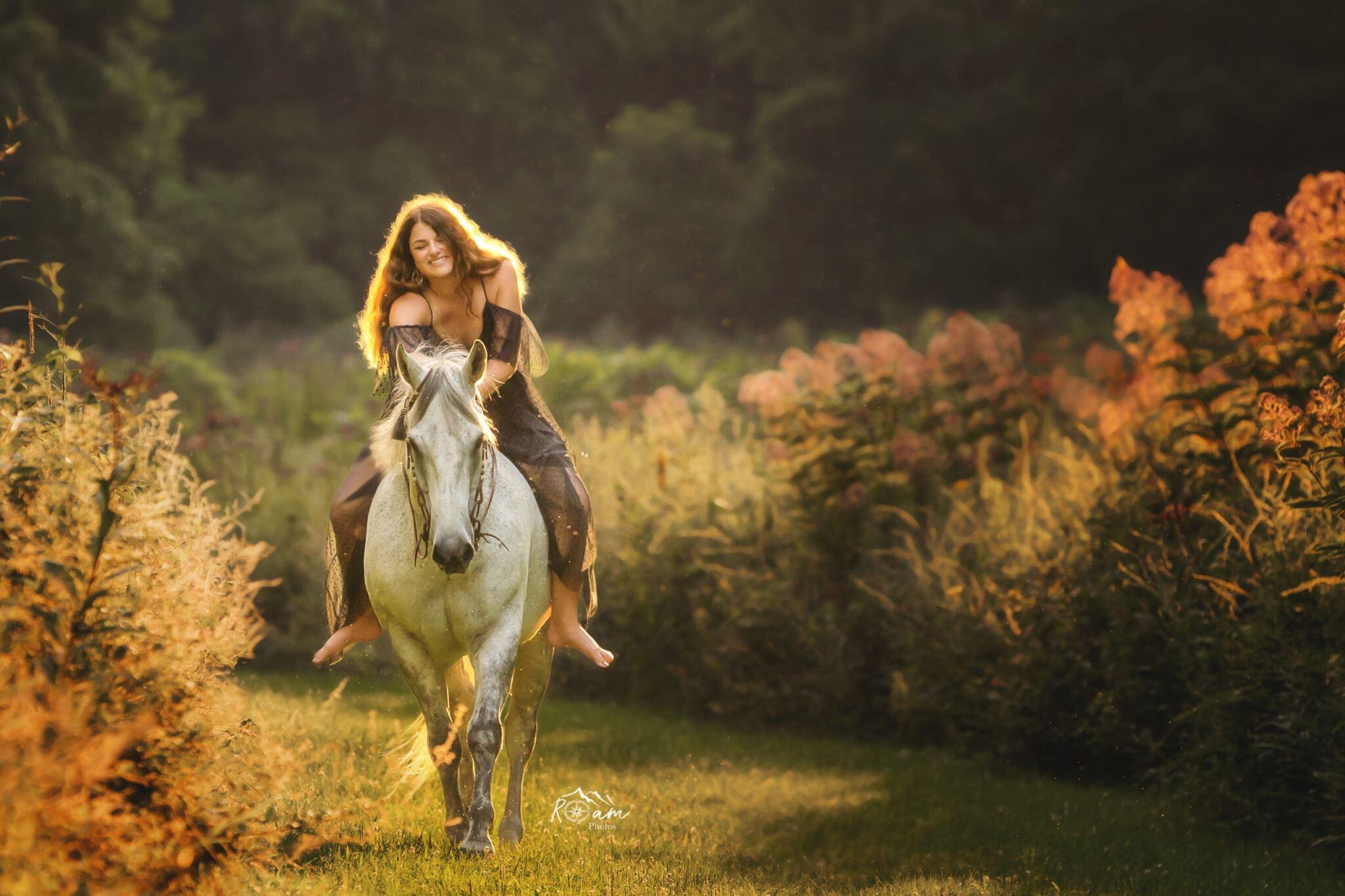
Photo by Jacqueline of Roam Photos
M: What’s your go-to trick for getting a horse to perk its ears?
J: I actually bring a whole bag of tricks to every session! Some of my favorites include a water bottle filled with rocks, a pom-pom on the end of a pole, a stick horse, a remote car, a squeaky pig, and even some fun sound apps on my phone. Every horse is different, so what works for one might not work for another, but having a variety of options usually does the trick to get those ears forward and alert.
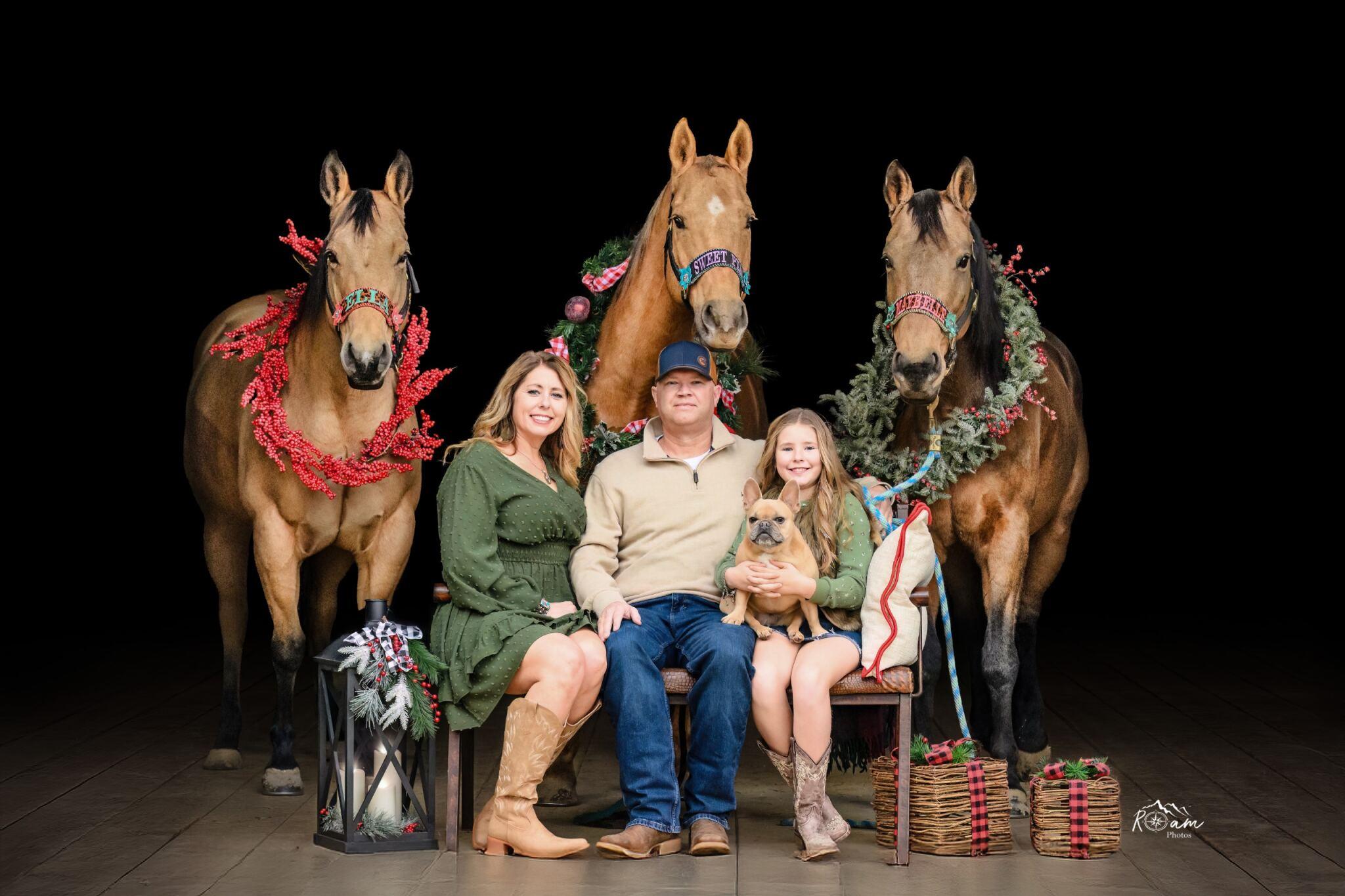
Photo by Jacqueline of Roam Photos
M: What’s one thing you learned the hard way early in your career?
J: Early on, I learned how important it is to make sure clients are fully prepared for their photoshoot. Before I had a prep guide, I sometimes showed up to sessions where horses were still wet from a bath, tack wasn’t cleaned, or other small details weren’t ready, which added extra time and stress to the shoot.
Now, I provide a comprehensive prep guide in my Welcome Box a couple of weeks before the session, plus a style guide via email with outfit suggestions. I also always confirm the exact location of the shoot, not just the client’s home address, to avoid arriving at the wrong place. These steps make sessions smoother, more enjoyable, and ensure we capture the best possible images.
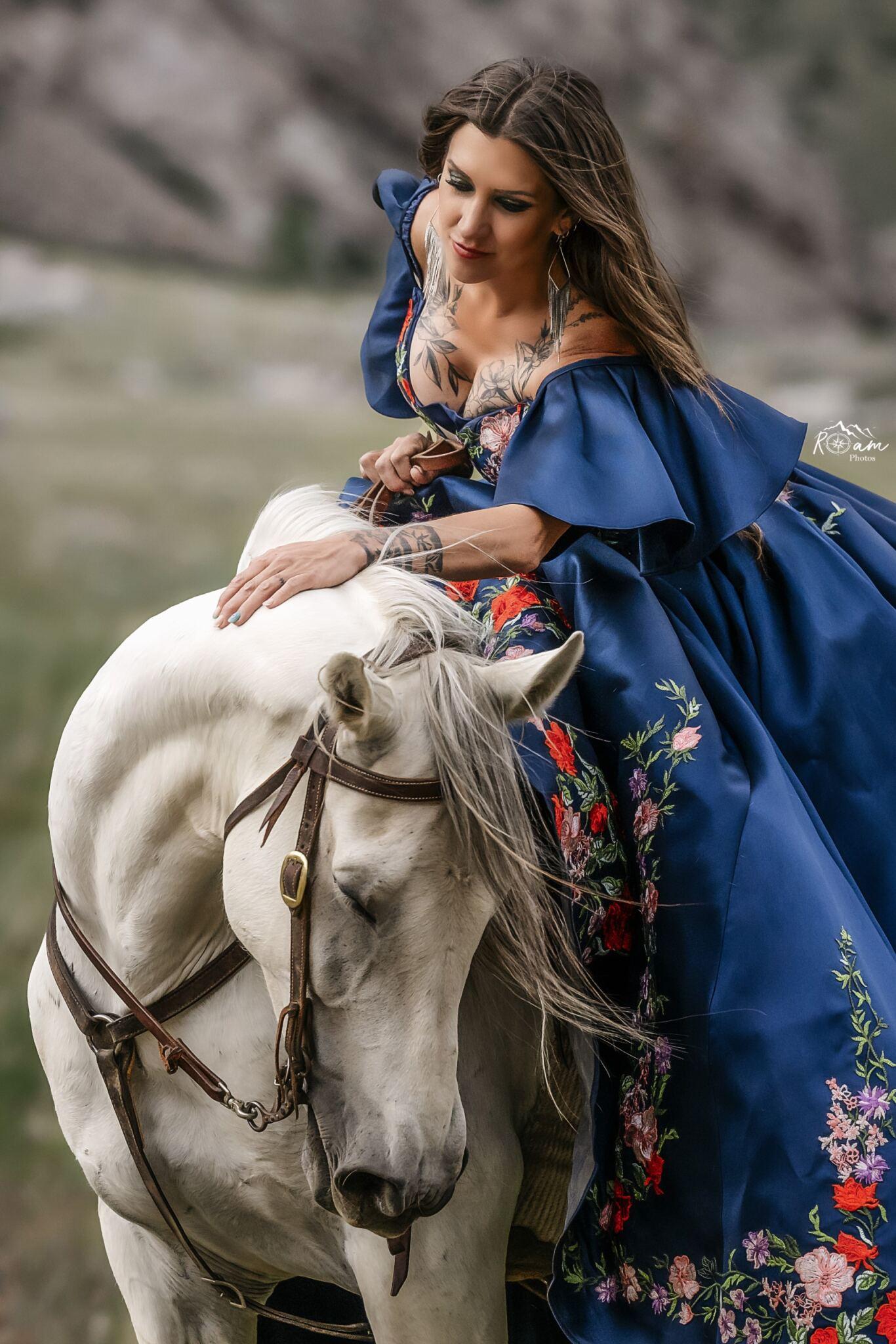
Photo by Jacqueline of Roam Photos
M In your opinion, what separates a good equine photo from a truly exceptional one?
J: Good light is key. You can have a stunning location, but lighting is what makes both the horse and their person look their best. A truly exceptional photo also captures the horse proportionally and naturally. I mostly use my 70–200mm lens to get the horse looking perfect, though creative wide-angle shots can work for artistic purposes.
The horse should always be part of the story, not just a prop. While I make sure my clients look beautiful, my ultimate goal is to capture the love story they share with their horse. Composition is equally important, guiding the viewer’s eye to what matters most in the image.
Finally, attention to detail separates good from exceptional. Distractions like bugs or awkward “mergers” (where a tree limb appears to come out of a horse’s or person’s head) need to be carefully removed. During my mentorship with Shelley Paulson, these finishing touches were emphasized, and I firmly believe a polished and professional equine photo is complete only when these details are handled.
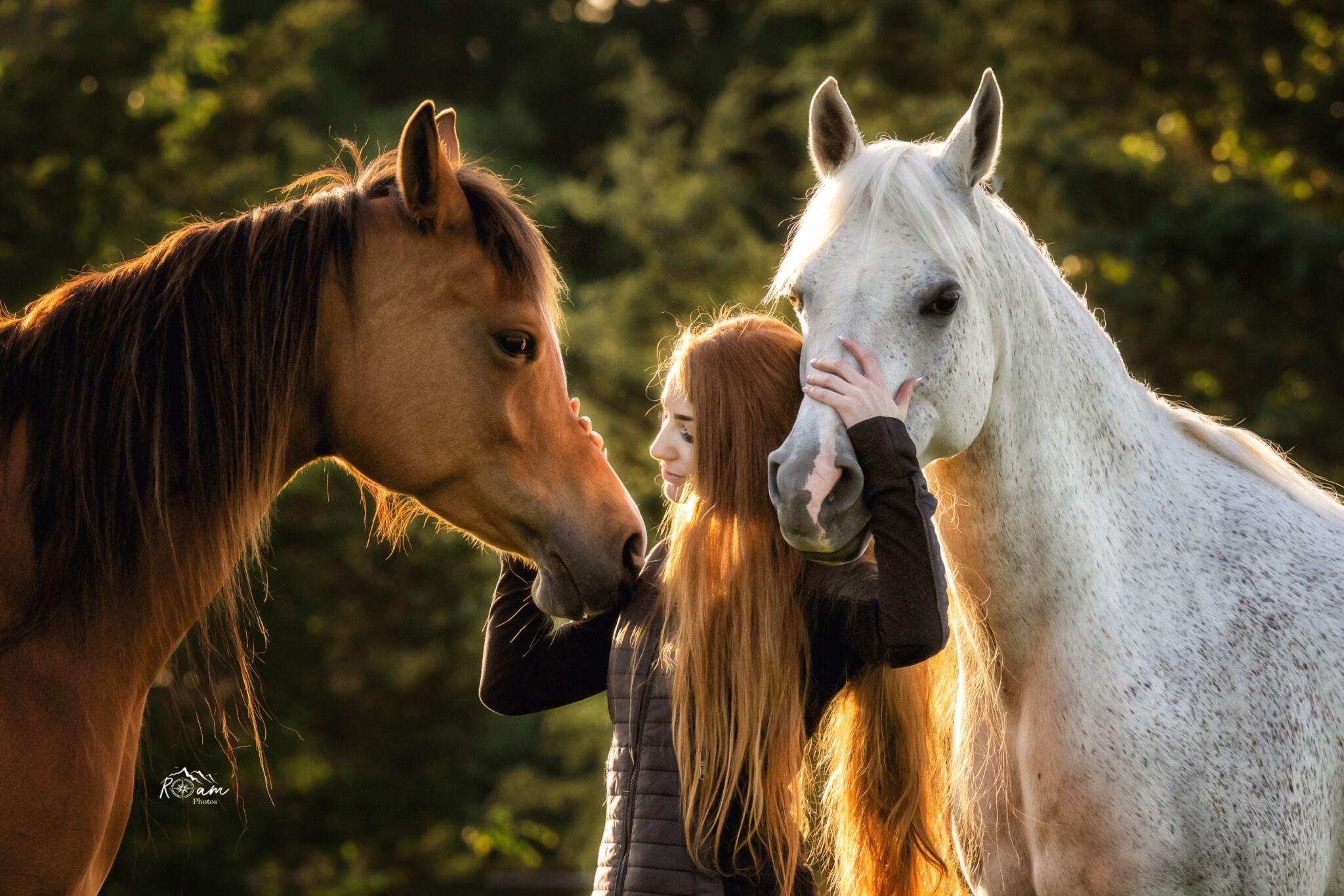
Photo by Jacqueline of Roam Photos
M: Which horse color photographs the easiest? Which one challenges you the most?
J: Horses in bay, sorrel, buckskin, or palomino generally photograph the easiest. Their colors tend to capture beautifully in most lighting conditions. Paints, whites, and blacks can be more challenging depending on the light.
With a paint or all-white horse, it’s easy to overexpose the highlights and lose texture, so achieving a good balance is key. Black horses can be tricky, especially against dark backgrounds — you need to separate the blacks, manage color temperature, and avoid clipping shadows to retain detail. Proper exposure is crucial to make every horse look their absolute best.
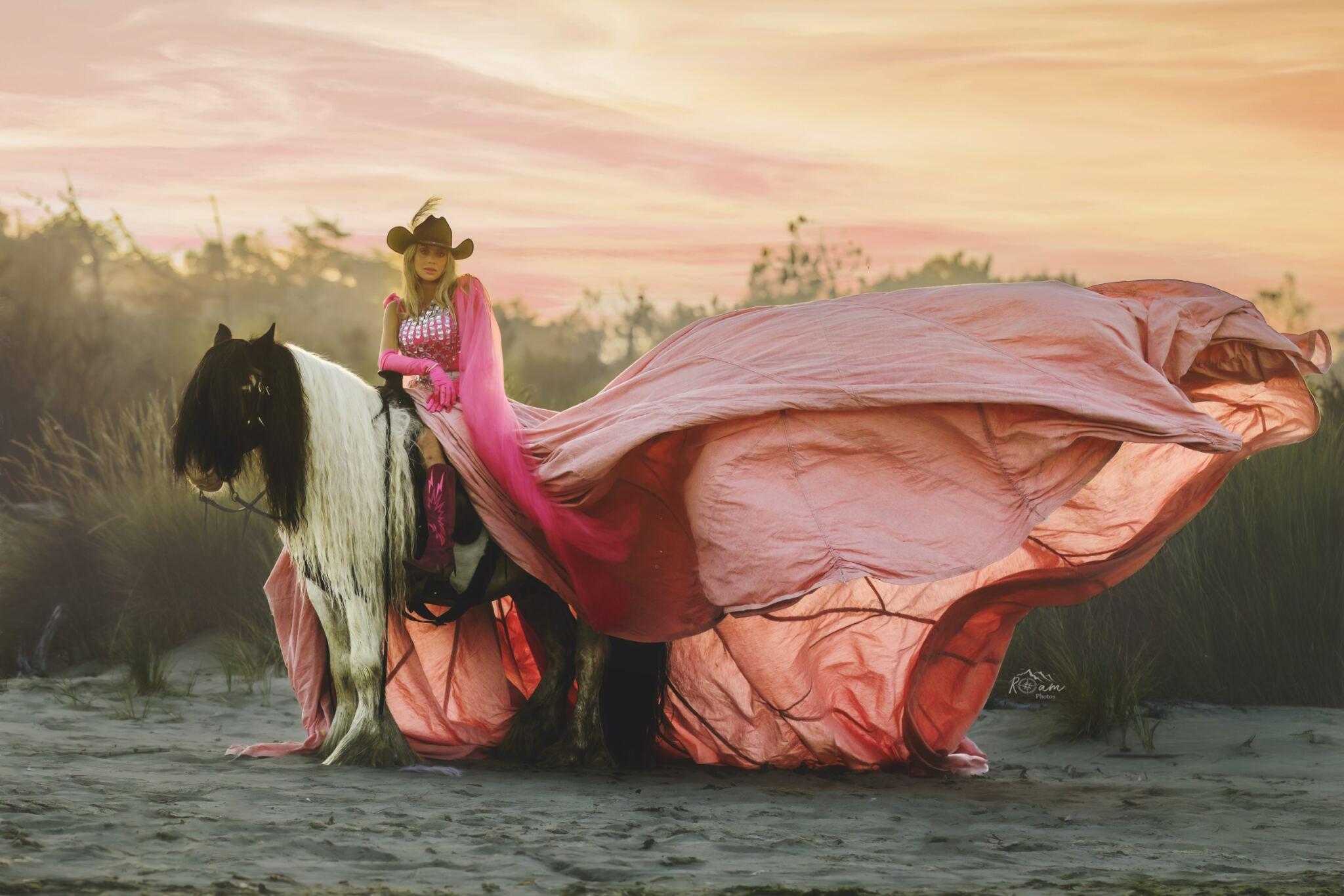
Photo by Jacqueline of Roam Photos
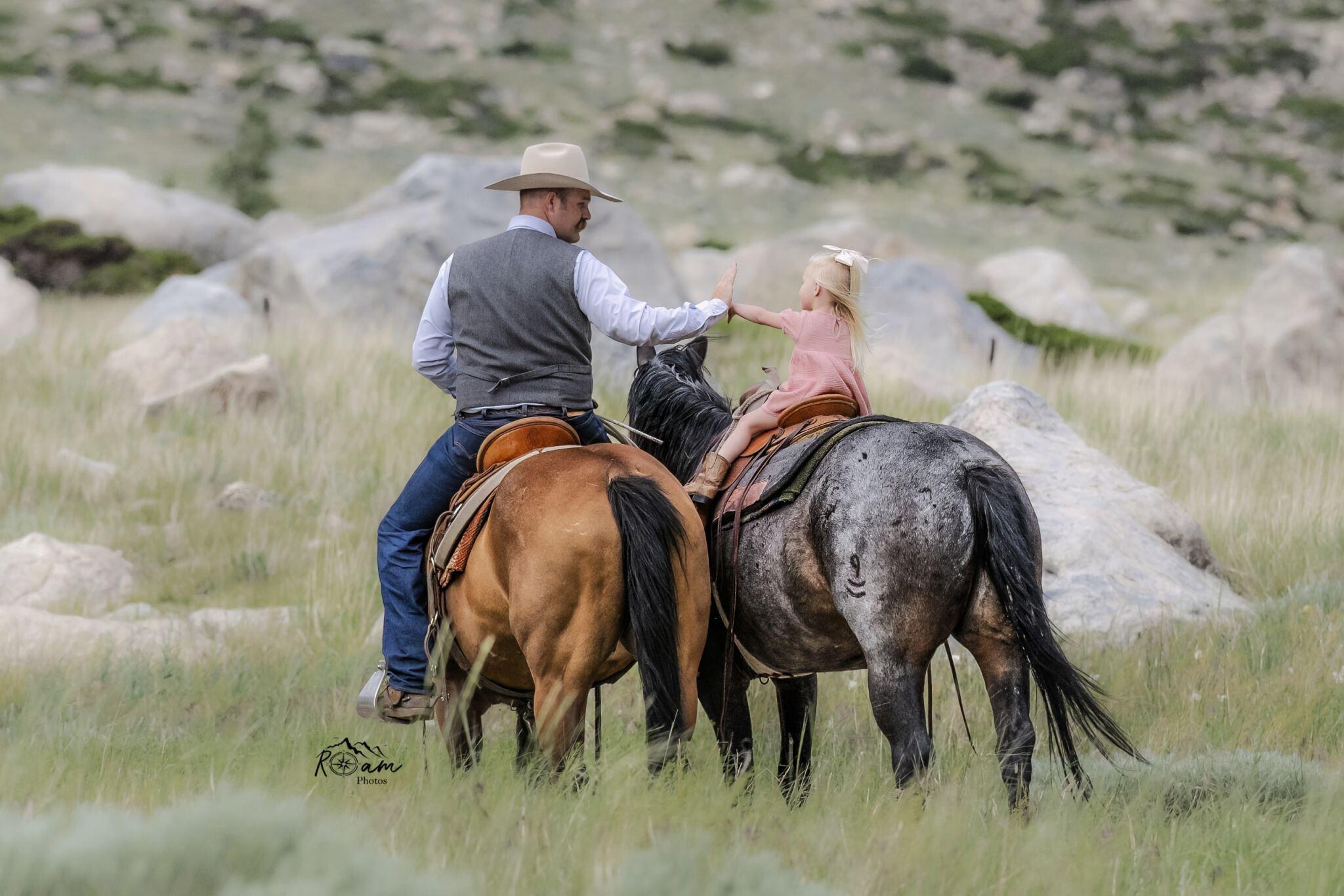
Photo by Jacqueline of Roam Photos
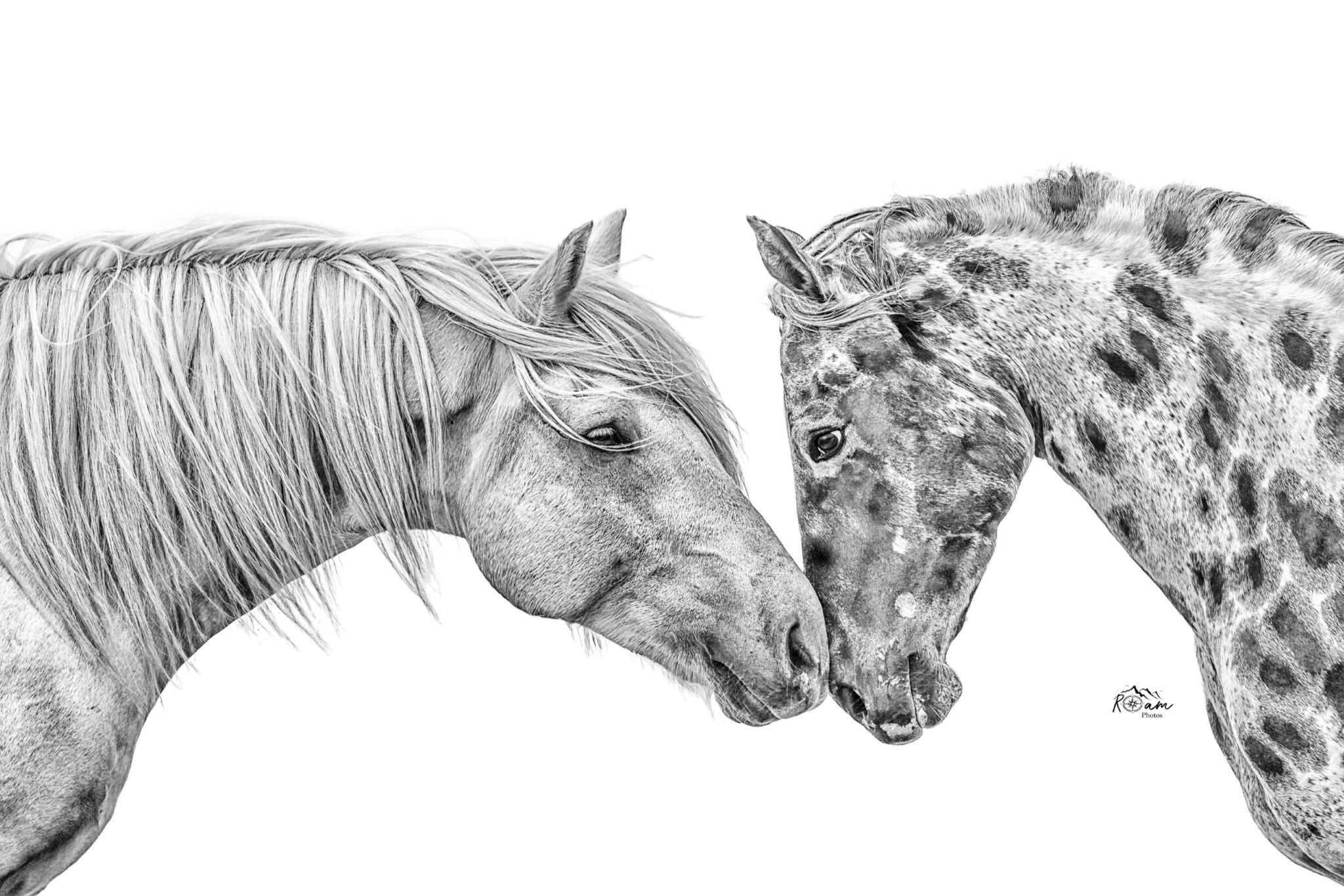
Photo by Jacqueline of Roam Photos
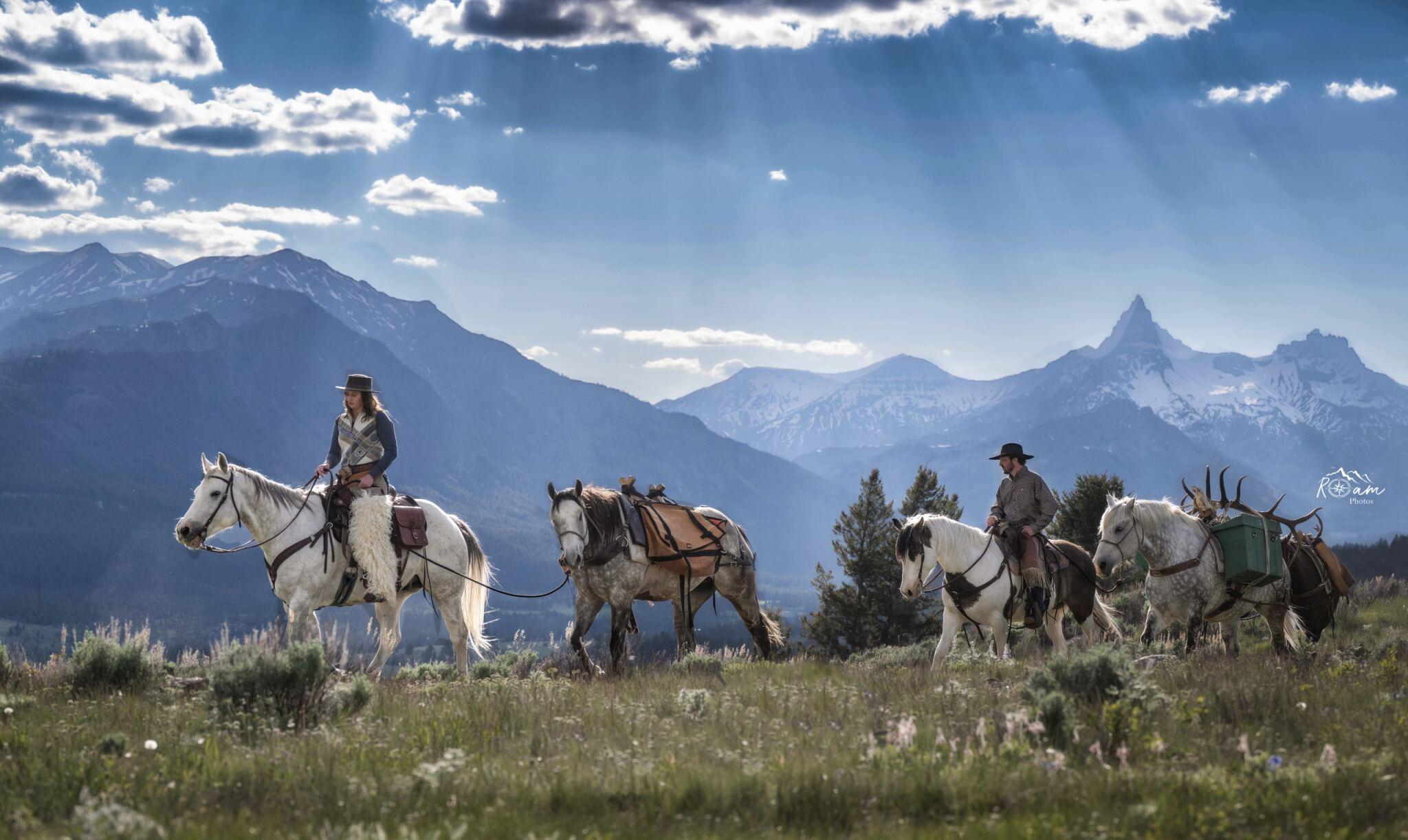
Photo by Jacqueline of Roam Photos
M: Do you have anything else you would like to share?
J: I am available for photo shoots in Western PA, Eastern OH and northern parts of WV. I offer full sessions, stud sessions, and mini sessions typically around the holidays. I also offer a shared session for three or more people, where each person chooses a reduced price package, and we will pick up to three locations, taking turns with each person and their horse.
Types of photography: Equine Portrait, Pet Portrait, Seniors, Engagement, Maternity.
