



Mythbuster Monday: A Horse’s Tail Positioning Indicates Its Mood
On Mythbuster Monday, we tackle a variety of equestrian myths to either bust or confirm. Today’s discussion: Does a horse’s tail positioning tell you their mood?
It’s Mythbuster Monday, where Horse Nation dives into different equestrian myths and provides research-based evidence to either bust or confirm those myths. Today’s topic: Does a horse’s tail positioning tell you their mood? Does tail carriage signify different moods? Read on to find out!
Myth: A horse’s tail positioning indicates its mood
Myth or Fact: Mixed
Canva/CC
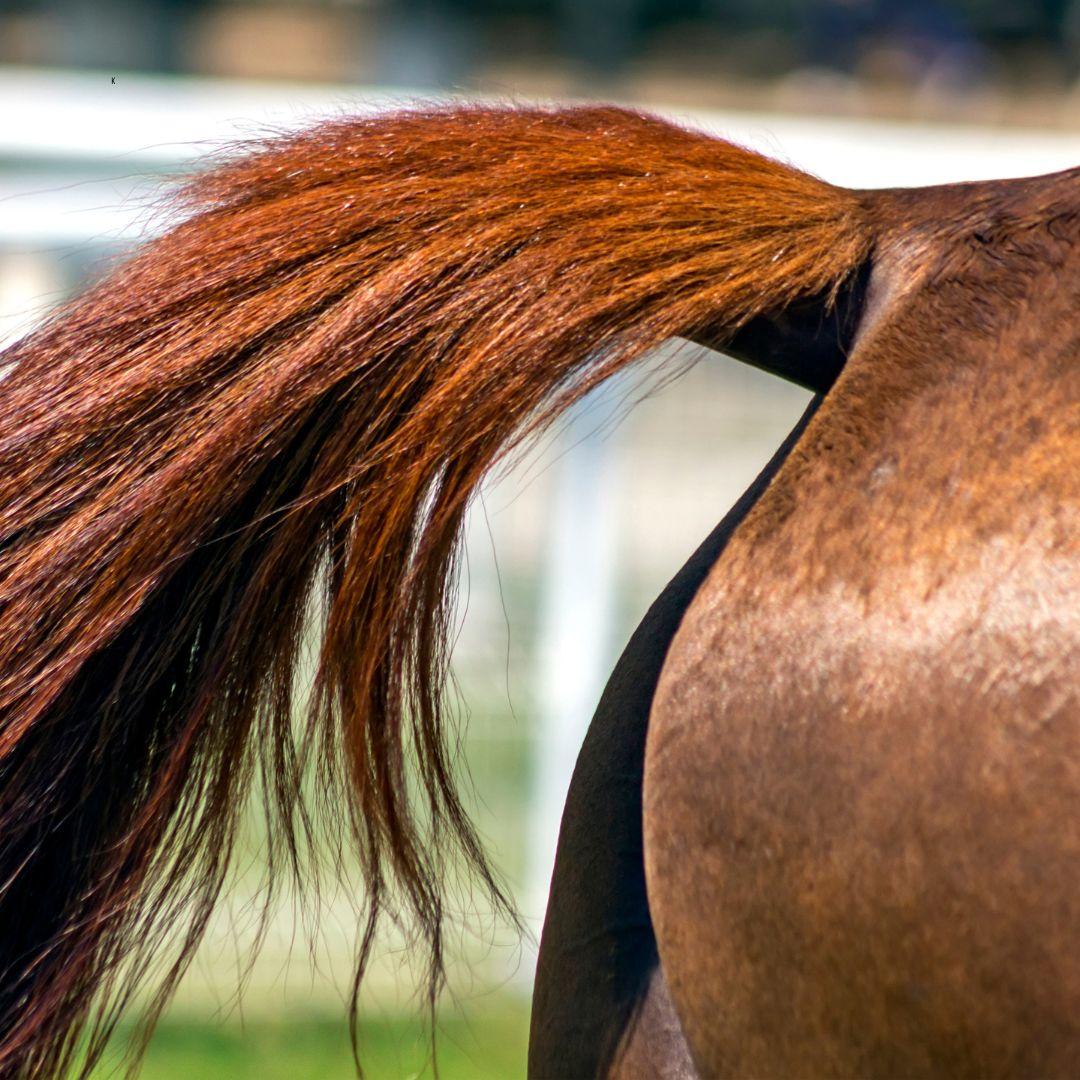
A horse’s tail is an intricate extension of its spine, composed of bone, muscle, nerves, tendons, and connective tissue that all work together to provide both function and expression. The tail begins at the coccygeal vertebrae, typically numbering between 18 and 21 small bones that gradually taper toward the tip. Surrounding these bones are layers of powerful muscles, particularly the coccygeal and levator ani groups, which control the tail’s movement and positioning. Richly supplied with nerves, the tail allows the horse to flick away insects with precision and communicate subtle shifts in tension or relaxation. The outer covering is made up of skin, hair follicles, and long coarse hairs, giving the tail its characteristic swishing form and making it an essential structure for balance, protection, and thermoregulation.
But, does the tail positioning tell you the horse’s mood?
Canva/CC
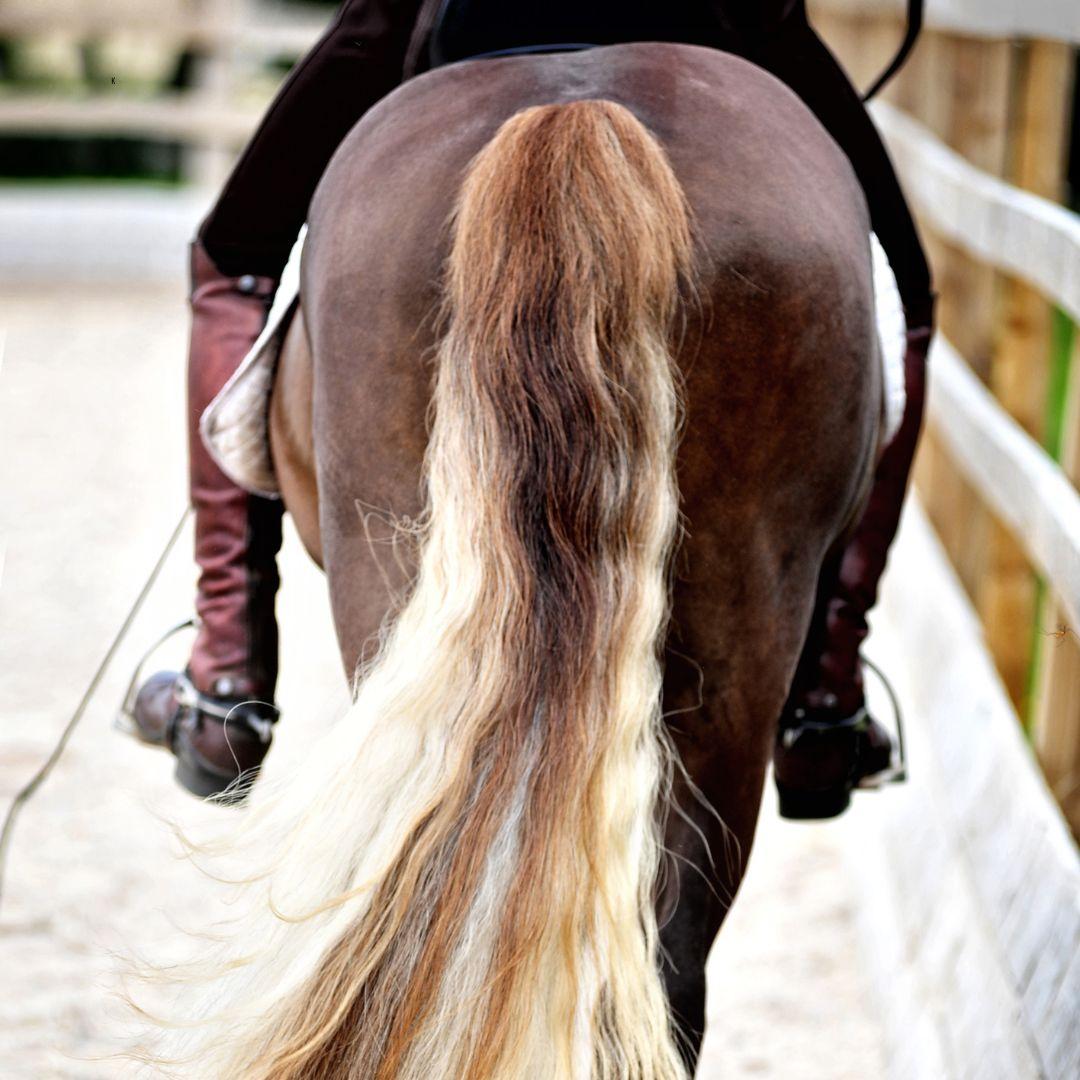
According to the article “Heads or Tails,” by The Literate Equine, a horse’s tail carriage and movement can offer valuable insights into its physical and emotional state, but it should never be read as an exact indicator of mood. The author explains that a relaxed tail, naturally hanging when the horse is calm or gently swaying in rhythm with its gait, generally reflects comfort, while variations such as a tightly clamped, high, or rapidly swishing tail often suggest tension, discomfort, or displeasure. However, the article emphasizes that tail behavior is highly individual and influenced by factors such as conformation, breed, and natural carriage. Before interpreting what a horse’s tail “means,” one must first understand what is normal for that particular animal. The author warns that oversimplifying these cues, such as assuming a raised tail means happiness or a swishing tail means joy, can lead to miscommunication and neglect of underlying physical or emotional issues. Ultimately, the article encourages horse owners and riders to observe tails as part of the broader picture of equine body language, rather than relying on them as a standalone mood gauge.
Canva/CC
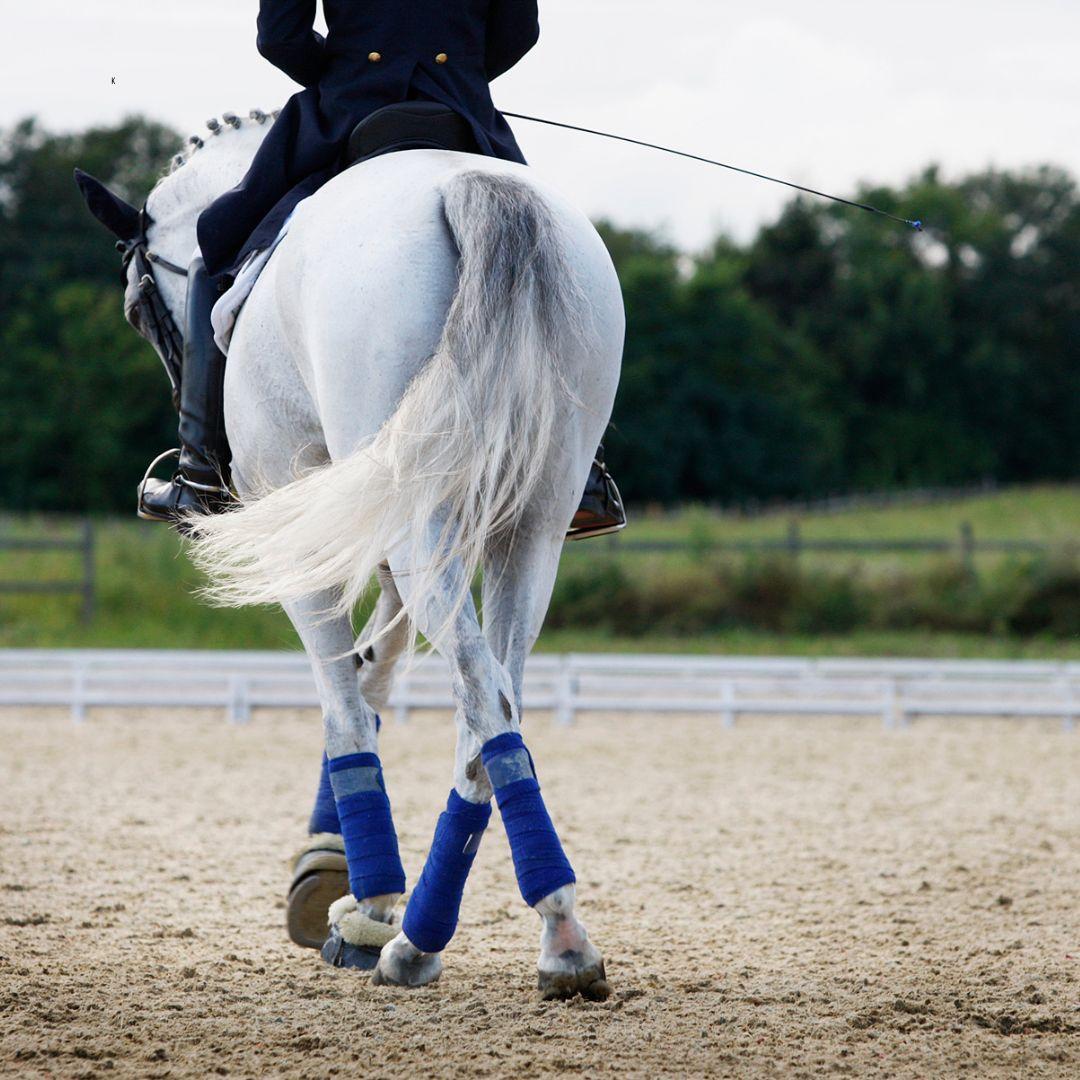
An article by Equus Magazine titled “What Your Horse’s Tail Tells You” states that while a horse’s tail is an important communication tool, it should be interpreted with nuance rather than assumed to reveal a fixed emotional state. Firstly, the piece outlines the anatomy of the tail showing that the tail is a complex physical structure, not just a flag.
Building on that anatomical base, the article explains how tail carriage and motion can reflect a range of states, such as alertness, readiness to move, discomfort, irritation or even pain. For example: a tail held unusually high or flagged may indicate excitement and possibly a reduced focus on the rider; a tail tightly clamped down often suggests nervousness or physical discomfort (especially under saddle); and rapid side-to-side swishing is described as a clearer signal of irritation or frustration than the more casual fly-swish.
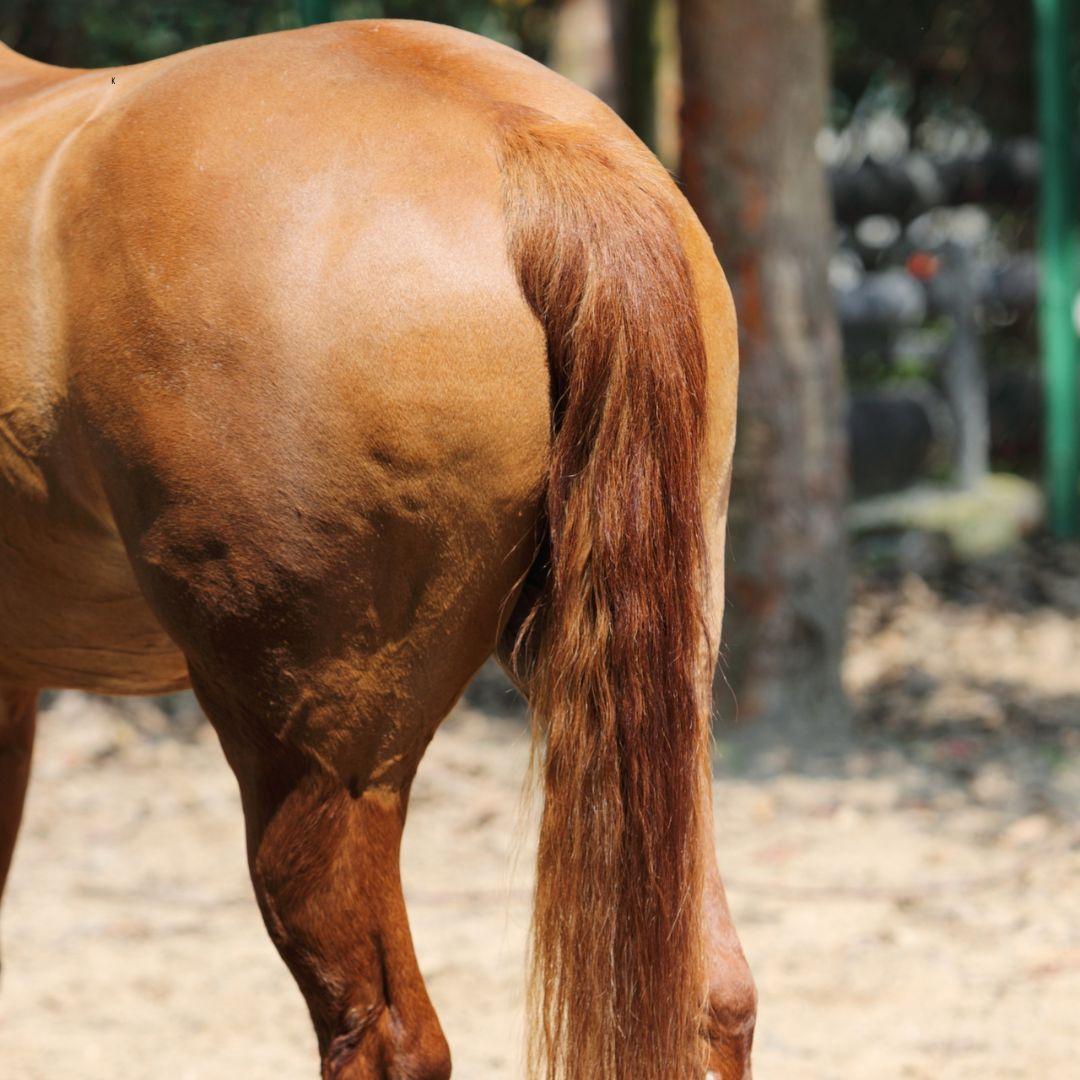
However, the key message is that tail position or movement is one clue among many and not a standalone mood indicator. The article emphasises that context (what the horse is doing, whether he is ridden or at rest), the individual’s normal tail carriage, overall body language and the presence of physical triggers must all be considered to avoid misinterpretation.
Canva/CC
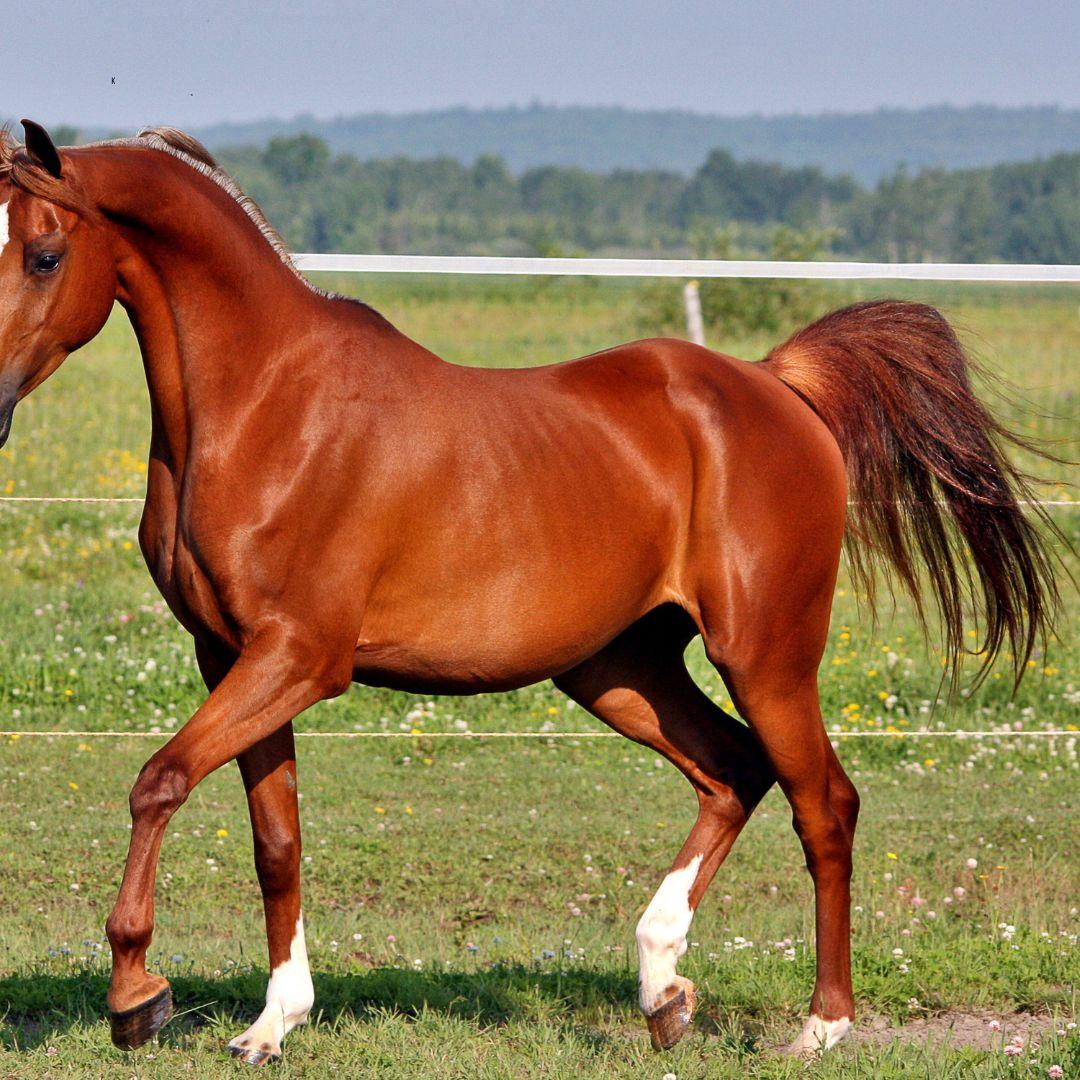
Another article by The Open Sanctuary Project titled “Understanding Horse Body Language: The Tail” writes that tail position in horses must be interpreted with context and individual variation in mind. The piece explains that, for example, when a horse raises or flags its tail, it could be expressing positive excitement or spirited energy, but equally, the exact same tail raise could signal alarm or fear depending on the situation. The article lays out a range of tail positions, relaxed (hanging vertically, light movement), alert (slight stiffening or lift), alarmed (tail high, stiff, maybe tail clamped), and pairs each with other body-language cues (ears, eyes, body tension) and environmental context. Importantly, the author emphasises that because of factors like prior injury, breed differences, tail docking or blocking, and individual normal posture, relying on tail position alone can lead to misreading a horse’s emotional or physical state. The key takeaway: a horse’s tail is one piece of the communication puzzle, and must be read alongside what the rest of the horse’s body is saying and what’s happening around them.
Canva/CC
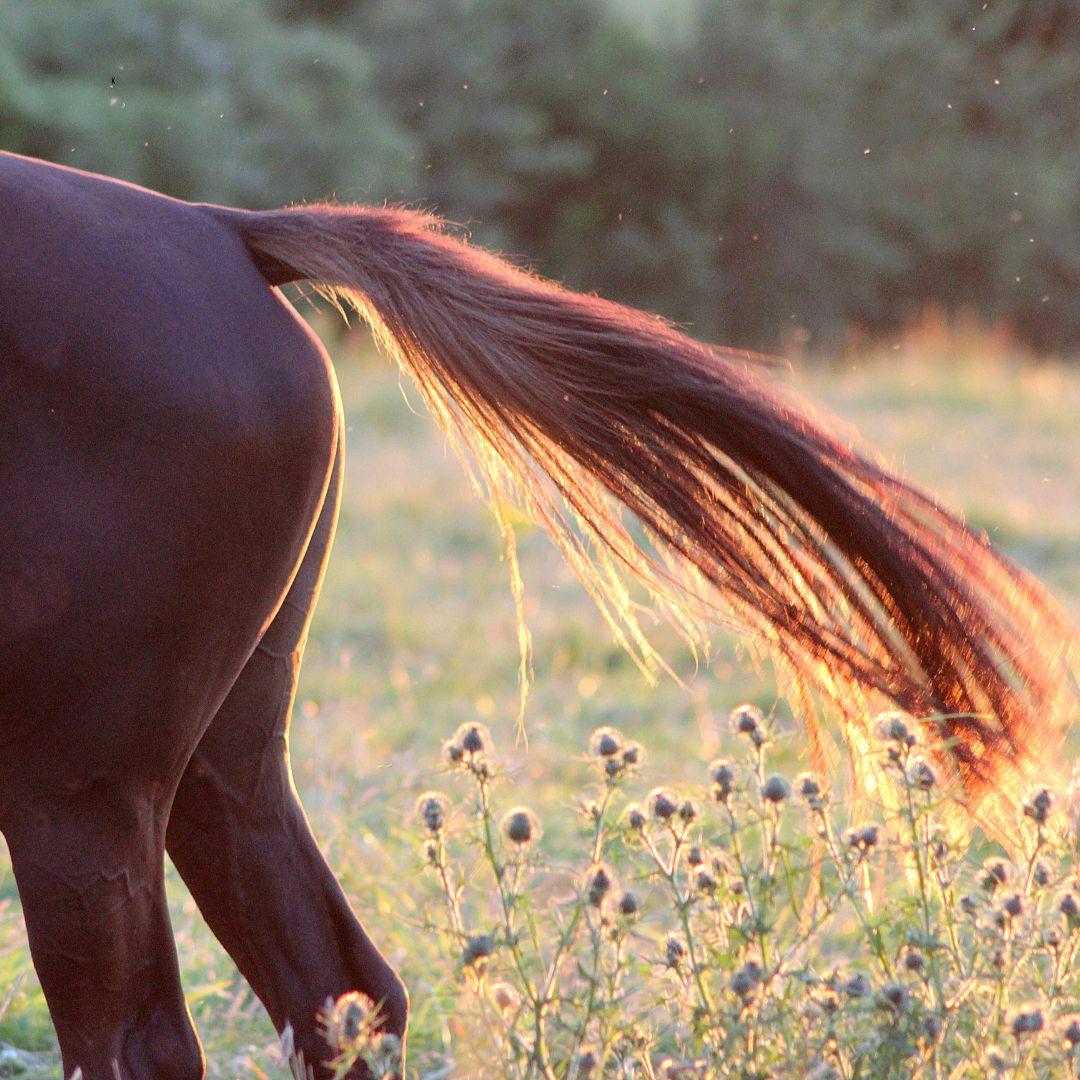
Horse & Rider found in their article “Let’s Talk Tails” that a horse’s tail is not just a window into emotion but also a key indicator of physical health and biomechanics. The article explains that the tail plays an important role in balance, movement, and communication. It notes that a tail clamped tightly down can indicate fear or discomfort, and when a horse is under saddle, this position may even serve as a warning sign that the animal is about to buck or kick. The piece emphasizes that unusual or repetitive tail behavior, such as excessive swishing or an abnormal carriage, can often signal underlying pain or physical tension rather than a simple emotional response. In essence, Horse & Rider stresses that tail movement and position should never be viewed as a standalone mood gauge; they must be interpreted in the context of the horse’s overall health, comfort, and body language.
Canva/CC
After diving into the research, it’s clear that the myth claiming a horse’s tail position reveals its exact mood oversimplifies a far more complex form of communication. Each article reinforces that while a horse’s tail can reflect elements of tension, relaxation, excitement, or discomfort, it cannot be read in isolation as a direct emotional translation. Tail movement often indicates tension or unease rather than clear-cut feelings like happiness. Anatomy, physical health, and biomechanics are important factors influencing tail behavior. Context, such as the environment, the horse’s body language, and individual differences, must always be considered before making assumptions. Collectively, the findings reveal that a horse’s tail is one piece of a much larger body-language puzzle; it can offer clues, but only when interpreted alongside posture, facial expressions, and situational factors.
Do you have an equine myth you’d like us to tackle? If so, send it our way! Email your suggestions to [email protected]. Put Mythbuster Monday in your subject line.
