



Mythbuster Monday: Shoes Make a Horse Faster
On Mythbuster Monday, we tackle a variety of equestrian myths to either bust or confirm. Today’s discussion: Do shoes make a horse faster?
It’s Mythbuster Monday, where Horse Nation dives into different equestrian myths and provides research-based evidence to either bust or confirm those myths. Today’s topic: Do shoes make a horse faster? Do they get more traction with shoes? Do all performance horses need shoes? Read on to find out!
Myth: Shoes make a horse faster
Myth or Fact: Myth
Canva/CC
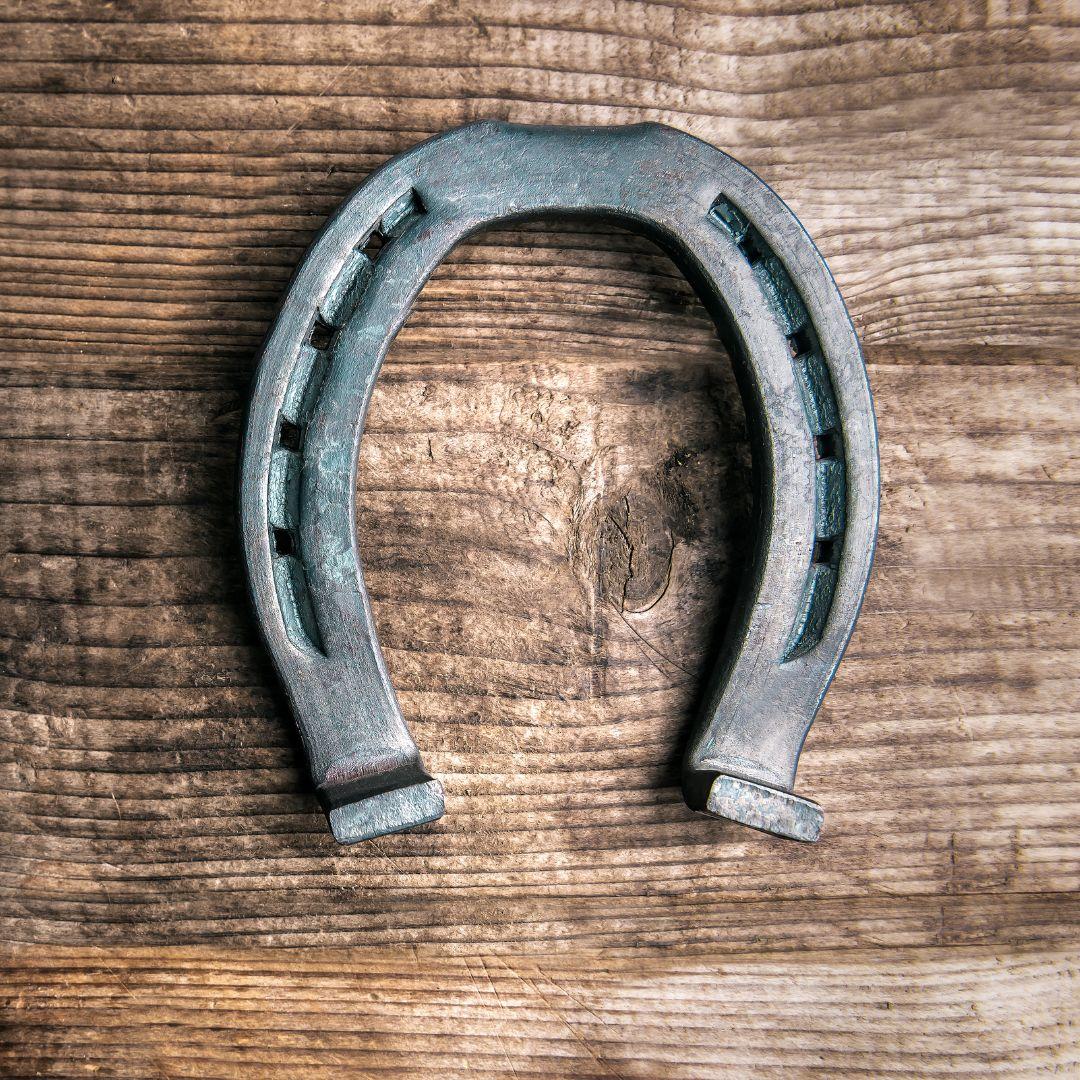
For centuries, the metallic “clip-clop” of horseshoes has echoed through history: from cavalry lines to racetracks, farm fields, and show arenas. Horseshoes are protective coverings, most commonly made of steel or aluminum, that are nailed or glued to a horse’s hooves. They’re designed to protect the hoof from excessive wear, provide traction, and sometimes even correct imbalances in a horse’s movement or conformation. Just like human footwear, not every horse needs the same type of shoe, and the right choice depends on the animal’s job, environment, and hoof health.
For working and performance horses, shoes can help manage the stresses placed on their feet during demanding activity. A racehorse, for instance, might wear lightweight aluminum shoes that reduce the energy cost of each stride. A trail horse, on the other hand, could benefit from shoes with extra grip to handle slick or rocky terrain. Some horses wear specialized shoes to support healing from injuries or to correct conformation issues that might otherwise cause pain or lameness.
While shoes play an important role in equine care and performance, they’re not a one-size-fits-all solution. Many horses perform well barefoot with proper maintenance and management. The decision to shoe, and how, depends on the unique balance between protection, performance, and natural hoof function.
But, do shoes make a horse faster?
Canva/CC
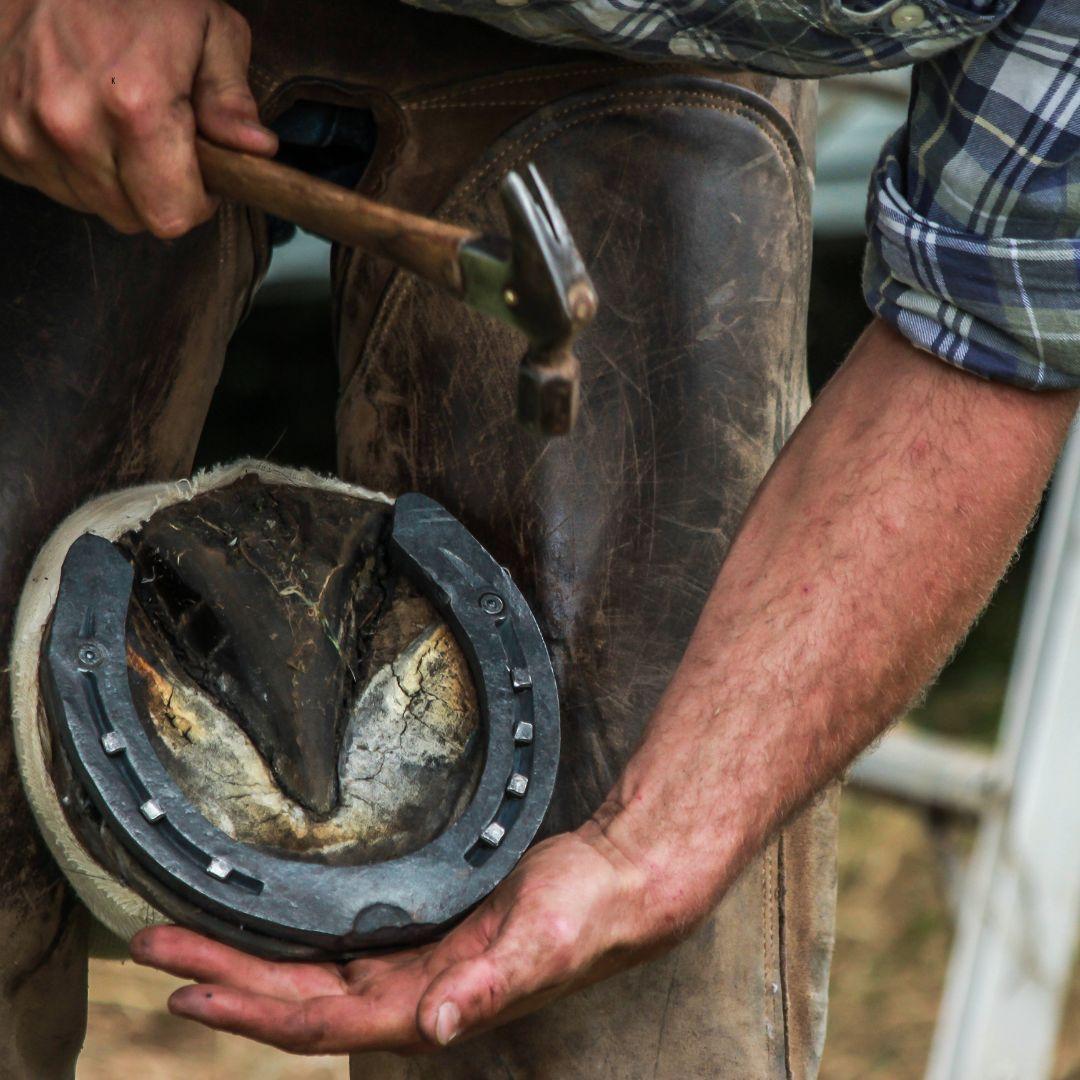
In “Speed and the Influence of Shoeing,” the article explores how shoeing, or the removal of shoes, affects race performance, challenging the long-standing belief that horseshoes inherently make horses faster. Using data from French harness racing, the piece analyzes how barefoot horses, particularly in lower-class races, often outperformed their shod counterparts. The reasoning is partly mechanical: each metal shoe adds roughly 200 grams of weight per hoof, which increases the energy cost of every stride and slightly alters the horse’s natural movement. By contrast, barefoot horses can move more freely and with greater efficiency, especially on well-maintained track surfaces. However, the article also notes that shoeing has benefits in terms of protection and traction, which can become important on rougher or more abrasive terrain. Ultimately, the findings highlight that speed and performance are not simply enhanced by adding shoes; rather, the right choice depends on the horse’s discipline, surface, and individual biomechanics. The takeaway is horseshoes are a tool, not a shortcut to speed.
Canva/CC
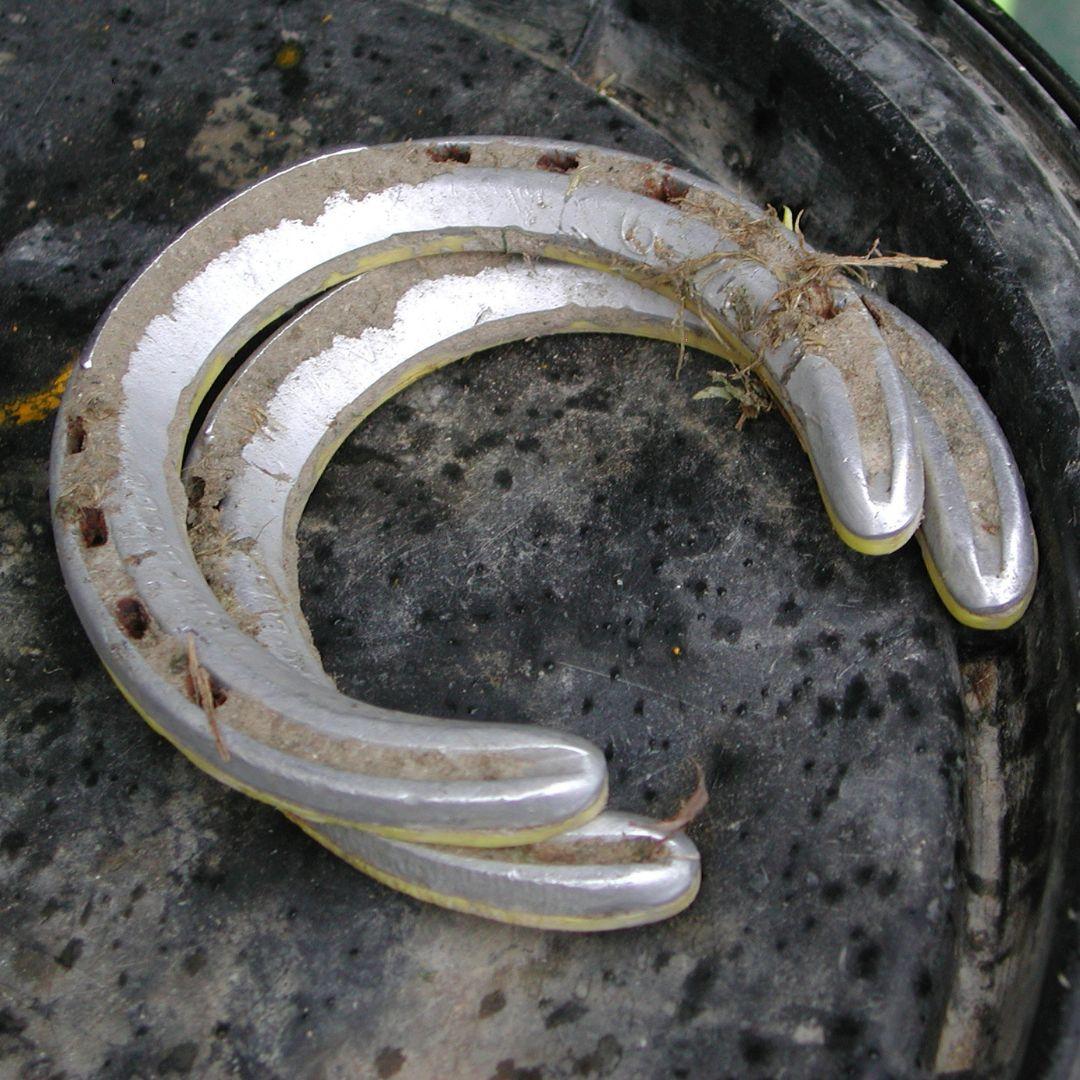
In “The Effect of Horseshoes and Surfaces on Horse and Jockey Centre of Mass Displacements at Gallop,” researchers investigated how various types of horseshoes and track surfaces influence the movement dynamics of the horse-and-rider system at high speed. The study compared four shoeing conditions, aluminum, steel, GluShu, and barefoot, across both turf and artificial surfaces, measuring how these combinations affected the vertical and horizontal displacements of the horse’s and jockey’s centers of mass. The results revealed that the interaction between shoe type and surface had a significant biomechanical impact, influencing stride pattern, energy efficiency, and stability. However, the study did not find any consistent evidence that shoeing directly increases speed. Instead, it showed that while shoes can change how forces are distributed through the limbs and how efficiently a horse moves, the effects are highly context-dependent. On some surfaces, a lighter or more flexible shoe, or no shoe at all, allowed for smoother motion and less energy loss, while on others, traction provided by certain shoes improved balance but not necessarily pace. The key takeaway is that shoeing affects how a horse moves, not how fast it can move, debunking the oversimplified notion that putting shoes on automatically enhances speed.
Canva/CC
In “Do Horses Need Shoes? The Pros and Cons of Shoeing,” the article provides a balanced and educational look at why horses are shod and what factors determine whether a horse truly benefits from wearing shoes. It begins by explaining the fundamental purposes of shoeing, protecting the hoof from wear on abrasive surfaces, improving traction, offering additional balance and support, and correcting conformational or movement-related issues. From there, it delves into the misconceptions surrounding shoes and performance, particularly the belief that they inherently make horses faster or better athletes.
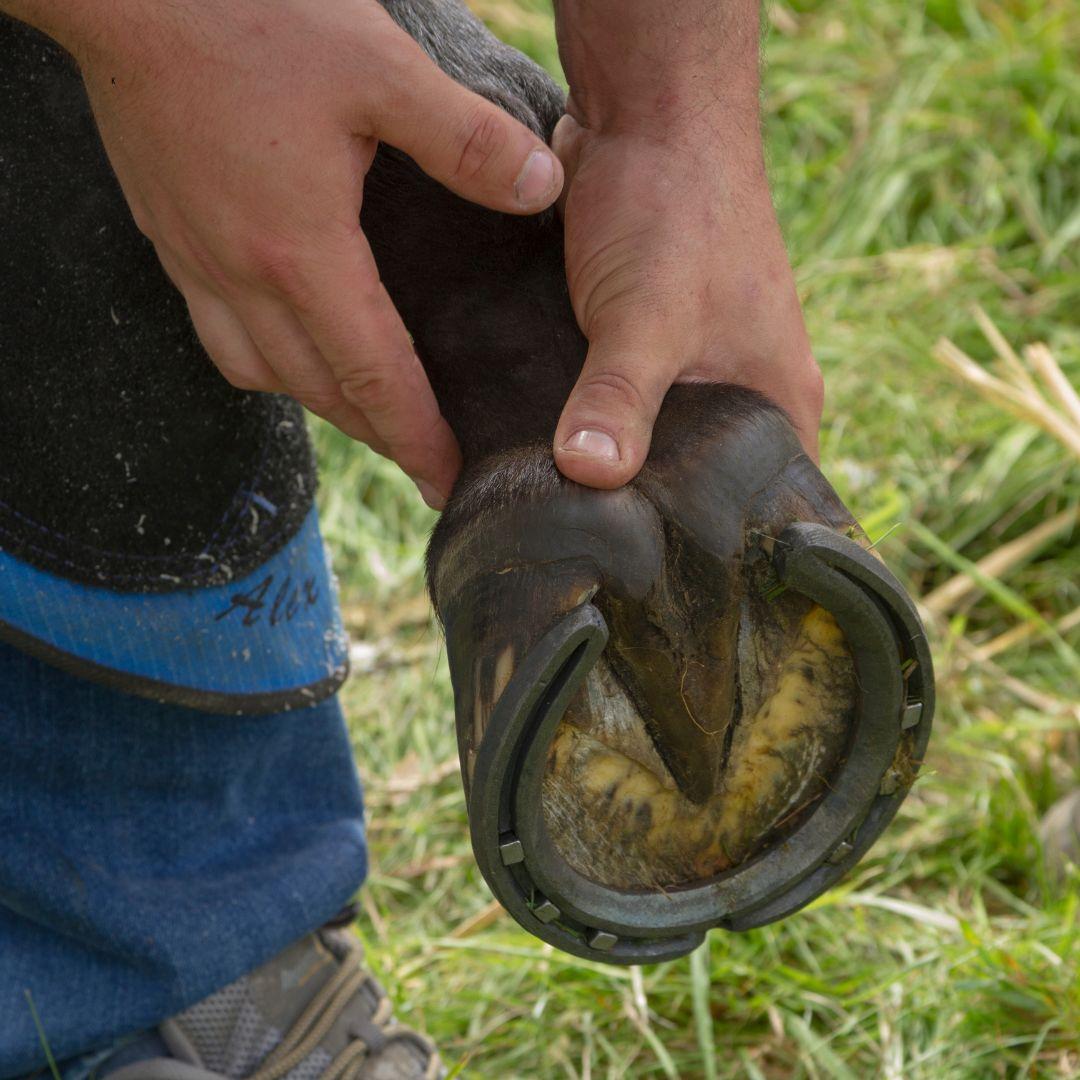
Through interviews with farriers and trainers, the article emphasizes that performance gains depend on the fit between the horse’s individual needs and the environment it works in, not on the presence of shoes alone. For example, a horse performing on hard, rocky, or slick terrain might need shoes for protection and grip, while another working on forgiving footing could perform equally well barefoot. It points out that horseshoes add weight to the limbs, which can subtly alter stride timing and the horse’s natural way of going; factors that can actually reduce efficiency if not carefully managed. Moreover, many barefoot horses, when maintained properly with regular trimming and conditioning, demonstrate excellent soundness, traction, and speed comparable to their shod peers.
The article ultimately dismantles the idea that shoes are a shortcut to speed or superior performance. Instead, it frames shoeing as a tool for management and protection, beneficial in some contexts but unnecessary or even counterproductive in others. Optimal performance comes from thoughtful hoof care and individualized decision-making, not just adding metal shoes. The notion that “shoes make horses faster” is a myth born out of generalization rather than science or practice.
Canva/CC
These three articles collectively debunk the myth that horseshoes automatically make horses faster. Across scientific research and practical observation, a consistent theme emerges: shoes alter biomechanics, traction, and protection, but they do not inherently improve speed. One study demonstrated that barefoot horses in harness racing often performed better than shod ones, suggesting that reduced limb weight and a more natural stride can enhance efficiency. Research added nuance by showing that different shoe and surface combinations affect movement dynamics, but none consistently resulted in greater speed, proving that performance depends on multiple interacting factors rather than shoeing alone. Finally, shoeing is a management choice tailored to the horse’s work, terrain, and individual conformation. In some cases, shoes improve traction and support; in others, they add unnecessary weight or interfere with natural motion. Together, these sources reinforce that horseshoes are a tool for protection and balance, not a guaranteed formula for faster performance.
Do you have an equine myth you’d like us to tackle? If so, send it our way! Email your suggestions to [email protected]. Put Mythbuster Monday in your subject line.
