



End of an Era: Colorado’s Wild Horse Inmate Program Prepares to Come to a Close
For three decades, a unique Colorado program has given incarcerated individuals the chance to rebuild their lives while helping wild mustangs find new beginnings of their own. But after 30 years, that chapter is coming to an end.
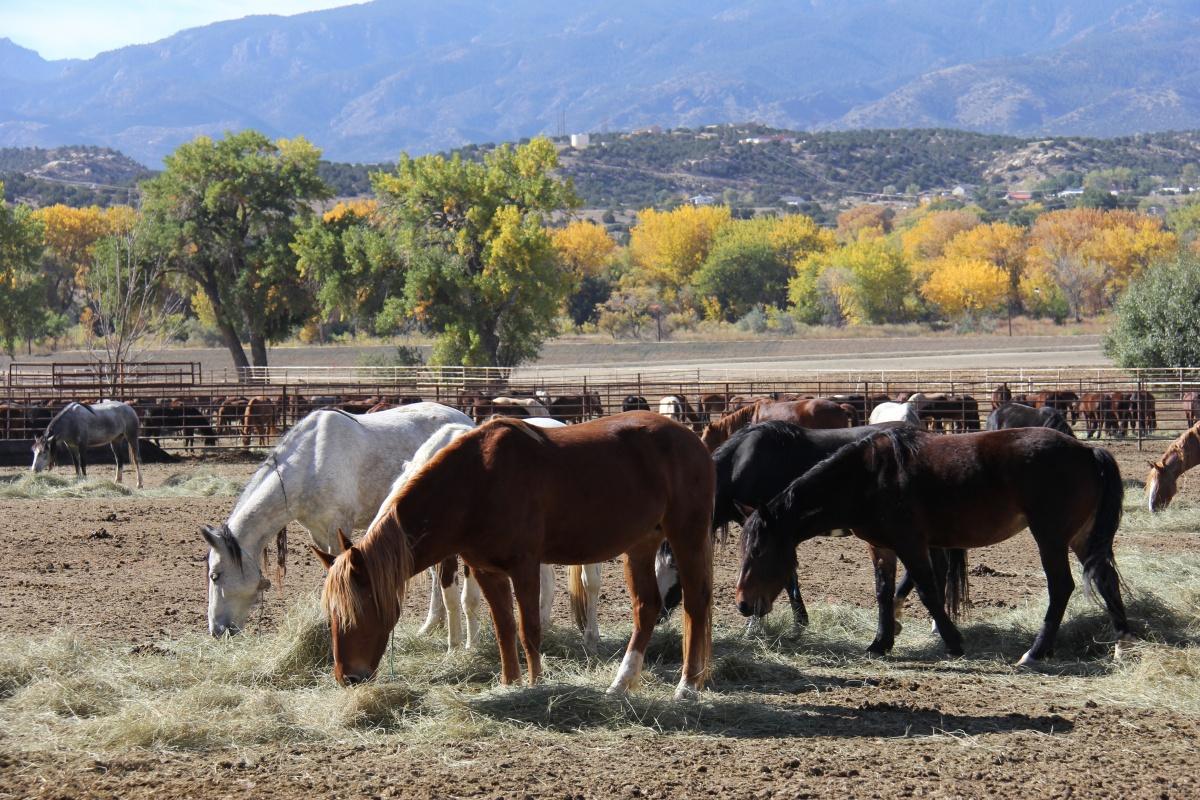
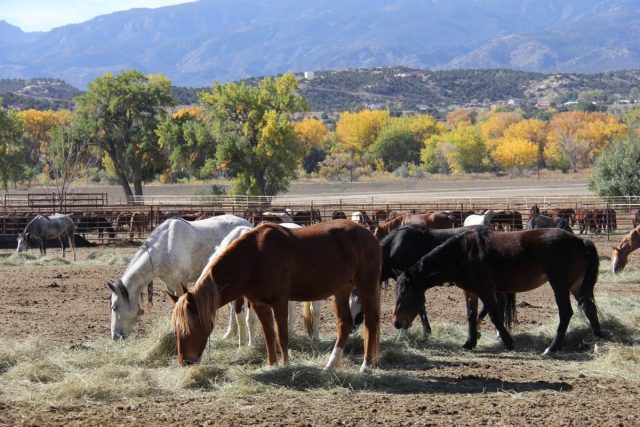
Wild horse adoption center at Canon City. Photo courtesy of BLM.
The Wild Horse Inmate Program (WHIP) — a partnership between the Bureau of Land Management (BLM) and the Colorado Department of Corrections (CDOC) — has officially wound down after the BLM announced it would not renew its longstanding contract with the East Cañon City Prison Complex.
Since its start, the program has offered a rare combination of rehabilitation and horsemanship. Around 30 inmates at a time were given the opportunity to work hands-on with wild horses gathered from areas like the Sand Wash Basin, gentling and preparing them for adoption. For the people involved, it wasn’t just job training — it was purpose. And for the mustangs, it was a lifeline.
In a 2021 tour of the facility, CBS Colorado described rows of corrals filled with horses mid-transition — still wary, but learning to trust again. Those moments of quiet connection between horse and human were what made WHIP something special: two populations, both needing a second chance, helping each other find it.
Unfortunately, rising operational costs at the Cañon City facility ultimately contributed to the program’s end. The BLM says it will now relocate most of the 2,000+ wild horses currently housed there to off-range pastures in Wyoming, while working to place roughly 100 Colorado mustangs into new adoptive homes.
“We are saddened by the discontinuation of this successful partnership and impactful program,” said Andre Stancil, Executive Director of CDOC. “We’re proud of the legacy this program leaves behind — for participants, staff, and the community.”
While the loss of the WHIP partnership stings for many who’ve witnessed its impact, advocacy groups are hopeful that it won’t be the end of this story. Friends of the Mustangs President George Brauneis said the organization will continue to work with BLM and other partners to create opportunities for horses and handlers alike — and hopefully, model new programs nationwide.
For now, the incarcerated trainers and state employees who participated in WHIP will be reassigned to other vocational and departmental roles. The hope is that what they learned — empathy, discipline, and the quiet patience horses demand — will stay with them, long after the corrals are empty.
It’s hard not to feel the weight of this ending. Programs like WHIP don’t just rehabilitate people or prepare horses for adoption — they remind us what’s possible when compassion and horsemanship meet. As the last mustangs leave Cañon City, they carry with them the spirit of connection that made this partnership so remarkable.
Because in the end, this wasn’t just a program about taming horses. It was about healing humans.
The BLM is holding adoption events for many of the Sand Wash Basin Mustangs. You can get more information here:
