



Improving Your Riding: Give Yourself Grace
“Here’s something not many equestrians will say out loud: some days, it just isn’t there…Sometimes it feels heavy, sometimes you feel off, and sometimes, you wonder if you’re even making progress at all. That doesn’t make you a bad rider, and you’re not alone in your thought process.”
Riding horses is one of the most rewarding yet challenging activities we can do. It connects us to a partner and demands both physical skill and mental clarity. But, here’s something not many equestrians will say out loud: some days, it just isn’t there. Whether coming back from an injury, recovering from sickness, or simply finding yourself in a funk, riding isn’t always progress and breakthroughs. Sometimes it feels heavy, sometimes you feel off, and sometimes, you wonder if you’re even making progress at all. That doesn’t make you a bad rider, and you’re not alone in your thought process.
The key to improving your riding isn’t just about perfecting your seat, memorizing patterns, or strengthening your leg. It’s about learning to give yourself grace in the process. Grace when you’re frustrated, when your body isn’t cooperating, when your horse isn’t tuned in, and when motivation feels nonexistent.
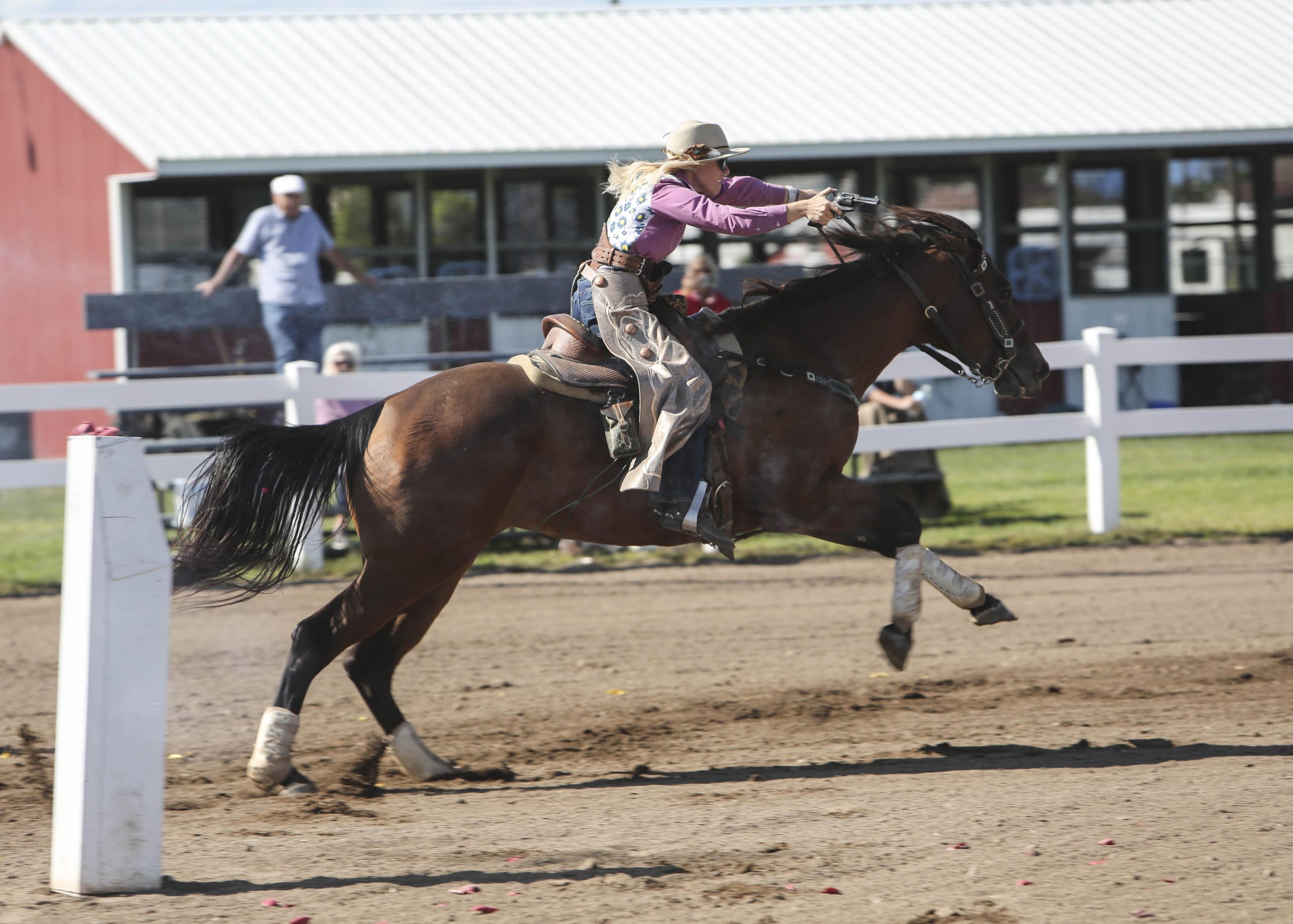
Photo by Valerie Ray Kunes
It’s easy to think that top riders, trainers, or competitors wake up every day with motivation and perfect focus. However, they don’t. Even the best have days when their horse isn’t listening, their body feels stiff, and the cues aren’t efficient. Add in life factors, injuries, illness, family responsibilities, financial stress, or the weight of being human, and you’ll understand that no one can be on their A-game all the time.
Some days you step into the barn and feel invincible. Other days you wonder why your saddle feels foreign or why your horse seems to have forgotten everything you worked on last week. It’s not failure — it’s part of the natural cycle of being a rider. The problem comes when we expect perfection from ourselves every single time. That pressure often leads to burnout, loss of joy, or even walking away from the sport altogether. Instead, we need to reframe: low days are part of the journey.
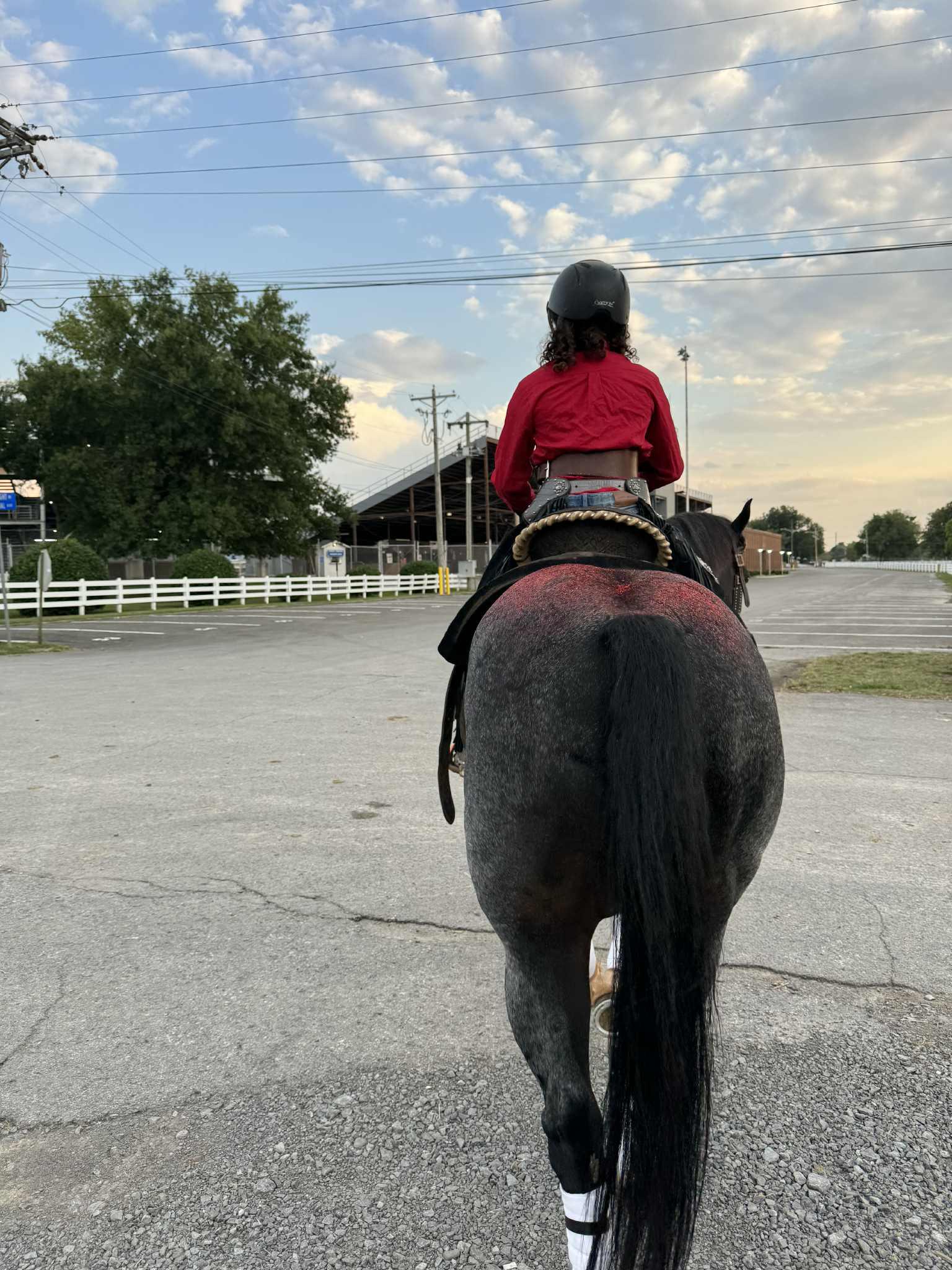
Photo by Marcella Gruchalak
Coming back from an injury or illness is one of the hardest tests of a rider’s mental state. Your mind may still remember exactly what you could do, but your body takes time to catch up. The gap can be frustrating, and many riders push themselves too quickly, only to end up re-injured or mentally defeated.
Grace is adjusting your timeline. Healing isn’t linear. Some days you’ll feel strong; other days, setbacks may appear. Progress is progress, even if it’s slower than you want. Grace is also celebrating small victories. Mounting without pain, posting the trot for a few minutes, or cantering a circle with balance are all milestones worth acknowledging. It’s also listening to your body. If your muscles or joints are sending signals, honor them. Rest is part of training, not the opposite of it. Lastly, let go of comparison. Don’t measure yourself against your pre-injury self or other riders who currently are further ahead. Your only competition is yesterday’s you. Grace is what helps you rebuild — not just your riding, but your confidence and trust in yourself.
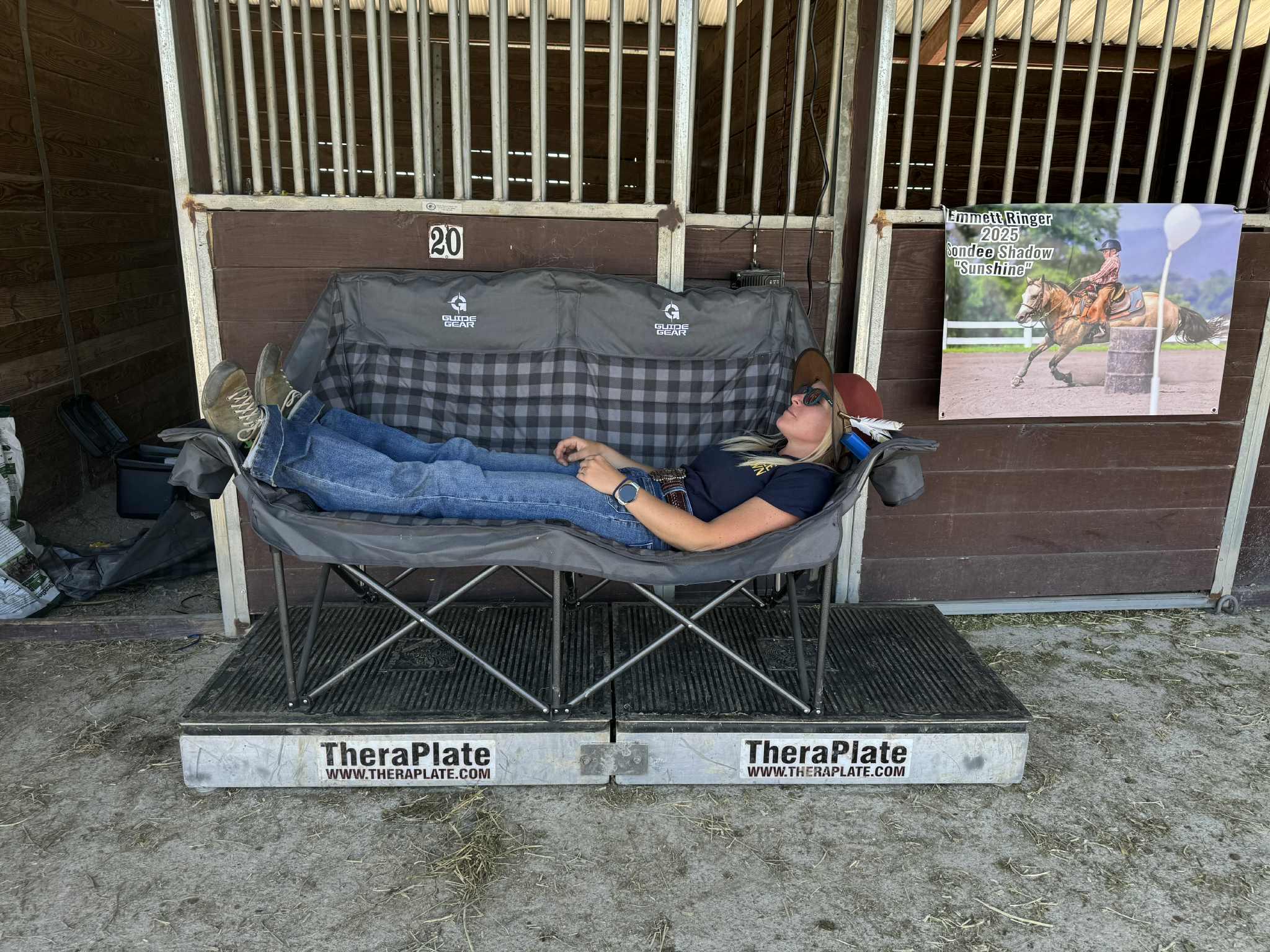
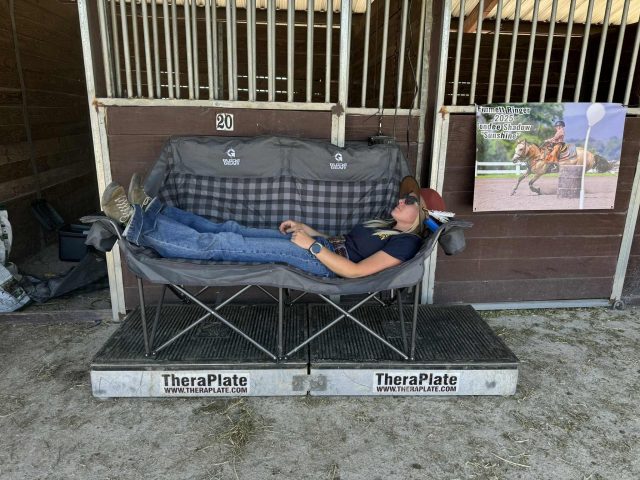
Taking a break, and nap, on the Theraplate after feeling defeated at the competition. Photo by Karen Wertz
Not every lull comes from a physical setback. Sometimes, you just fall into a mental or emotional funk. You go through the motions, but the spark isn’t there. Maybe it’s a week. Maybe it’s a month. And that’s okay. Every rider will experience this at some point.
The important thing is to recognize it without judgment. Instead of beating yourself up for losing motivation, acknowledge that your mind and heart sometimes need rest just as much as your body does.
You may be in a funk if riding feels like a chore rather than a joy. You leave the barn feeling more drained than filled. Your patience with your horse, or yourself, feels shorter. You question your abilities more than usual. These aren’t signs to quit. They’re signs to pause, reflect, and shift perspective.
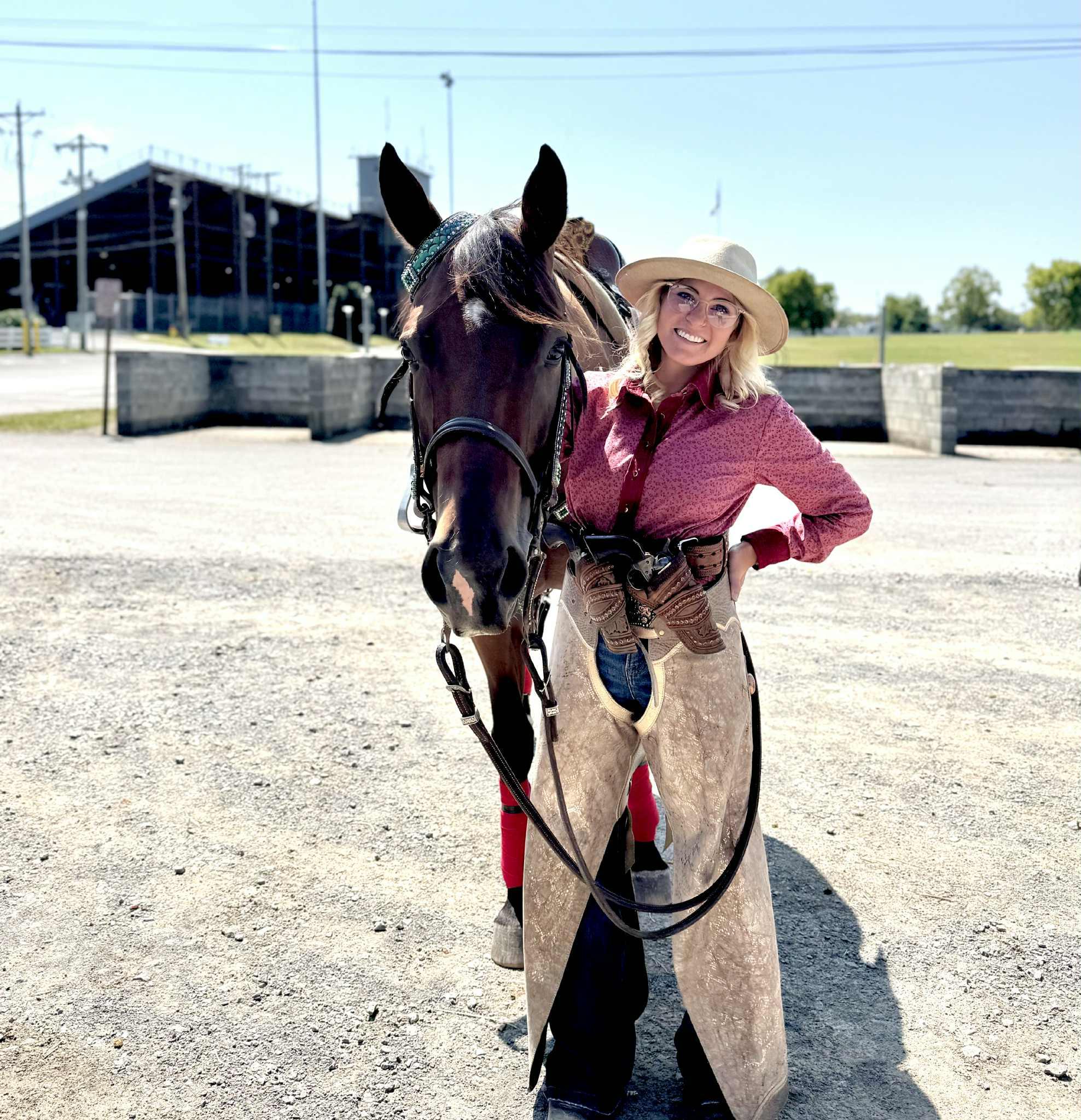
Smiling at the fact my horse and I made it this far this year. Photo by Kamille Huff
If you’re feeling stuck, revisit your “Why.” Why did you start riding in the first place? Was it the thrill of speed, the quiet connection with your horse, the beauty of mastering a skill, or a stress release? Sometimes we get so caught up in goals and results that we forget the original spark. Write it down. Remind yourself of the deeper purpose behind what you do.
Change your routine. If your rides feel repetitive, shake things up. Take your horse for a trail ride instead of drilling patterns. Set up fun obstacles. Ride bareback for connection. Try groundwork or liberty sessions. Go try a different discipline all together. A shift in activity can reignite both you and your horse’s energy.
Set micro-goals. Big goals like winning a competition or mastering a new skill can feel overwhelming when motivation is low. Instead, focus on micro-goals:
-
“Today I’ll focus on keeping my hands soft.”
-
“Today I’ll enjoy the ride without pressure.”
These small wins build confidence and momentum.
Surround yourself with support. Riding can feel lonely, especially if you’re struggling. Surround yourself with uplifting barn friends, a coach who believes in you, or even online communities where riders share the ups and downs. Talking about the struggle makes it less heavy.
Practice gratitude with your horse. Shift focus from what’s wrong to what’s right. Before or after your ride, spend a few minutes appreciating your horse: their effort, their personality, their willingness to partner with you. Gratitude changes the energy of your ride.
Take pressure off performance. Not every ride needs to be about improvement. Sometimes the most valuable rides are the ones where you simply enjoy being with your horse, no agenda. The barn is not just a training ground, it’s also a sanctuary.
Care for yourself outside the saddle. Your riding is only as strong as your overall well-being. Sleep, nutrition, hydration, and mental health play huge roles in how you feel in the saddle. Prioritize caring for yourself holistically.
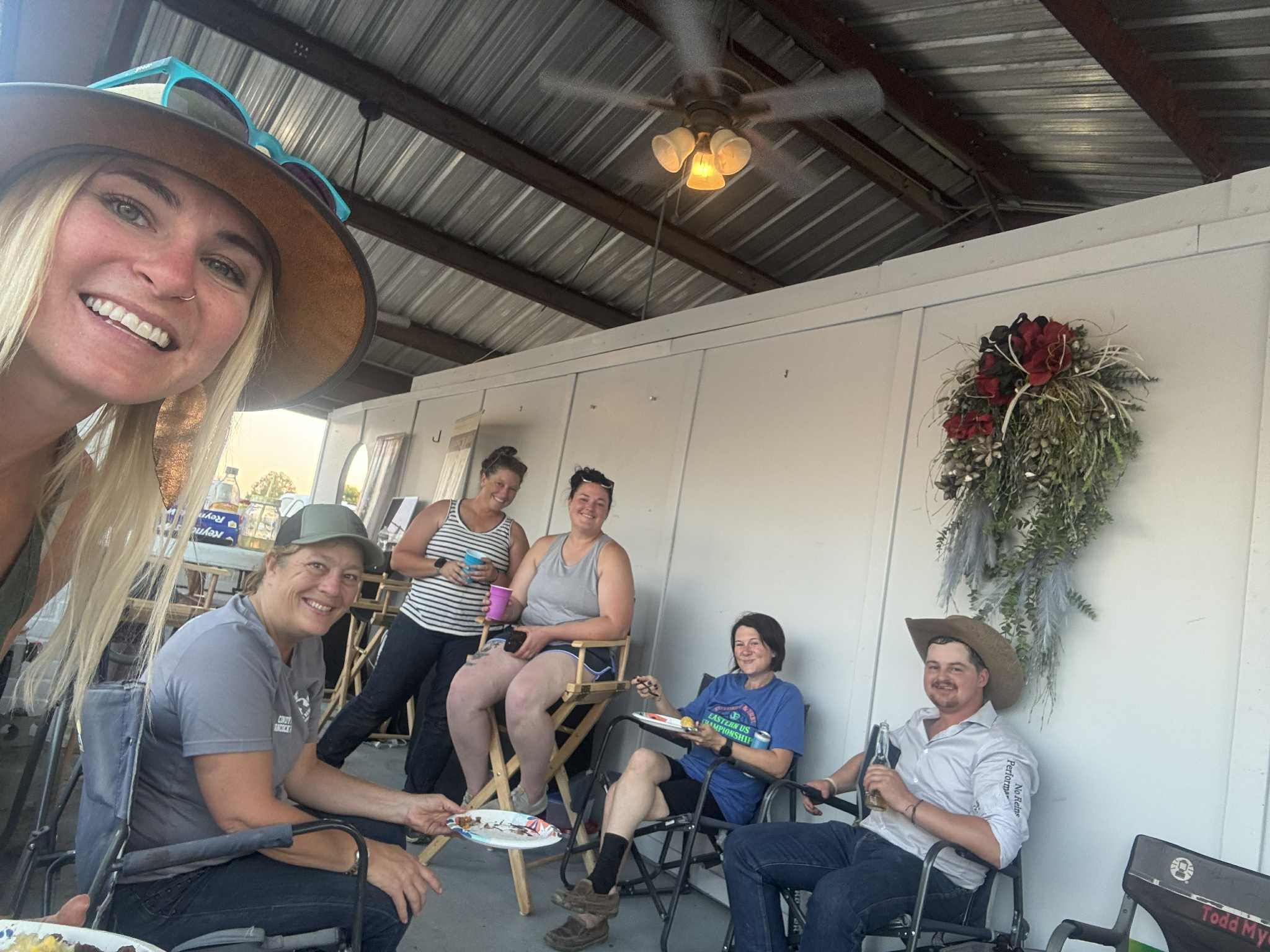
Surrounded, and having a group dinner, with some of the best equestrians I know. Photo by Marcella Gruchalak
One of the most important truths in riding is that it will always be a journey of peaks and valleys. You’ll have seasons of rapid progress and seasons where everything feels stagnant. Both are valuable. The peaks build your excitement; the valleys build your resilience. Improvement doesn’t happen in a straight line. It happens in cycles: ride, reflect, rest, retry. By giving yourself grace in the harder seasons, you actually set yourself up for bigger breakthroughs later.
Improving your riding isn’t just about better cues, sharper aids, or more competitive results. It’s about learning how to navigate the inevitable ups and downs with patience and kindness toward yourself. Some days you’ll feel like a champion. Some days you’ll wonder if you’ve forgotten everything. Some days you’ll need to step away and breathe. All of it is part of the rider’s path.
So, if you’re coming back from an injury, fighting off illness, or just battling a season of low motivation, give yourself grace. Remember that you are not behind. You are not failing. You are in that point where the progress hasn’t caught up yet.
