



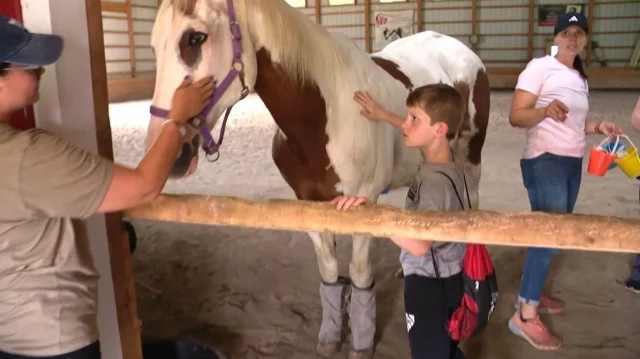
How Horses Are Helping Children Overcome Speech and Language Disorders
Horses aren’t just partners in the arena—they’re also helping children find their voices. A new pilot program in Ohio is showing how equine-assisted therapy can boost confidence and improve speech and language skills for kids with communication challenges.
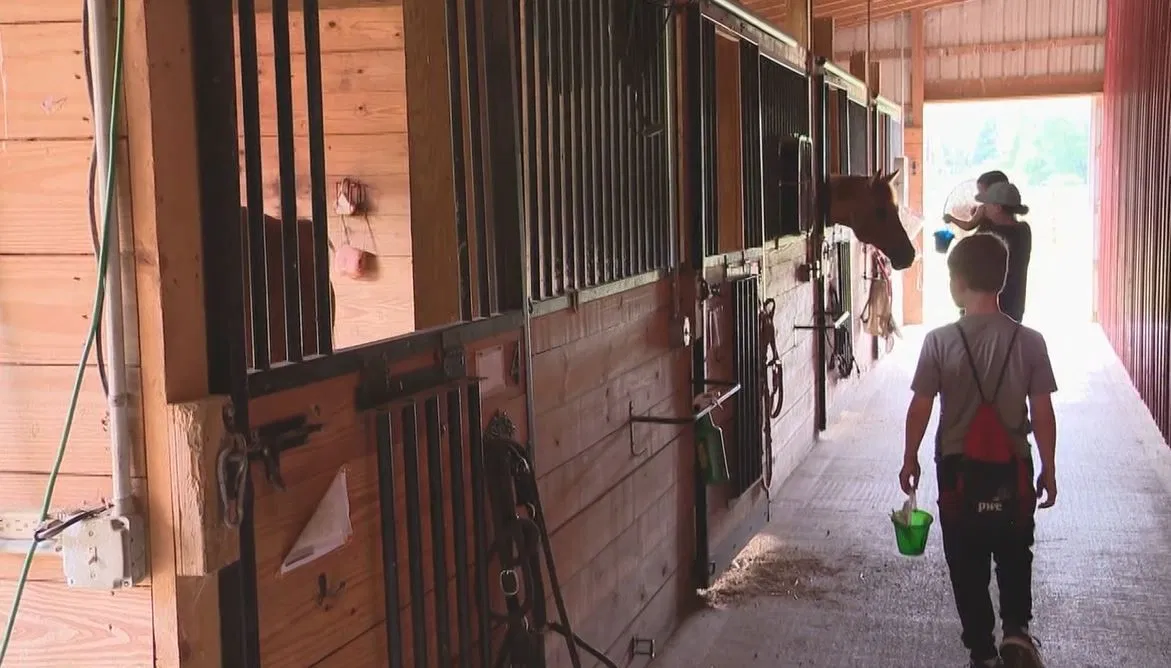
A pilot program in central Ohio is offering new insight into how equine-assisted activities may complement traditional speech and language interventions for children with communication disorders.
According to NBC 4 out of Columbus, OH, the program, hosted at Benson Oaks Farm, brought together licensed speech-language pathologists, graduate students from The Ohio State University’s Department of Speech and Hearing Science, and local school clinicians. Designed as a weeklong camp for children ages five to ten with speech and language challenges, the initiative integrated evidence-based therapeutic strategies with structured activities involving horses.
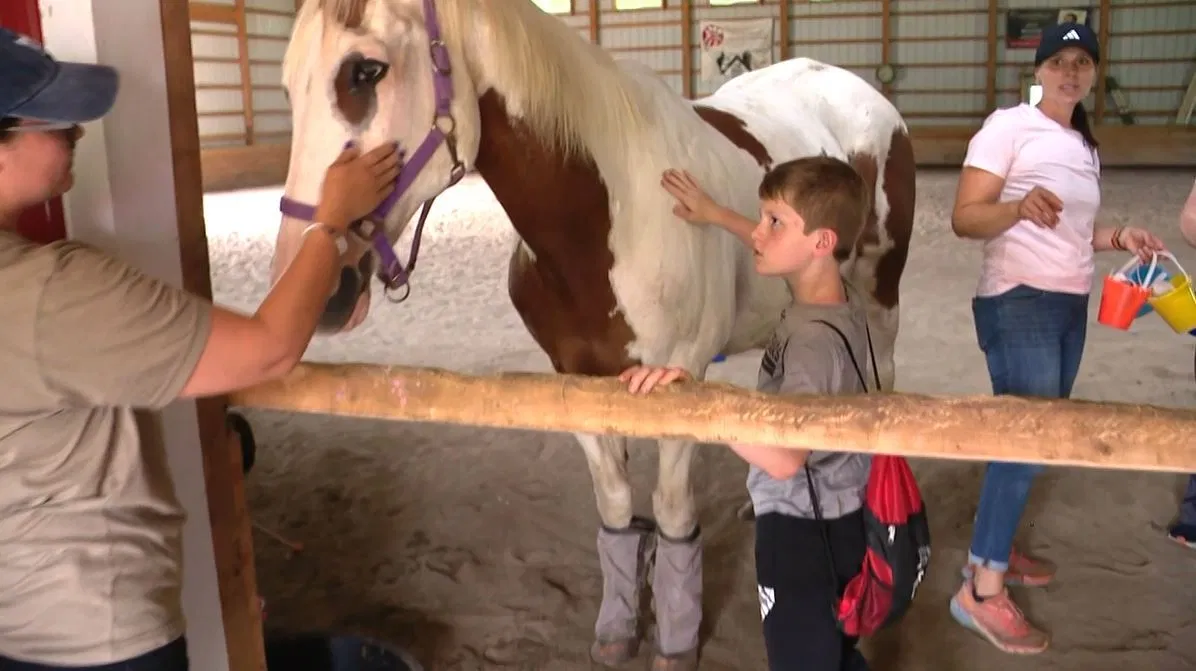
The camp explored whether the sensory, motivational, and emotional benefits of interacting with horses could enhance engagement and accelerate progress in speech therapy. Children participated in activities such as grooming, leading, and playing games with the horses. Speech-language pathologists embedded therapeutic targets into these sessions, from articulation drills to expressive language practice.
For example, when teaching sounds that require the tongue to move to the back of the mouth, clinicians paired movement with horse-related gestures. “If they need to get their tongue back, we can put our hand toward the tail so they see, ‘My tongue goes back, my hand goes back,’” explained speech-language pathologist Christina Mneimne. By combining physical cues with animal interaction, children gained a clearer sense of how to produce difficult sounds.
Clinicians reported striking improvements in just a few days. “Some of the kids barely spoke and would not come near the horse on Monday,” said speech-language pathologist Jackie Soler. “By the end of the week, they were walking the horses, grooming them, and projecting their voices confidently. We observed increased verbal output, louder speech, and a willingness to initiate communication.”
Children with a variety of diagnoses, including motor speech disorders and developmental delays, showed growth not only in speech production but also in self-confidence and social interaction. The tactile stimulation of grooming and the motivation of working with a responsive animal appeared to reduce anxiety, encourage participation, and create a positive feedback loop for learning.
While this was the first camp of its kind in central Ohio, equine-assisted therapies have been studied for decades. Research in hippotherapy — the clinical use of horse movement by licensed therapists — has demonstrated benefits for children with cerebral palsy, autism spectrum disorder, and developmental delays. Studies published in journals such as Developmental Medicine & Child Neurology and The American Journal of Occupational Therapy have found improvements in motor control, balance, and social engagement through equine-based interventions.
Though less common, applications for speech and language disorders are gaining interest. Horses provide a multisensory environment that can help children generalize speech skills beyond a clinical setting. The combination of physical activity, animal interaction, and social engagement creates conditions that align with current evidence on effective speech therapy: high motivation, varied contexts, and consistent reinforcement.
Camp founder and speech-language pathologist Karen Carver highlighted the relational role of the horses. “The horses are highly intuitive, and they seem to connect with the children as individuals. That bond enhances the therapeutic environment and keeps children motivated.”
Parents echoed this sentiment. Dr. Sarah Leopold, a research scientist at Ohio State and mother of a five-year-old camper with a motor speech disorder, observed changes in her son that were not evident in traditional therapy settings. “He resists typical speech therapy, but in this context, he was fully engaged. The biggest change I’ve seen is a boost in his confidence. Being around peers with similar challenges, patient clinicians, and in an outdoor setting made a substantial difference.”
While still in the pilot phase, the program’s success suggests that equine-assisted speech therapy could serve as a valuable complement to conventional interventions. Organizers plan to expand the camp into a year-round clinic at Benson Oaks Farm, offering families an innovative therapy model that blends clinical expertise with equine partnership.
“This program demonstrated that children who are reluctant in conventional therapy environments can thrive when evidence-based techniques are paired with equine-assisted experiences,” Carver said. “The outcomes underscore the potential for this model to complement traditional clinical approaches.”
You can watch a video showing how the kids benefit from this ABC affiliate:
