



Improving Your Riding: More Pressure Is Not Always the Answer
“If something feels wrong, don’t default to more pressure, default to more curiosity. Ask questions. Investigate. Be your horse’s advocate. Even the best rider can’t out-cue pain. But the best horsemen listen, adapt, and partner through it.”
One of the most common mistakes riders make, often with the best intentions, is trying to fix a performance issue with more pressure when the root cause is physical, not behavioral. It’s easy to assume resistance means your horse is being lazy, disrespectful, or just not trying hard enough. But sometimes, no amount of kicking, pulling, or correcting will work, because what you’re dealing with isn’t a training issue. It’s a physical one.
A physical issue is any condition that prevents a horse from comfortably or correctly performing what you’re asking. This can range from obvious lameness to subtle discomforts that affect flexibility, range of motion, stamina, or mental willingness.
Some examples of physical issues that can affect performance can include
- Soreness or lameness in the back, legs, or joints.
- Poor saddle fit causing pinching, pressure points, or restricted movement.
- Dental issues that affect how the horse responds to the bit.
- Muscle asymmetry or lack of development making balanced movement difficult.
- Hoof pain from bruising, abscesses, or incorrect trimming/shoeing.
- Neurological issues affecting coordination or balance.
- Ulcers or gastrointestinal discomfort that shows up as cinchiness, irritability, or girthy behavior.
- Old injuries or arthritis that flare up under certain types of work.
These aren’t things you can correct with stronger cues or more assertive riding. They require awareness, compassion, and often collaboration with a vet, bodyworker, farrier, and/or equine dentist.
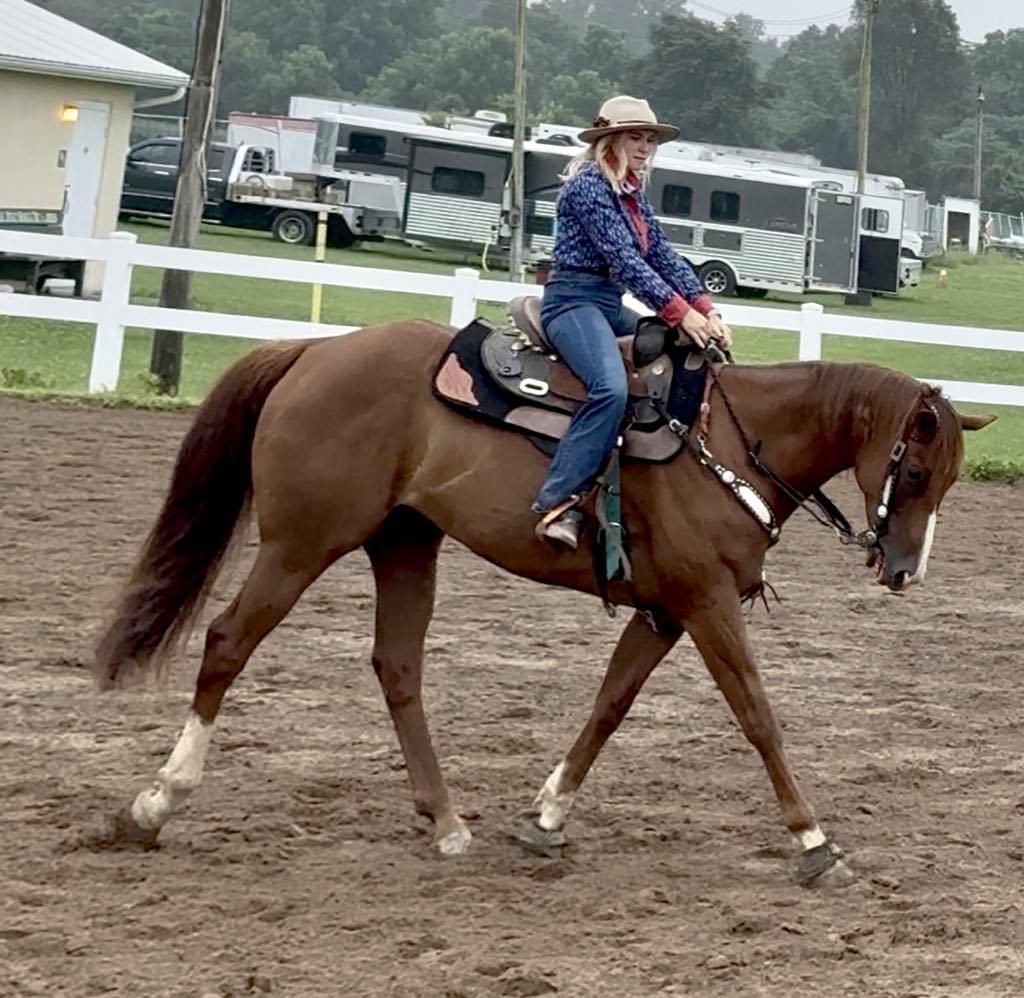
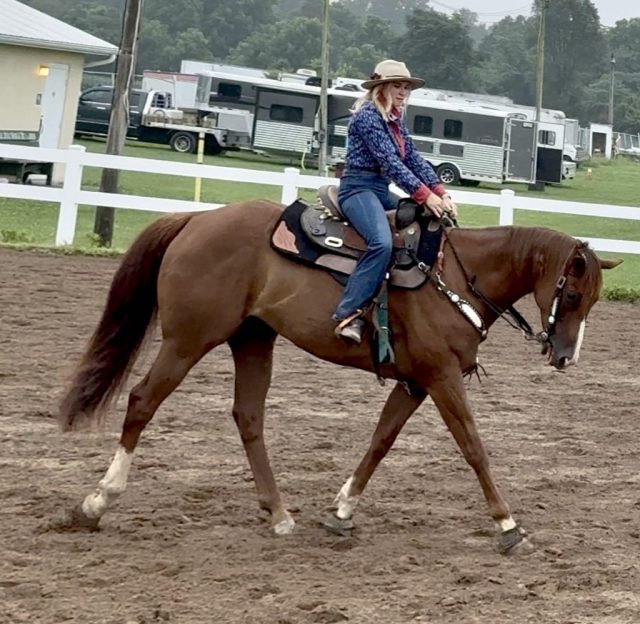
Photo by Kamille Huff
Horses are masters of masking pain, until they can’t. When the pain finally shows up in behavior, it can be mistaken for attitude. If your horse suddenly starts acting off, the first step is to ask, “What changed?”
Here are common red flags that point to a possible physical issue:
- Resistance to work the horse has previously done willingly
- Sudden or escalating behavior problems such as bucking, bolting, refusing jumps, stopping at patterns, etc.
- Difficulty with one lead, one direction, or specific maneuvers
- Pinning ears, tail swishing, or grinding teeth during grooming, saddling, or riding
- Frequent stumbling or loss of balance
- Head tossing, rooting the reins, or overreacting to bit pressure
- Reluctance to be caught or saddled
- Changes in posture, movement, or muscle tone
A horse doesn’t forget how to do something overnight. If they suddenly won’t pick up a lead, won’t stop smoothly, or begin resisting lateral work, your first question should always be, “Could they be in pain?”
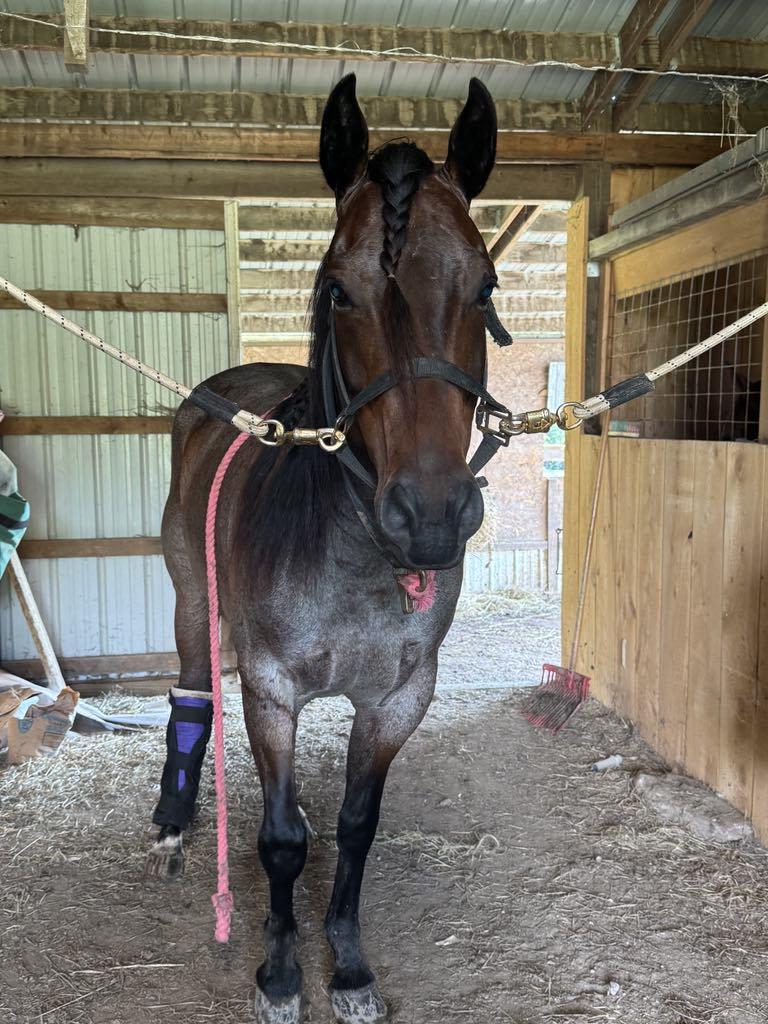
Photo by Marcella Gruchalak
When a horse is hurting, more pressure doesn’t help. The pressure forces them into a deeper state of stress or self-protection. Imagine someone yelling at you to run faster with a sprained ankle. That’s what increasing cues or punishment does when a horse is physically uncomfortable. It doesn’t solve the problem. It teaches the horse that work equals pain, and that you’re not listening. This is how you break trust, end up with learned helplessness, explosive behaviors, or chronic anxiety under saddle.
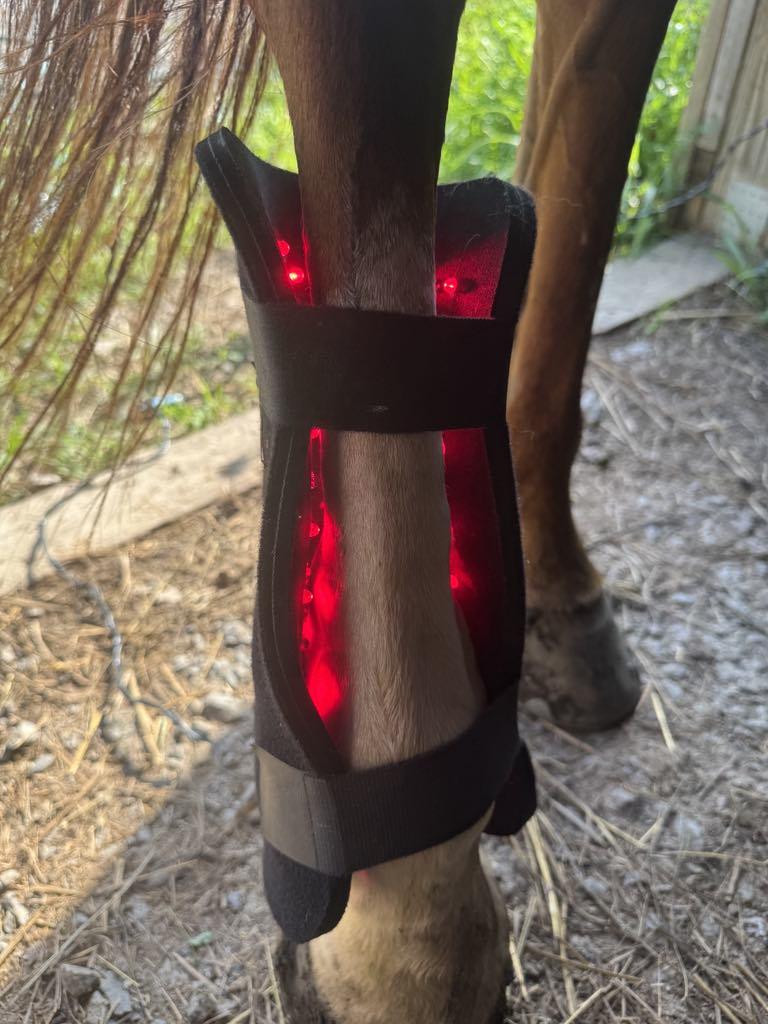
Photo by Marcella Gruchalak
However, most physical issues can be addressed, but it takes time, teamwork, and patience.
Get a professional assessment. If something feels off, bring in your vet or chiropractor. Don’t wait for lameness to get severe. Many issues are easier and cheaper if addressed earlier. A proper exam can reveal subtle misalignments, tightness, or soreness that might be invisible to the untrained eye.
Evaluate your tack and fit. Poor saddle fit is one of the most common culprits of back pain. Even high-end saddles can be problematic if they don’t fit your horse’s shape. Check your bit, bridle, girth, and pads, too. Something as simple as a twisted pad or too-tight noseband can create discomfort.
Address the hooves. We’ve all heard the saying, “No hoof, no horse.” Poor trimming, long toes, or unbalanced hooves can throw off your horse’s entire body. Work closely with a knowledgeable farrier who understands functional anatomy and balance.
Adjust your expectations and workload. If your horse is recovering or rebuilding strength, scale back. Shorten sessions. Focus on groundwork or low-impact exercises. Think of it as physical therapy, not punishment. Let them move correctly and comfortably before you ask for more.
Build strength and flexibility over time. Many physical issues stem from weakness, not injury. Help your horse build strength evenly by incorporating poles, hill work, stretching, and transitions into your program. Allow time for muscles to develop properly. Be okay with going slow.
Listen to your horse’s body language. A tail swish, pinned ear, or blown turn might be small, but it’s communication. The more you learn to recognize discomfort, the faster you’ll prevent it from turning into a serious issue. Your horse wants to do well for you, but not at the cost of their body.
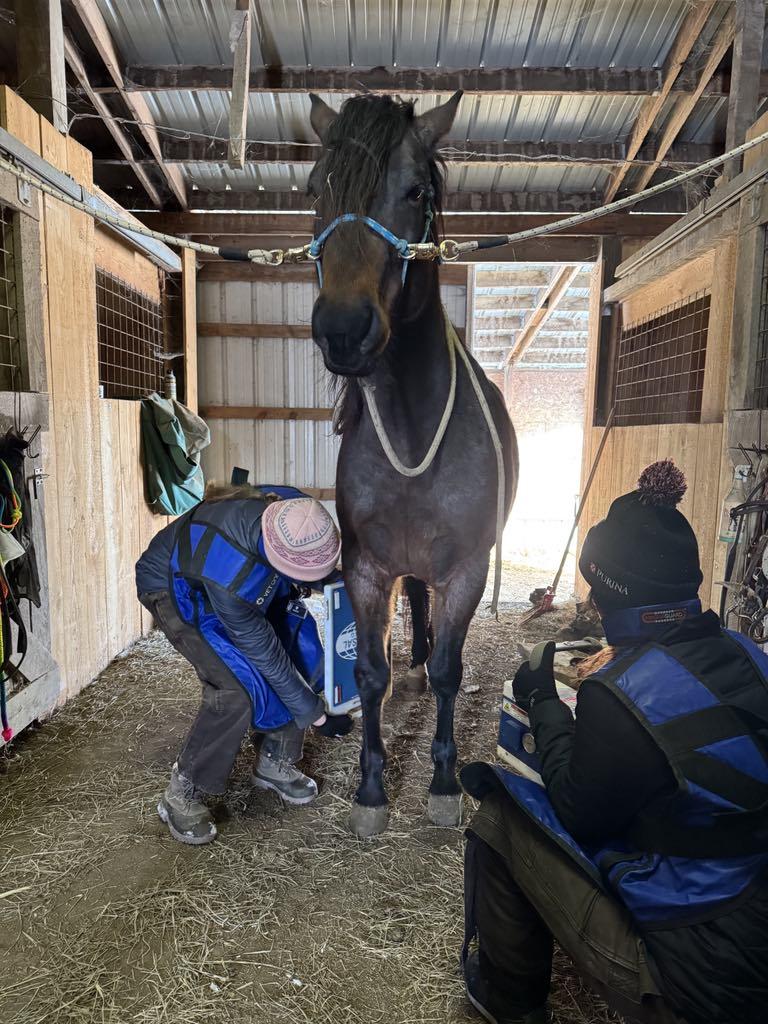
Photo by Marcella Gruchalak
You can’t ride your horse through pain and you shouldn’t want to. Progress comes from a sound, willing, and comfortable horse. If something feels wrong, don’t default to more pressure, default to more curiosity. Ask questions. Investigate. Be your horse’s advocate. Even the best rider can’t out-cue pain. But the best horsemen listen, adapt, and partner through it.
