



Horses of Greece: Hydra Horsepower
I recently had the pleasure of visiting Hydra, Greece, and this little island is like stepping back in time. It’s only about an hour and a half away from Athens by ferry, but it feels like a world of its own. No cars. Instead, you’ll find an island where the primary modes of transportation are horses, mules, and donkeys.
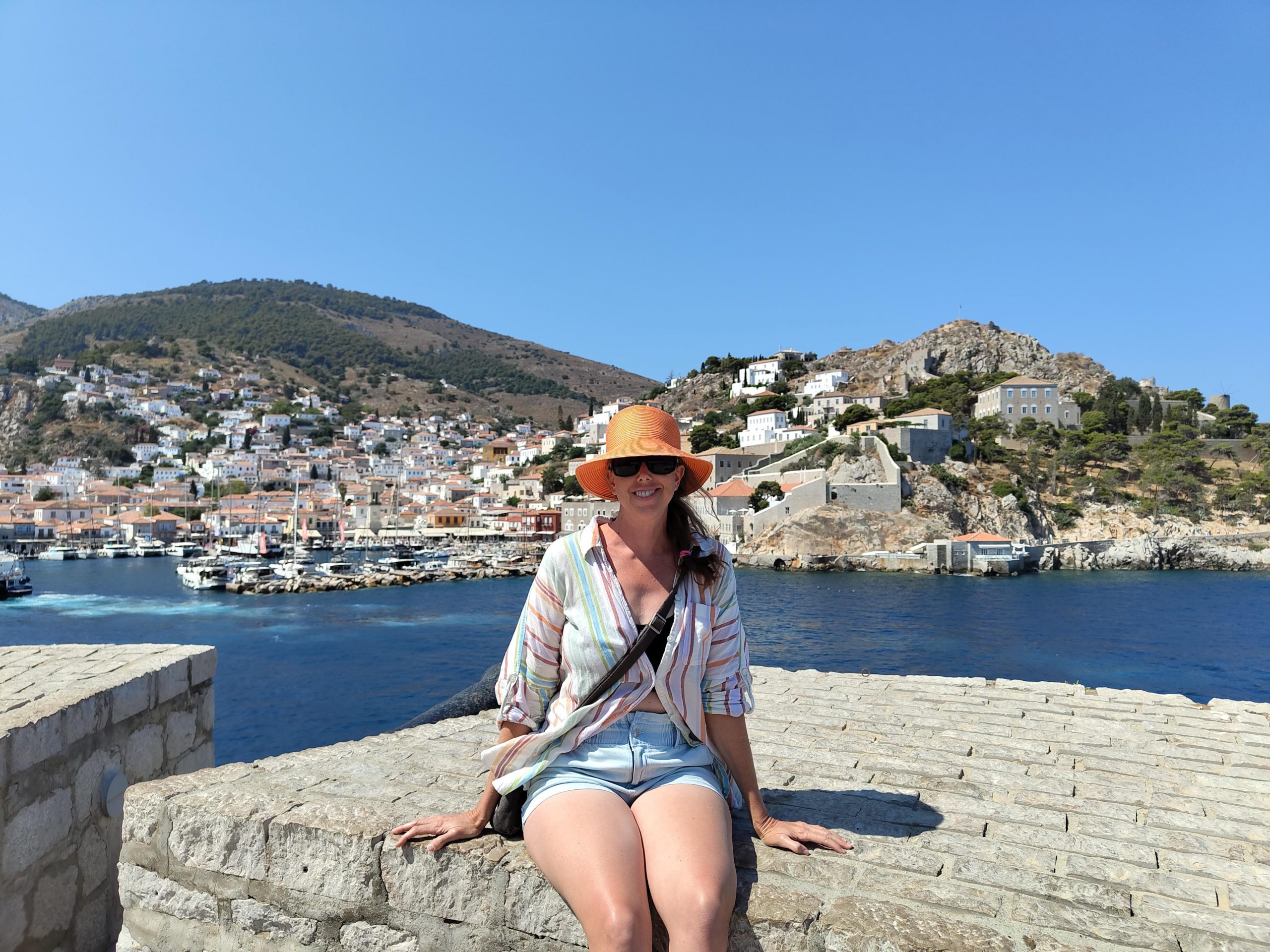
The first thing I noticed as soon as I set foot on the island was how quiet it was. The usual hum of traffic that dominates most cities was completely absent. Instead, I heard the clip-clop of hooves on the cobblestone streets. Hydra has banned cars for decades—since the 1960s, in fact—and this has become a hallmark of the island’s charm. The only vehicles allowed are emergency vehicles, garbage trucks, and small utility carts, mostly used for transporting goods to shops or for construction. Locals rely on horses, mules, and donkeys for everything—from commuting to hauling goods to the market. And, yes, for transporting tourists’ luggage to and from the port.
View this post on Instagram
The Pros of a Car-Free Island
Less Pollution, More Peace: First and foremost, Hydra is incredibly quiet and clean. No car exhaust, no noisy traffic. It’s peaceful in a way that few other places can claim, including other Greek islands. Aegina, for example, had far more traffic than I could stand, and it also had carriage rides for tourists. Working in much worse conditions than you’d find in New York City, I was genuinely concerned about the horses in Aegina.
A Step Back in Time: It feels like you’re living in a different era when you walk the streets here. There’s a certain magic to it. Whether you’re hiking up to the old monastery or wandering through the narrow alleyways of Hydra Town, history feels like it’s right there with you.
The Cons of the System
Animal Welfare Concerns: While it’s lovely to see the animals working in harmony with the island’s rhythm, there’s also some controversy surrounding their treatment. Many of the donkeys and mules work long hours, carrying heavy loads up and down steep hills. Animal rights groups have raised concerns about whether the animals are getting enough rest, proper care, or food.
Equid Exhaust Fumes: The smell of manure is noticeable, despite the fact that it’s cleaned up almost immediately.
What I Saw
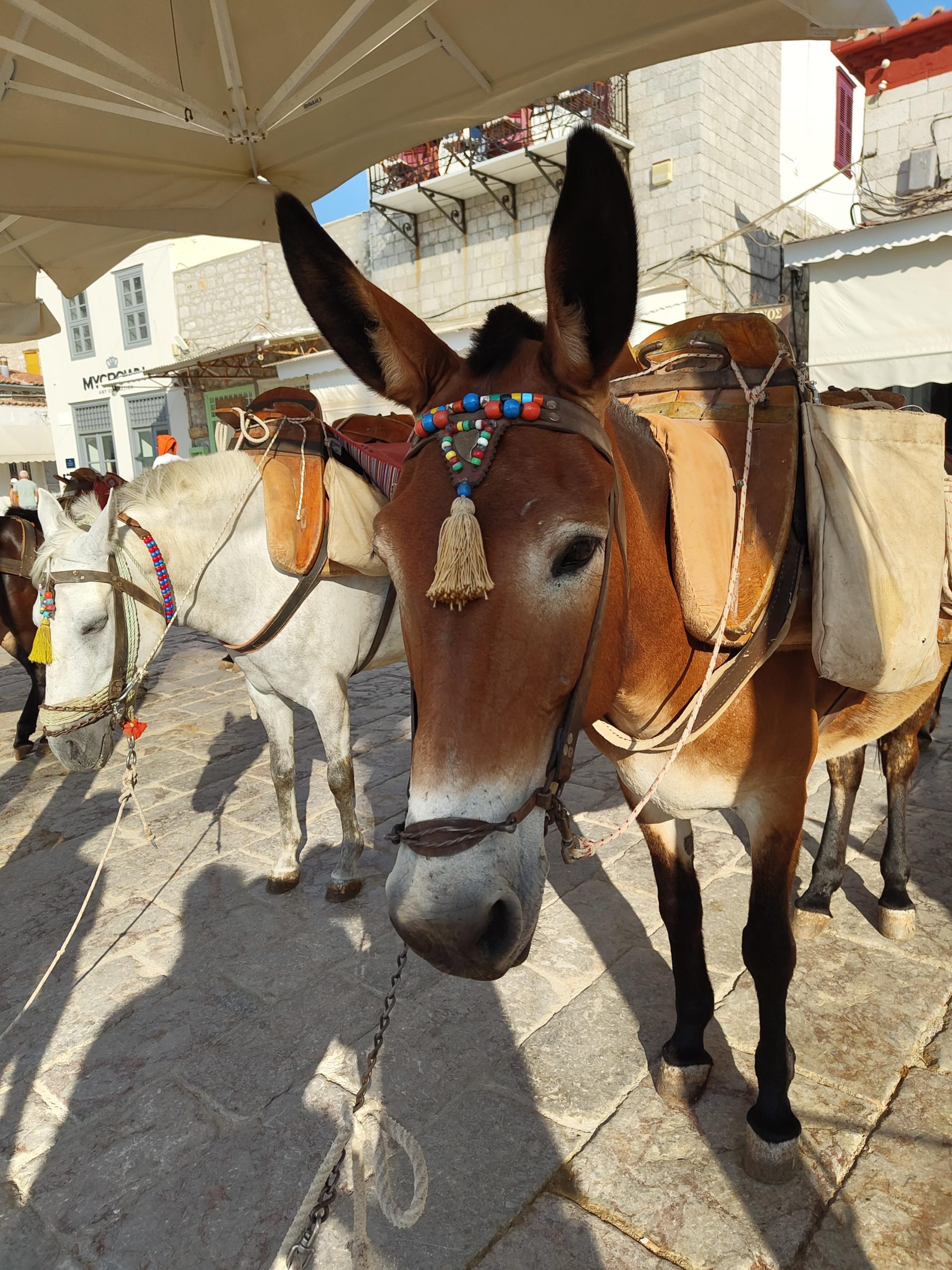
Opinions on working animals vary, and what I can offer is simply my own experience. When we arrived in Hydra, I saw about a dozen donkeys, mules, and small horses tied under a large shaded canopy. They all appeared healthy—fit, plump, and with well-maintained hooves, most of which were barefoot. I never saw them eat or drink, though I assumed they must have been during their “runs” up and down the narrow, cobbled streets. And while critics note long hours working in the heat, I can tell you Greece is extremely temperate and dry. I never broke a sweat on the island, despite locals telling me it was particularly humid that day. It also almost completely lacks flies, mosquitoes, and gnats.
The only moment that gave me pause was when I saw a little grey pony hauling goods from a local store. On one trip, she was loaded down with two cases of water bottles and other items. She seemed a bit tired, and her handler, while not overtly cruel, was certainly rougher than seemed necessary. To be honest, I didn’t like the look of her left front knee either and I questioned her being the only horse working. Mules and donkeys are known for their surefootedness, horses not so much.
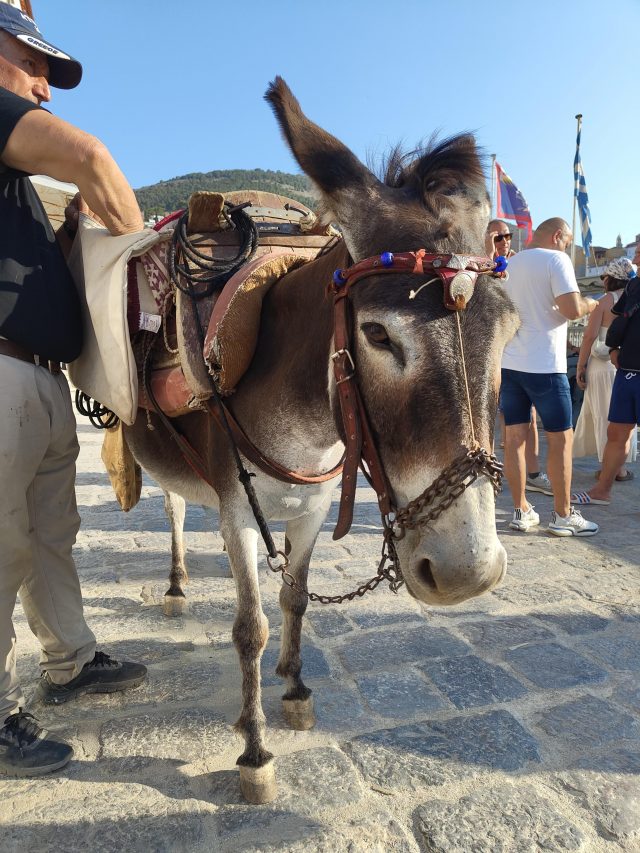
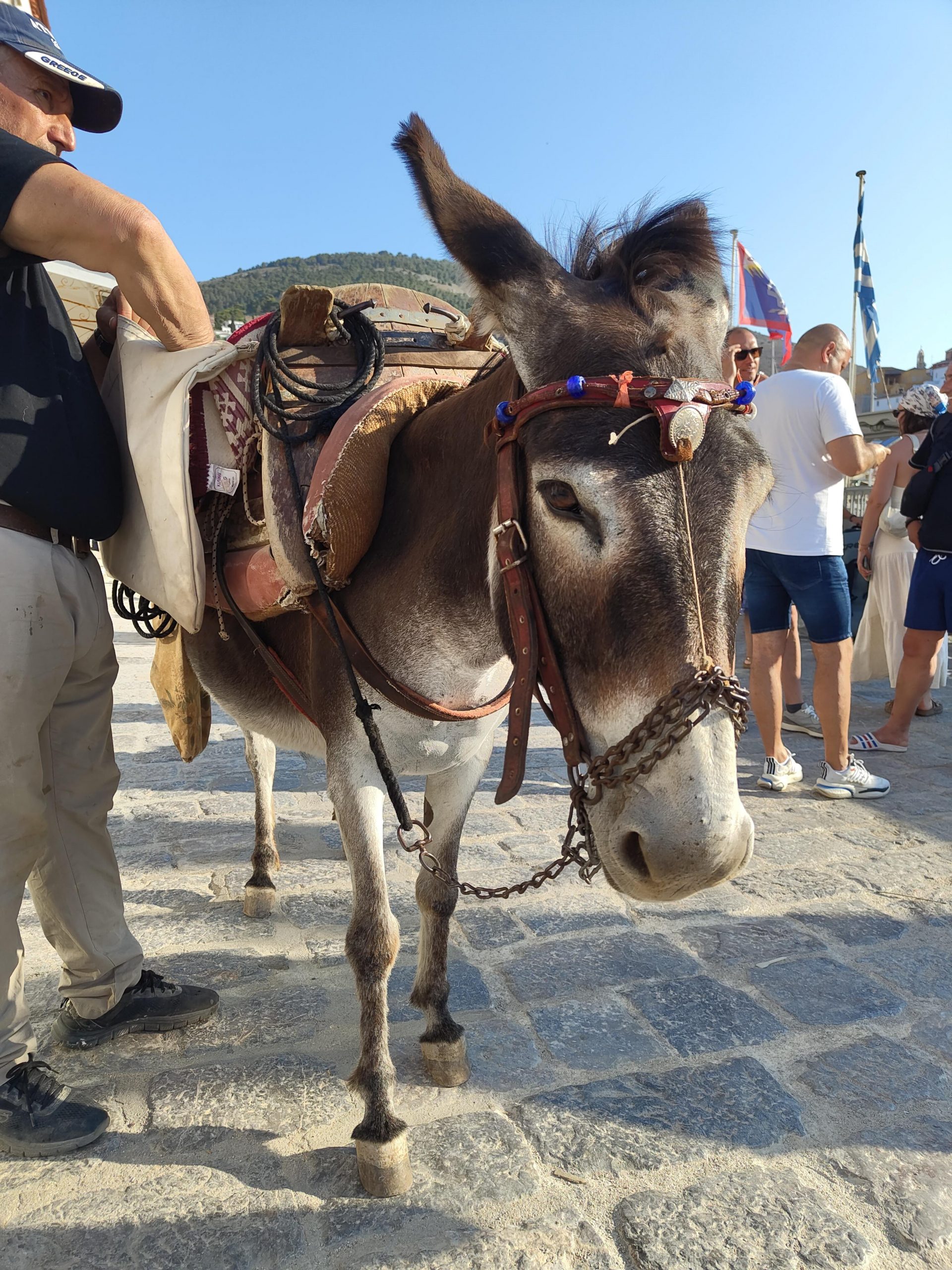
But then, just before I boarded my return ferry to Athens, I encountered a kind man and his donkey, Penelope. He was softly talking to her, gently rubbing her face and ears. When I asked what he was saying, he smiled and said, “I’m telling my ‘Penne’ that the long day is almost over. Soon, we’ll go home.”
It was clear he had a deep affection for her.
I suppose the horses, mules, and donkeys of Hydra are much like those anywhere else: some have owners that are gentle, some less so; some owners have hands that are soft, others more forceful. What’s right and wrong is not for me to decide after a single eight hour visit to the island, but I do hope they all at least get a few scratches and a well earned rest after the day’s work is done.
Go riding.
Amanda Uechi Ronan is an author, equestrian, and wannabe race car driver. Follow her on Instagram @au_ronan.
