



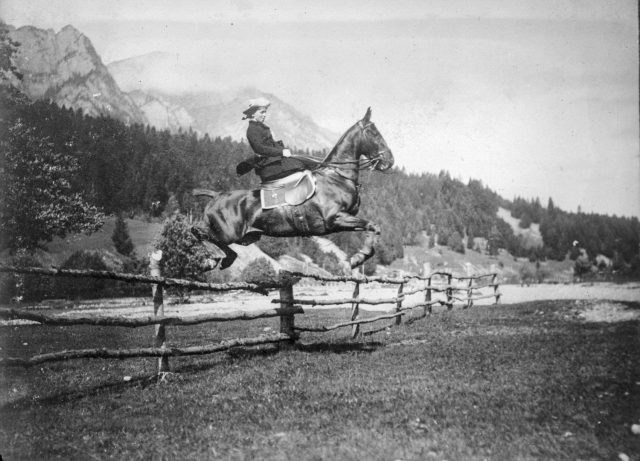
The Soldier Queen: Marie of Romania
Declared to be the “only man in Romania” at the 1917 Paris Peace Conference, Queen Marie defied expectations, becoming the first woman to be named Commander of a Romanian military cavalry regiment.
Pet Sense by Iulia
Marie was born into the British royal family Princess Marie Alexandra Victoria of Edinburgh in 1875. Her early years were spent in Kent, Malta and Coburg. In her memoirs, she described her time in Malta as “the happiest memory of my existence.”
Pakula, in the book The Last Romantic, wrote that it wasn’t unusal for Victorian princesses to show competence in equestrianism, but Marie stood out for her unique, let’s say, style.
Later in life, she was quoted as saying, “Our ideas about riding were anything but civilized. We were entirely fearless and our chief pace was a full gallop.”
The future queen tore down the stone-walled roads of Malta on the Arabians prevelant to the island with officers from her father’s fleet in quick pursuit. Pakula noted, “It was her first lesson toward becoming one of the most accomplished horse-women of her day.”
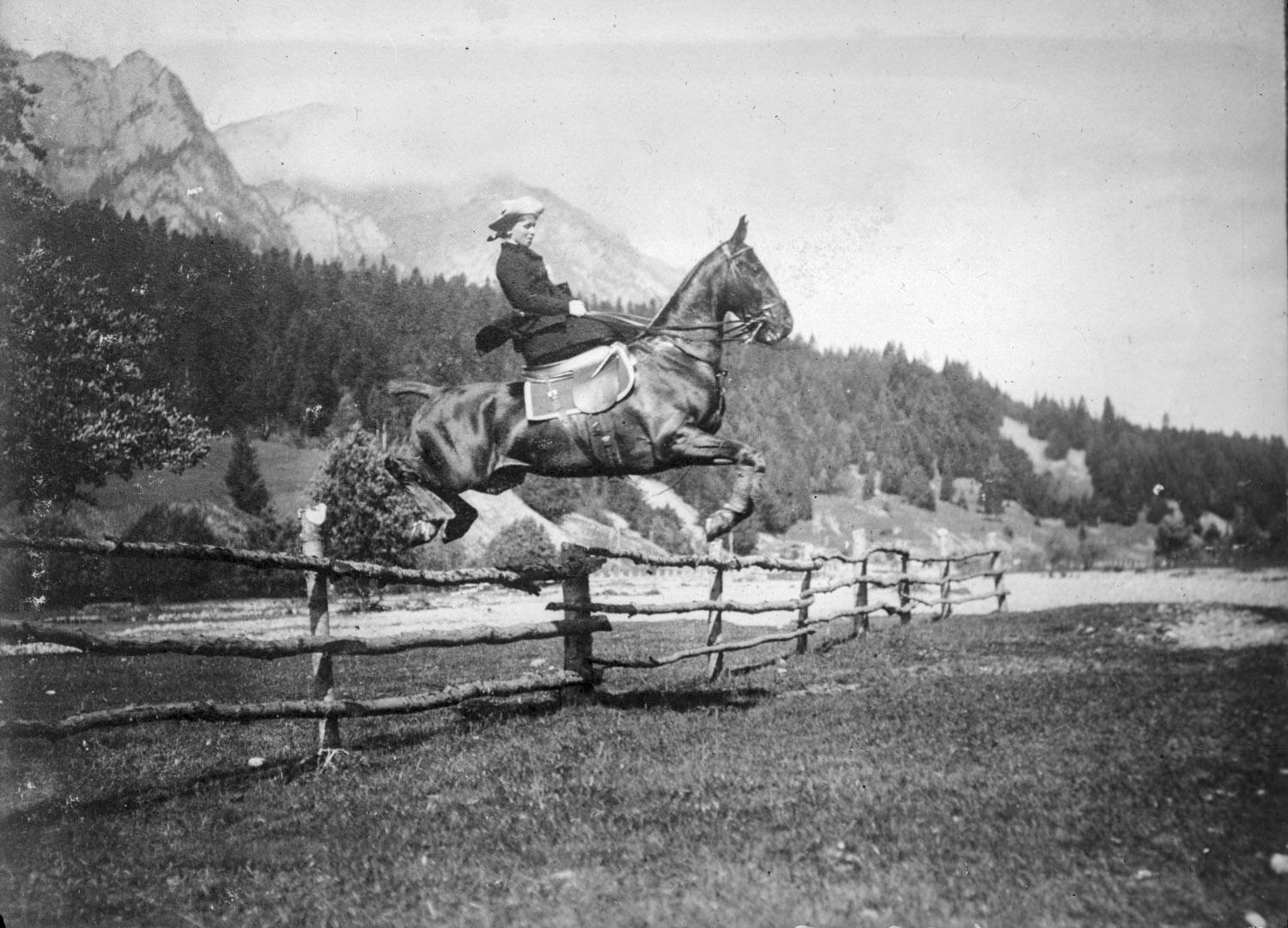
Princess Marie of Romania, 1905, IMGUR.
In 1893, Marie married Crown Prince Ferdinand of Romania. The couple’s relationship started out rocky, but grew into at least a cordial friendship, though the same couldn’t be said of her aunt-in-law, Queen Elisabeth. Elisabeth staffed her niece and nephew’s castle with servants of her choosing, forcing Marie to escape her own home.
Marie would describe those early years of marriage only very briefly. “Riding played an enormous part in my life; to some this may appear trivial, but I had an instinctive sense of self-preservation.”
Wearing dark blue and scarlet riding habits, she ignored old wives tales about ruining her ability to “continue the dynasty” and rode astride alone through the mountains of Sinaia.
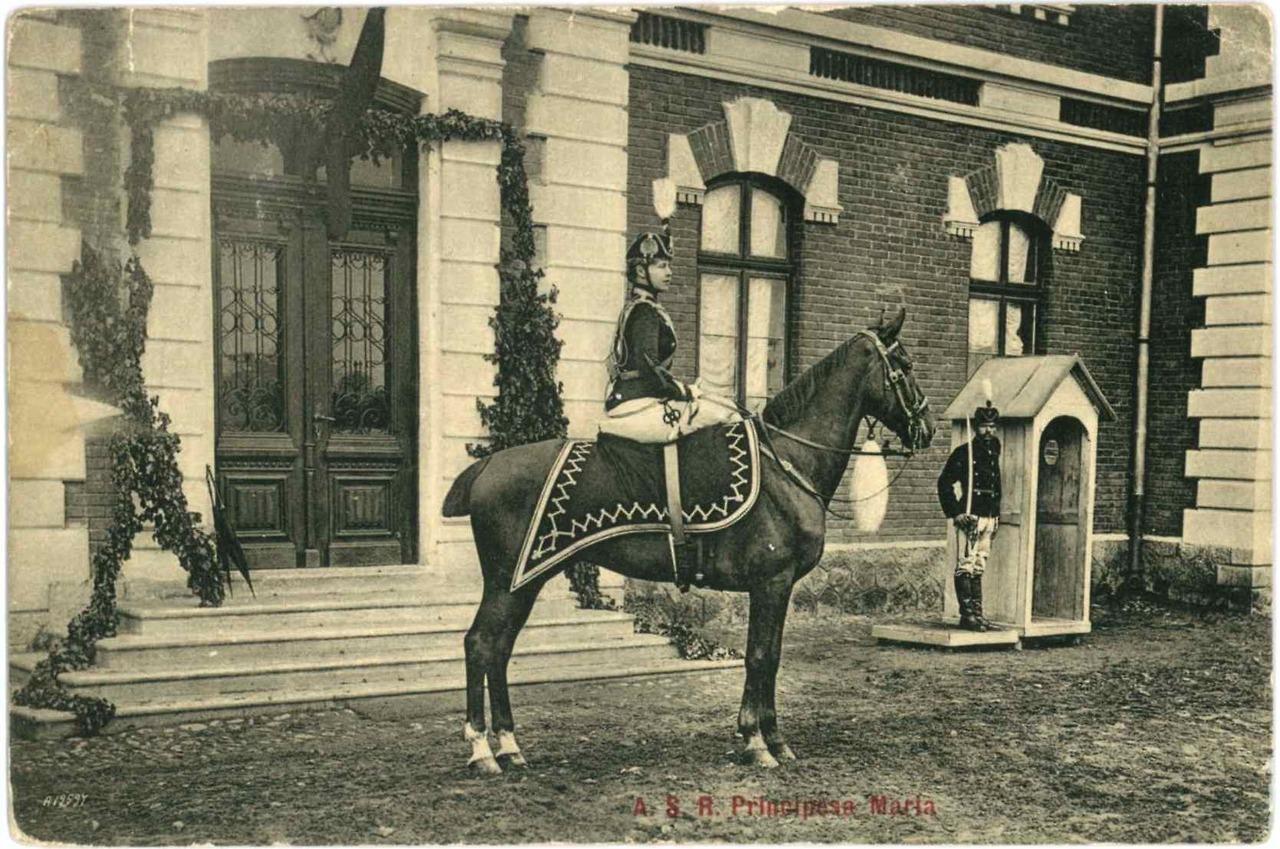
King Carol, unlike his wife, seemed to admire Marie’s riding skills when he appointed her Honorary Chief of the Fourth Rosiori cavalry. In Bucharest, she trained daily.
“My soldiers were always on the lookout for me and each time I galloped past them I was greeted with lusty cheers,” she stated.
She was awarded the French “La Croix de Guerre” and used her own financial resources to care for wounded soldiers as well as caring for men herself as a member of the Red Cross. These acts granted her the title “Mother of the Wounded.”
Peles Castle, IMGUR.
Where Marie thrived, her husband… did not. Ferdinand was especially weak at, well, most life skills, but especially horsemanship, once even falling from his horse during a basic trot maneuver in the middle of a military parade. Rather than continue to be a PR disaster for the crown, Ferdinand left the military training to Marie and used his time at home to… meet new people.
Marie didn’t seem to mind her husband’s extramarital activities. She was quite popular, thriving in her own equestrian circles, meeting her own… new people. One such beau, was Lieutenant Gheorghe Cantacuzène, an illegitmate descendent of a Romania prince, that was noted for being “not very good looking, [but] stood out using his sense of humour and fashion, as well as his talent in horse-riding.”
At another notable event, she beguiled Prince Wittgenstein, an officer in the Cossacks of the Imperial Guard. The Prince owned a fierce, untrained, skittish horse that he dared Marie to ride.
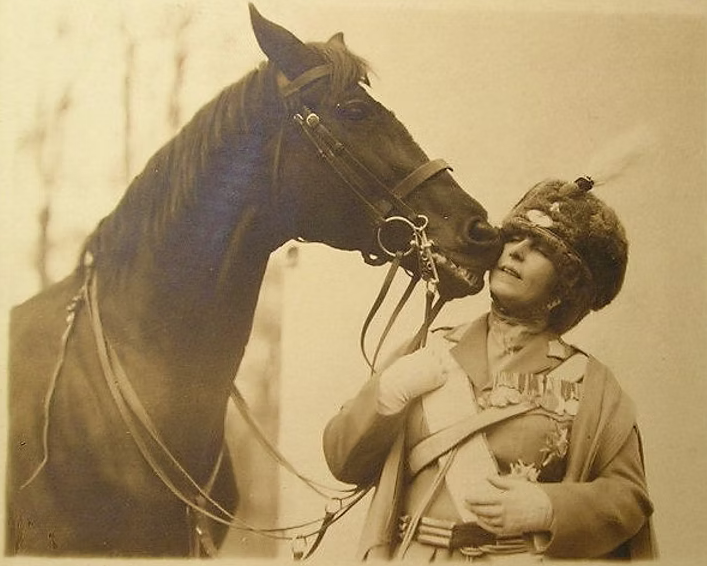
“That ride remains one of the most glorious memories of my youth…” she later wrote. “The moment I was on his back that untamed horse and I understood each other absolutely and I was ready to accept any wager. I was given a few hundred yards’ start and then off flew all the other riders in wild pursuit. What a race that was! Having reached the point set as our goal, I remember turning my horse to face the onrush of my pursuers who came pounding up the small hillock on which I stood awaiting them. Cheers and exclamations! I had won my bet and bending down I threw my arms round my horse’s neck and kissed him in exultant gratitude.”
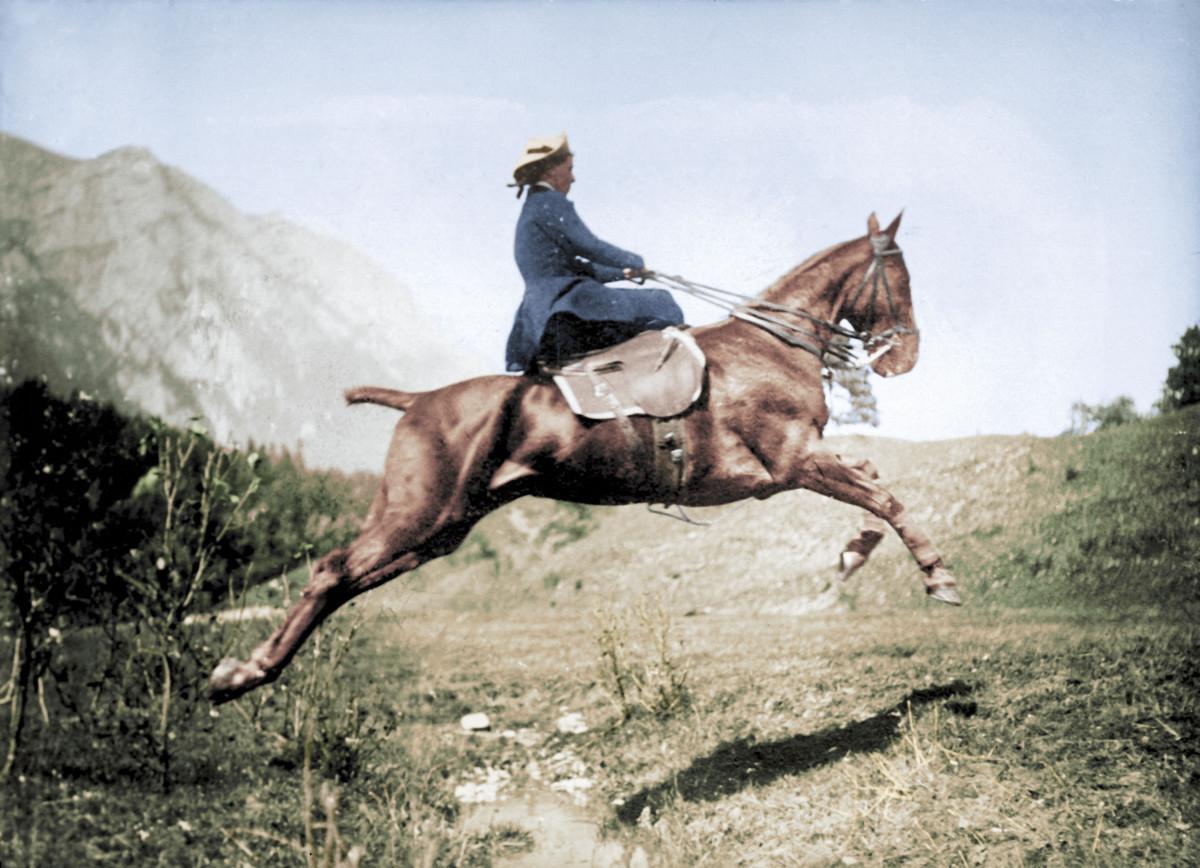
SMARK.ro
She suffered her fair share of bumps and bruises, once remarking, “…when one rides a lot one must take the chances of an accident or two, because after all a horse is never an armchair.”
That ethos would serve her well in all spheres of life as she ascended to the role of Queen.
As a queen, Marie played a decisive role in Romania’s entry into the First World War, convincing her husband to turn his back on his home country of Germany. She went alone and uninvited to the Paris Peace Conference in order to force the US, France, and other Allied Powers to accept the unification of the Romanian provinces in return for joining them in the war. After this strategic move, the French press declared, “There is only one man in Romania, and that’s the Queen,” making her an international political figure to be reckoned with.
While she succeeded in her career, though, internal family drama continued to drag her and the Romanian royal family down. Many of her children were plagued with “bad character,” tumultuous marriages, and openly refused their mother’s counsel. The Crown Prince Carol at one point, mid tantrum, tried to purposefully injure himself by throwing himself from his horse during a parade. Still, he was male, so he eventually did become the King.
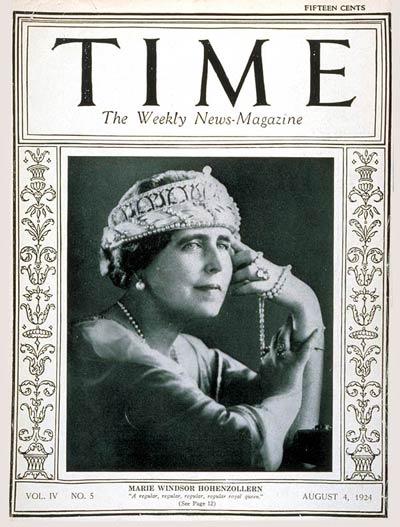
TIME Magazine, Wikimedia Commons.
Irritated by reality, and usurped by her son, Marie turned to writing fiction.
In 1924, Time magazine wrote a story on the Queen featuring her new book, The Voice on the Mountains. The story’s young female protagonist rode a fiery chestnut horse… hopefully a mare… wielded a star-tipped spear, and drew mysterious powers of healing and prophecy from a stricken warrior… hopefully that looked like a Hemsworth.
In 1934, after many years of avoiding public duties, dressed in a red tunic and her old hussar’s helmet, Marie created one final public spectacle. She paraded down the Calea Victoriei while Romanians cheered with thunderous applause. It was a stark contrast to the “polite” reception given to her son.
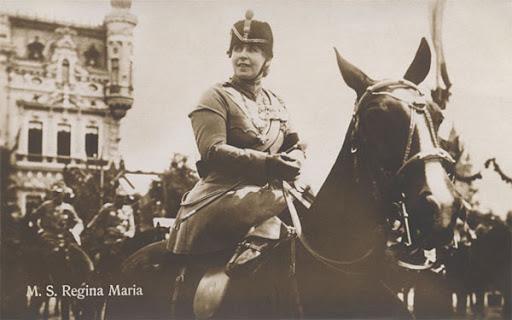
Wikimedia Commons
Whether this public humiliation directly led to King Carol aligning Romania with the Russians against his mother’s wishes is lost to history, but in 1936, she wrote, “It is a good show, with a lot of bluff in it. Carol thrones on a huge white horse with the attitude of Kaiser Bill–he is surrounded by brilliant uniforms & busy sycophants…he is dancing on a volcano!”
The volcano in question was communism.
Shunned by her son, she retreated to Bran Castle and began living a quiet life of palace restoration, writing, and riding. She noted her daily horseback rides were her “best antidote to depression.”
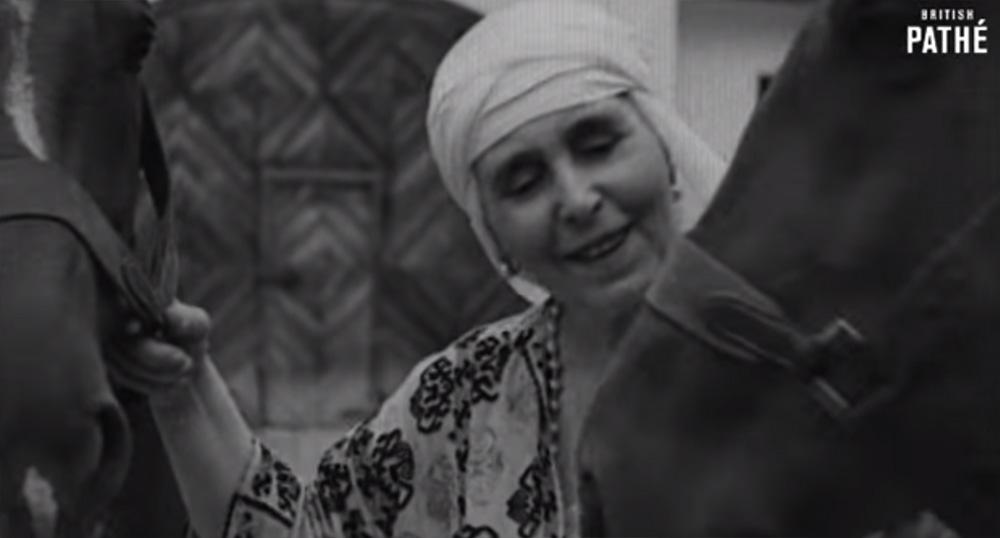
Birtish Pathe
Marie died on July 18, 1938. Her legacy was marred by lies and conspiracies during Romania’s subsequent 42 years trapped under communist rule. She was charged with promiscuity, being an English spy, a traitor, and a drunk. Her castles, monuments, and remains were victims of multiple incidents of vandalism. It wasn’t until 1989, after the Romanian Revolution and the fall of communism, that Marie’s merits and contributions to the country resurfaced.
Today she is celebrated throughout Romania as The Soldier Queen.
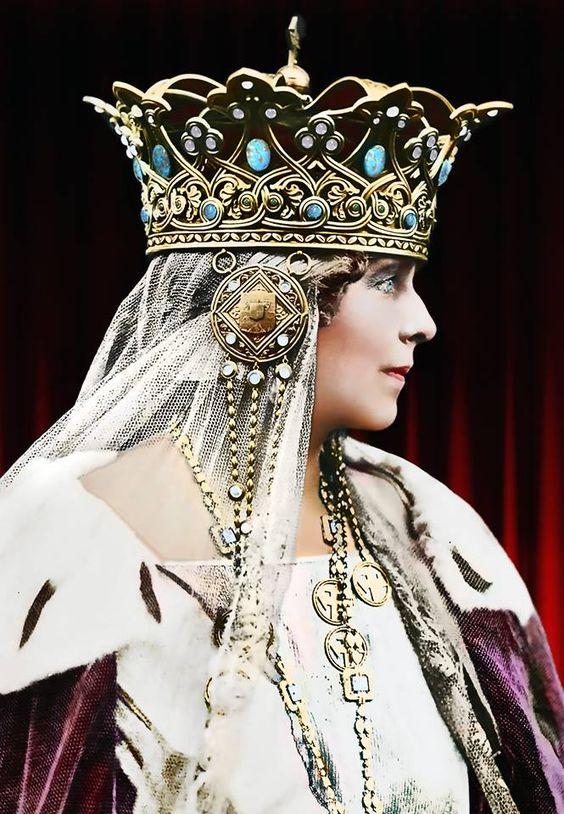
https://reginamaria.org/
Go riding.
Amanda Uechi Ronan is an author, equestrian and wannabe race car driver. She recently visited Romania and Queen Marie’s final home, Bran Castle. Follow her on Instagram @au_ronan.
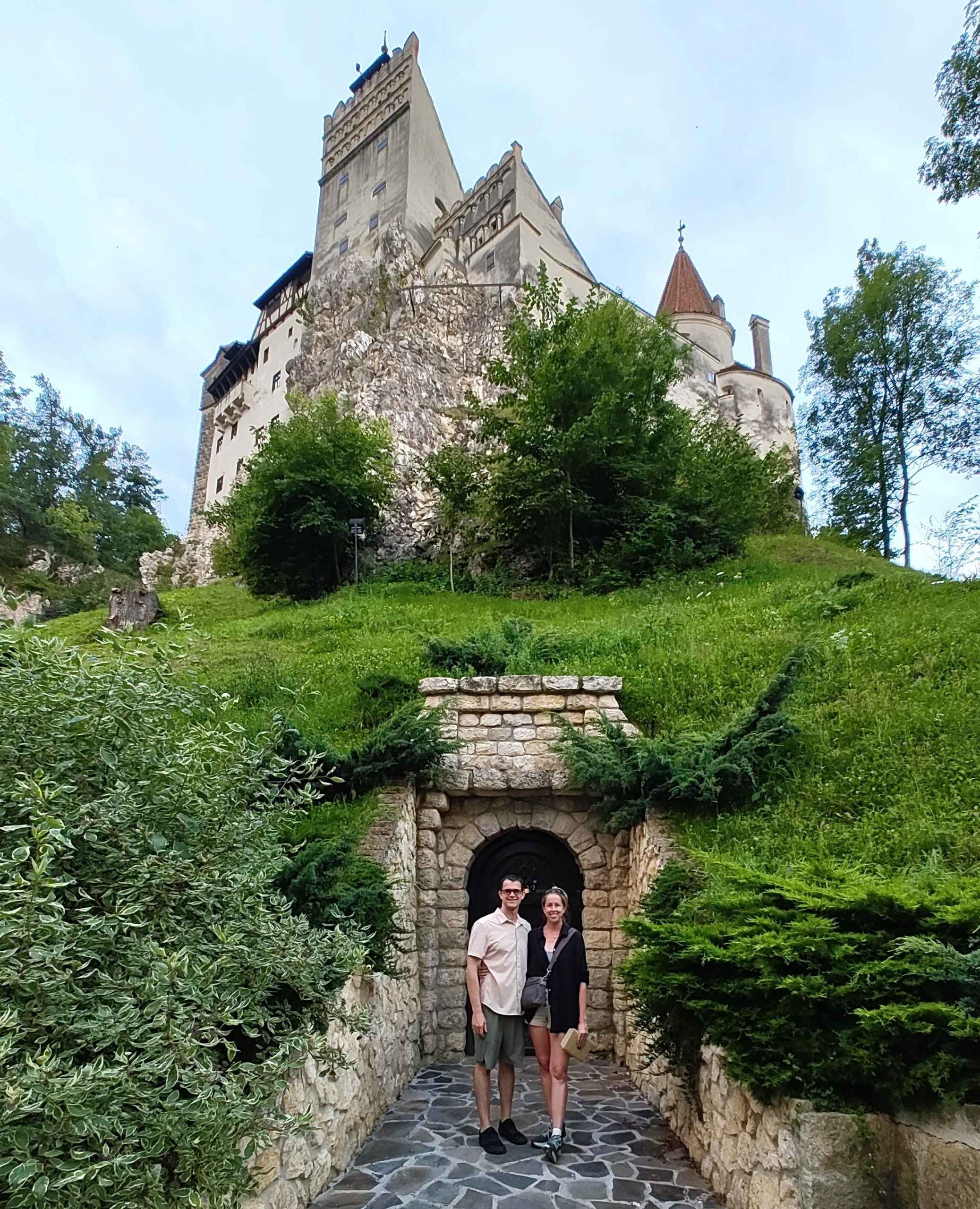
Bran Castle, 2025. Photo by Eduardo Martinez
